The Real Cost of Hiking the Haute Route
Budget, mid-range, or comfort — compare real Haute Route costs for accommodation, food, transport, and self-guided tour packages for the 2026 season.
Don't want to read all this?
We've planned 2,000+ hiking trips. Send your dates, fitness and group size — we'll map the route and book every night.



The Walker's Haute Route runs from Chamonix (France) to Zermatt (Switzerland), with roughly 90% of the trail in Switzerland — one of the most expensive countries in Europe for food, accommodation, and transport. That context matters before any numbers.
But cost varies dramatically depending on three decisions:
Accommodation style — camping, mountain hut dormitories, or valley hotels
Self-organized vs. self-guided tour — DIY logistics or everything pre-arranged
Route version — full 14-day traverse, or the 7-day West or East half
All prices below reflect the upcoming hiking season. Hut rates, transport costs, and tour pricing are subject to change depending on season, exchange rates, and availability. Treat these as realistic planning benchmarks, not guarantees.
DIY Budget Breakdown
If you are organizing everything yourself — booking each hut individually, arranging your own transport, and carrying your own bags — here is what to expect across three spending levels.
At a Glance
Budget (Camping) | Mid-Range (Huts) | Comfort (Hotels) | |
Daily cost (per person) | 30–50 CHF | 80–120 CHF | 150–250 CHF |
13-day total | 400–650 CHF | 1,000–1,600 CHF | 2,000–3,250 CHF |
Accommodation | Campgrounds + mandatory hut nights | Hut dormitories + valley hotels | Hotels where available + huts where not |
Meals | Self-catered | Half-board at huts, self-catered lunch | Restaurants throughout |
Pack weight | 12–15 kg | 8–10 kg | 8–10 kg |
Booking complexity | Moderate | High (13+ individual bookings) | High |
Best for | Experienced budget hikers | Most independent hikers | Comfort-focused travelers |
Important: none of the above includes flights to Geneva, Geneva–Chamonix transfer, Zermatt–Geneva return train, or mid-route cable cars and PostBus rides.
Budget: Camping and Self-Catering*
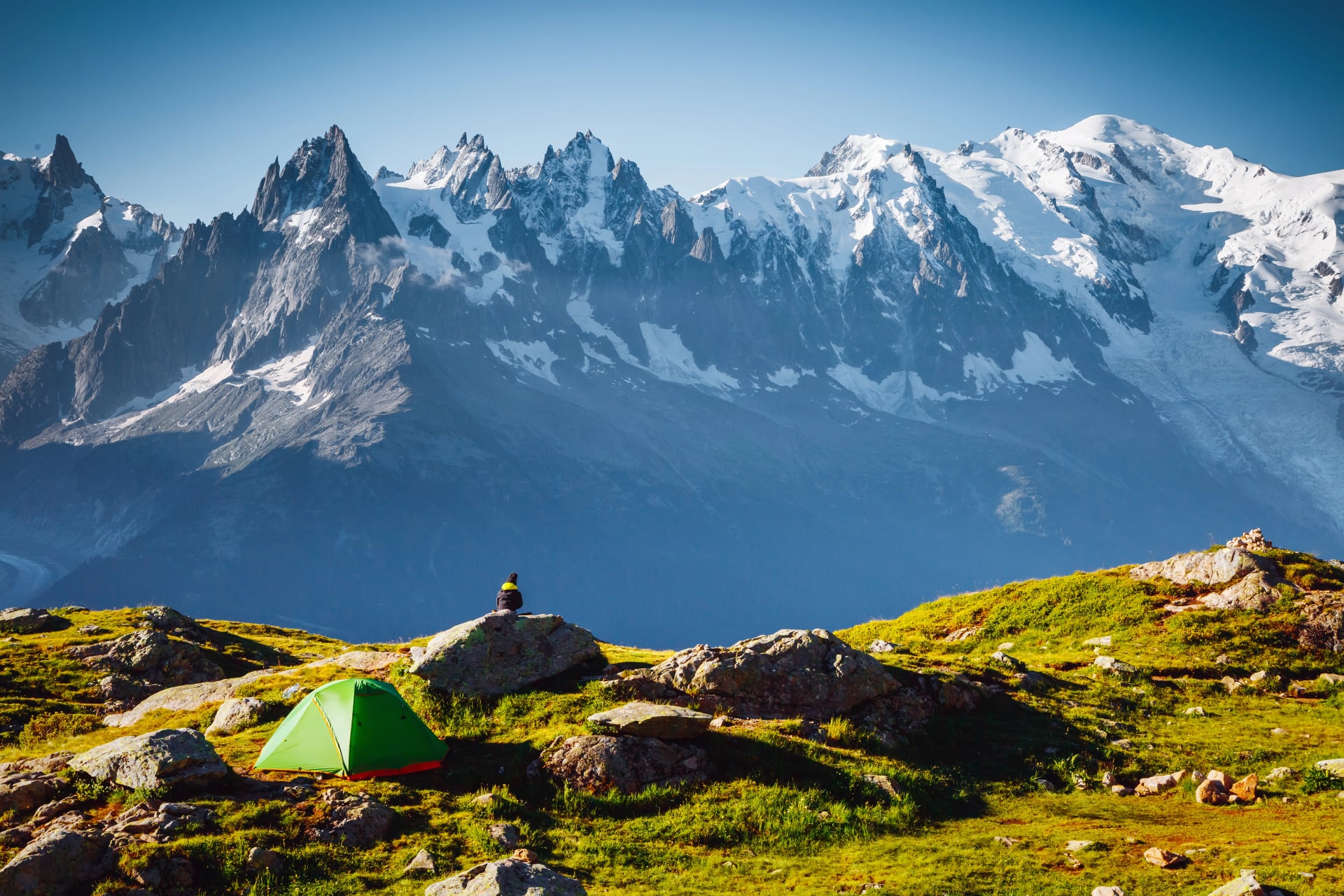
The most affordable way to hike the Haute Route. You carry tent, stove, and food, camping at official campgrounds in Chamonix, Argentière, Champex, Arolla, Zinal, and Zermatt. Some stages require a hut night where no campground exists.
Daily cost: ~30–50 CHF per person
13-day total: ~400–650 CHF per person
Trade-offs: heavier pack (12–15 kg), limited flexibility, some hut nights unavoidable
For a thorough first-hand breakdown of what this looks like in practice, TMBtent published a detailed budget breakdown based on their own camping traverse.
*Note: we do not offer camping as part of our tours. Our offering is built around huts, hotels and mountain hotels and does not include camping at any stage of the route.
Mid-Range: Huts and Half-Board
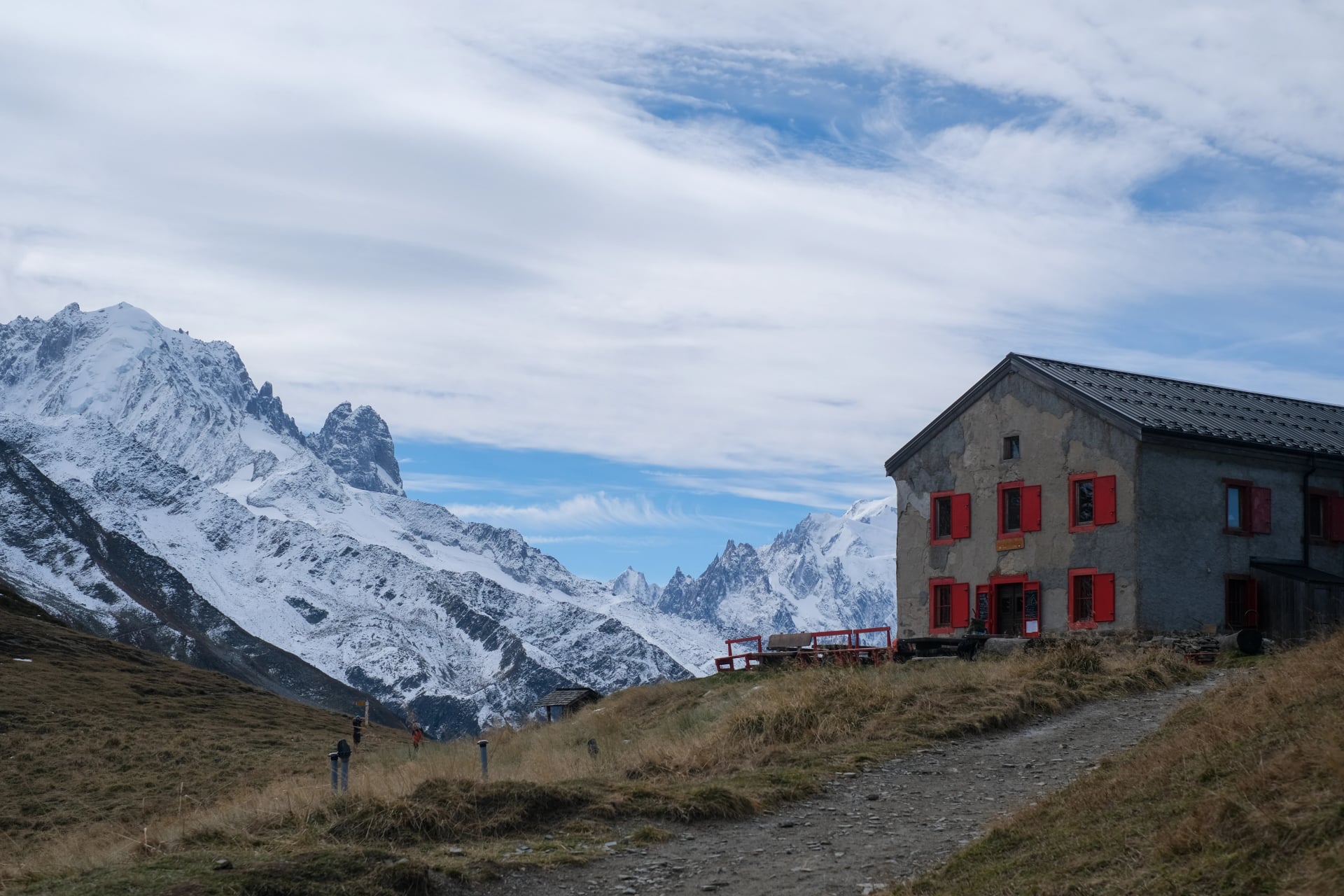
The most common DIY approach. You sleep in mountain hut dormitories with dinner and breakfast included (half-board), supplemented by valley hotels where available. Lunch is self-catered from village supermarkets or bought at huts along the way.
Daily cost: ~80–120 CHF per person
Not sure what hut life actually involves? Our guide to huts on the Haute Route covers the communal dormitories, cash-only payments, and what meals look like.
13-day total: ~1,000–1,600 CHF per person
Trade-offs: dormitory beds are shared (earplugs essential in August), booking each hut individually takes time and often requires phone calls in French or German
The Hiking Club published a full accommodation cost analysis with current hut and hotel rates broken down by stage.
Comfort: Hotels and Restaurants
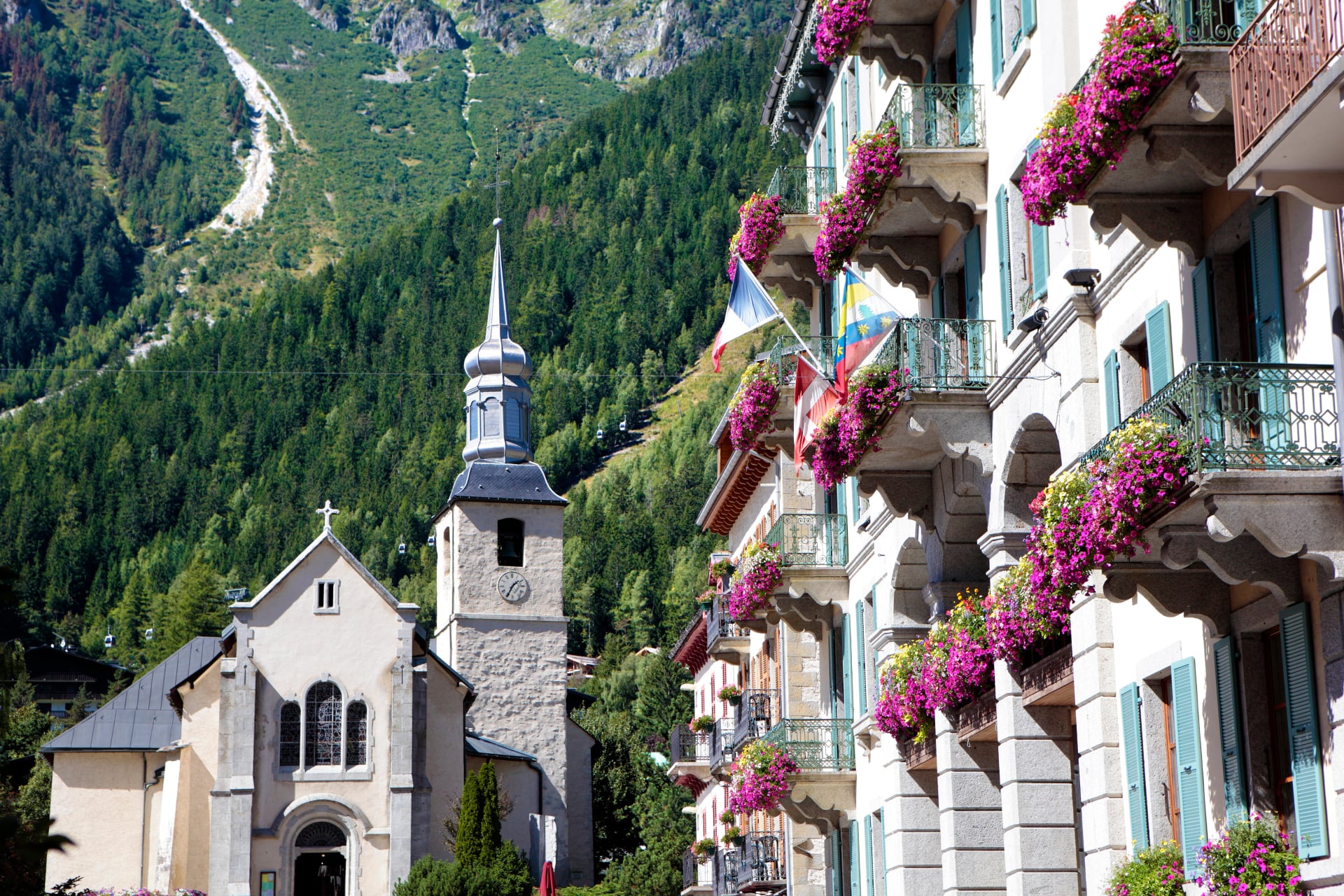
Private rooms in valley towns wherever available, huts only on stages where no hotel exists. Restaurant meals throughout. The most comfortable option but the priciest.
Daily cost: ~150–250 CHF per person (based on double occupancy)
13-day total: ~2,000–3,250 CHF per person
Trade-offs: not all stages have hotel options — several hut nights are unavoidable regardless of budget
What Our Self-Guided Tour Costs — And What You Get
DIY works, but it means booking 13+ accommodations individually — many requiring phone calls in French or German — managing hut availability on bottleneck stages like Cabane du Mont Fort and Europahütte (both fill months ahead), arranging transport, and navigating without on-trip support.
A self-guided tour handles all of that. You walk independently — no guide, no group, your own pace — but every logistical element is pre-arranged before you arrive.
The complete traverse beneath Mont Blanc, Grand Combin, and the Matterhorn
All accommodation, GPS routes, luggage transfer, and 24/7 on-trip support included
For a full route breakdown, see our Haute Route guide
The technically harder half (4/5) — includes the French stages, Lac Blanc, and the climb above Verbier
Features the iconic Pas de Chèvres ladder descent to Arolla
Entirely Swiss, with three hut nights (which account for the slightly higher price versus the West)
The Moiry Glacier, the Europaweg, and the Matterhorn finish in Zermatt
All Three Tours Include
Every accommodation pre-booked (huts + hotels)
Detailed GPS routes loaded before departure
Luggage transfer between accommodations
24/7 on-trip support team
No guiding fee — you walk independently
The price gap between a DIY mid-range trip and a self-guided tour narrows significantly once you factor in the hours of research, individual hut booking, transport logistics, and the stress of managing availability on bottleneck stages. The tour removes all of that — and if you book with us, we work to find the best deals for your budget, handle every logistical detail, and make sure you travel hassle-free from arrival to departure.
Hidden Costs to Budget For
These extras sit outside both the DIY and tour estimates above, and people routinely forget to budget for them:
Flights to Geneva — the closest major airport to Chamonix. Compare fares on Skyscanner well in advance; summer prices peak in July and August
Geneva → Chamonix transfer — ~€20 by bus (~1h40), ~€35 by shuttle (~75 min), or ~€50 by private transfer. Our team organizes private transfers if you wish to do so.
Zermatt → Geneva train — ~55 CHF via SBB Swiss Railways; book supersaver tickets early for up to 50% off
Mid-route cable cars — ~15 CHF each if you choose to skip a descent or shortcut a climb
Cash for huts — many mountain huts are cash-only; carry both EUR (for French stages) and CHF (Switzerland)
Gear you may need to buy — boots, poles, shell jacket, sleeping liner. Our Haute Route packing list has the full gear checklist
Tip: if you are booking flights and trains yourself, the earlier you lock in fares the better — Geneva is served by budget carriers like easyJet and Wizz Air, and SBB regularly offers supersaver tickets at half price on the Zermatt–Geneva route.

Is the Haute Route Worth the Cost?
Switzerland is not cheap. The Haute Route is not a budget trek. But 14 days of world-class alpine hiking — beneath Mont Blanc, across 11 mountain passes, above the Moiry Glacier, over Europe's longest suspension bridge, and into Zermatt with the Matterhorn overhead — costs roughly what a week's resort holiday does. The experience-per-euro argument is hard to beat.
If you're weighing up the Haute Route against the Tour du Mont Blanc on cost, our Haute Route vs TMB comparison breaks down the budget difference between the two routes.
As noted above, all prices reflect current 2026 season rates and are subject to change based on timing, availability, and currency fluctuations. Booking earlier generally means better rates — both for flights and for hut availability on popular stages. For a detailed look at how timing affects both cost and conditions, see our guide to the best time to hike the Haute Route.
Browse all Swiss hiking tours to see what fits your budget and timeline, or book a free consultation to discuss timing, route version, and the right approach for your trip.



Plan with a hiking expert
Free advice from a team that knows these routes inside out - real people, not a bot

Hassle-Free
We handle itineraries, accommodations, and anything else you prefer not to deal with, so you can enjoy a carefree hike.

Book with confidence
We are a financially protected company, fully bonded and insured, keeping your money safe and allowing you to travel with confidence.

Tried & Tested Adventures
Only the best hut to hut hikes of Switzerland, cherry-picked by our local team with an in-depth knowledge of the region.

Unbeatable support
Our 24/7 customer support is where we show our passion, bringing you a better experience by making your well-being our number one priority.