Accommodation Guide For Hiking in Switzerland
From high-altitude SAC huts to valley hotels and historic Berghotels, a complete guide to Swiss hiking accommodation — with standout stays across five regions.
Quick links
Don't want to read all this?
We've planned 2,000+ hiking trips. Send your dates, fitness and group size — we'll map the route and book every night.



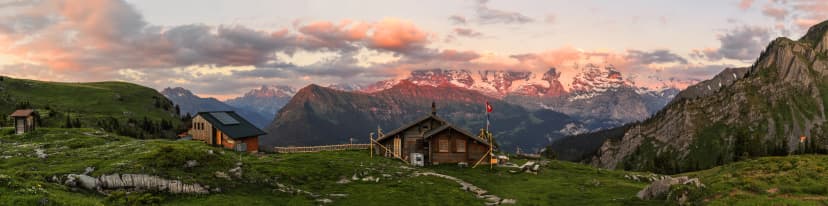
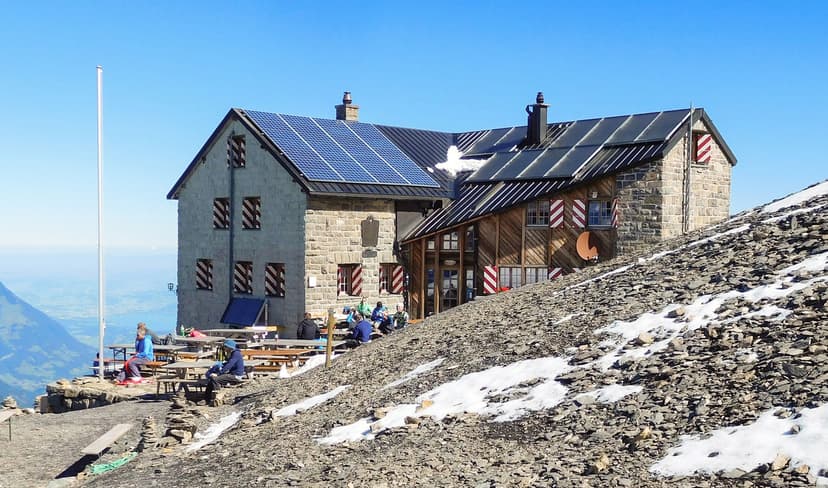
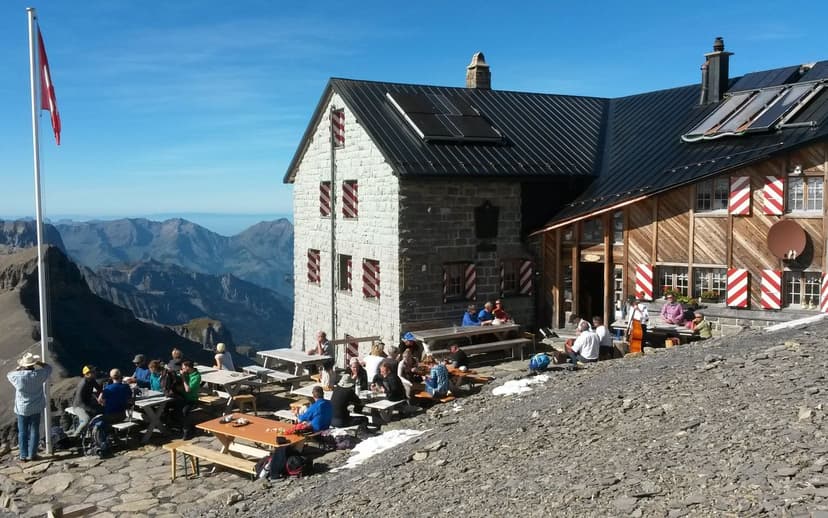
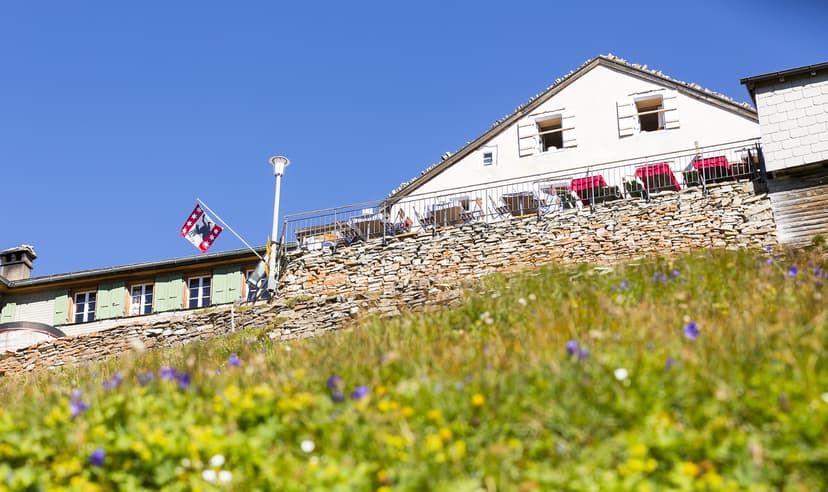
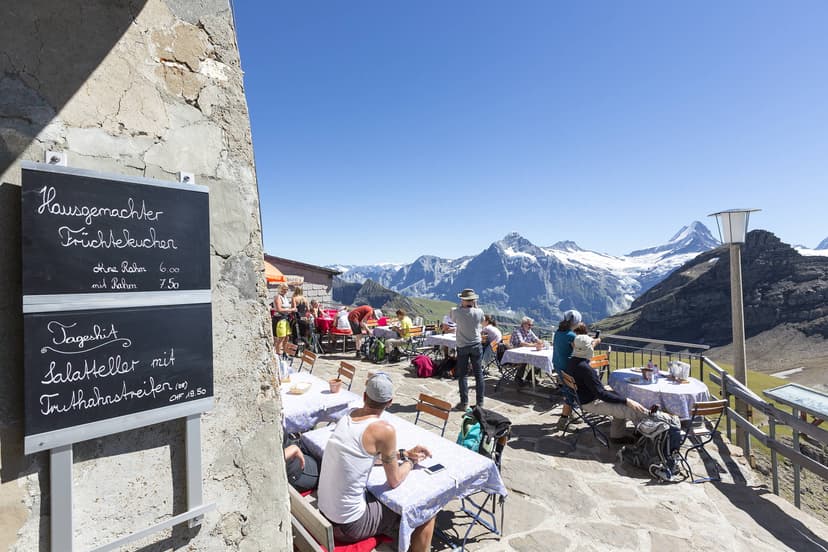
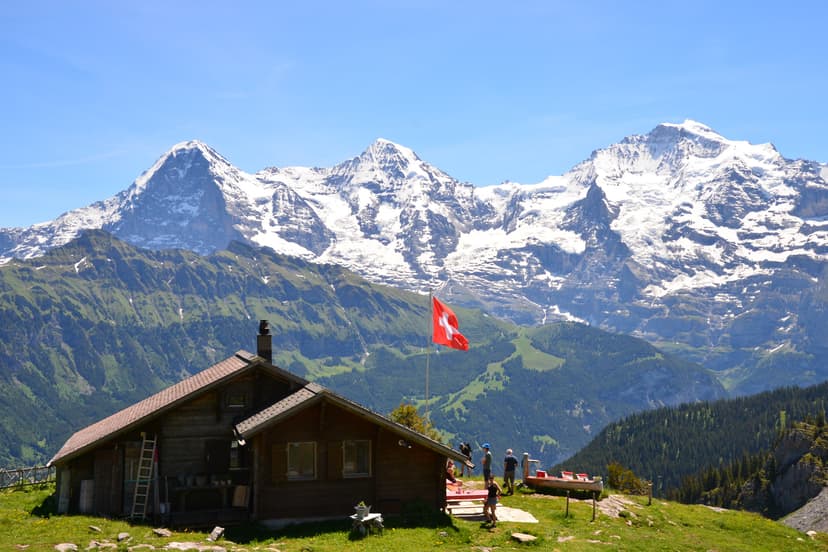
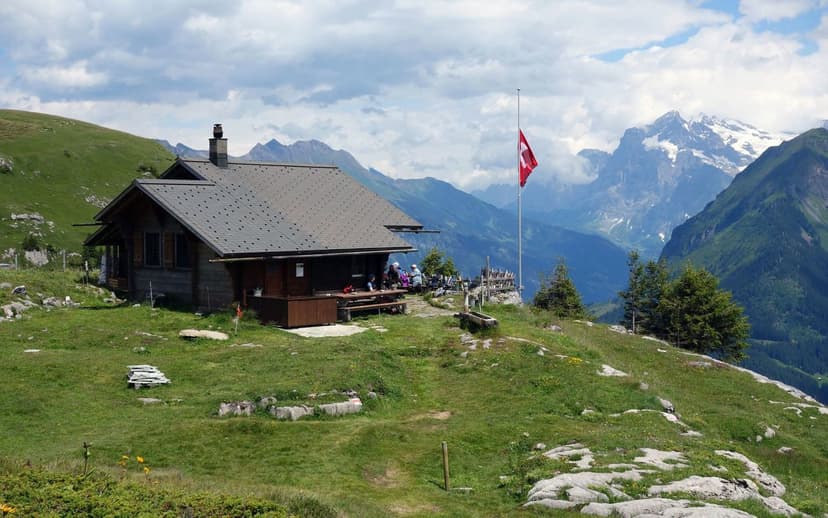
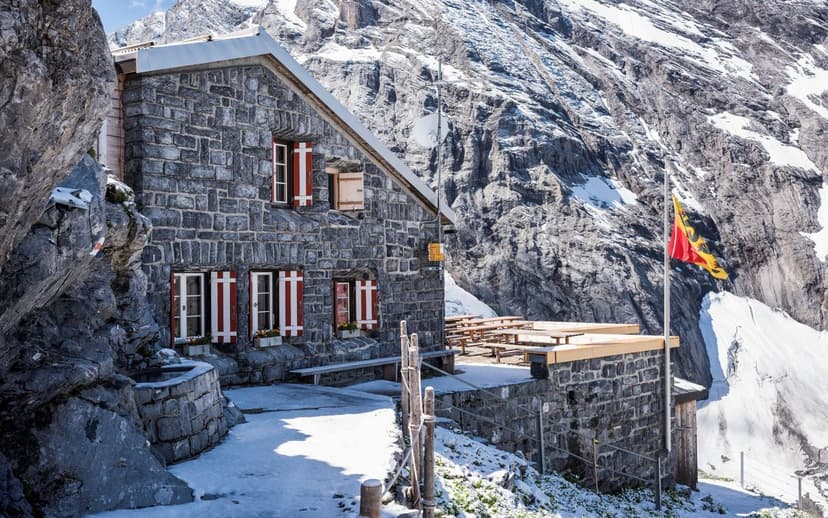
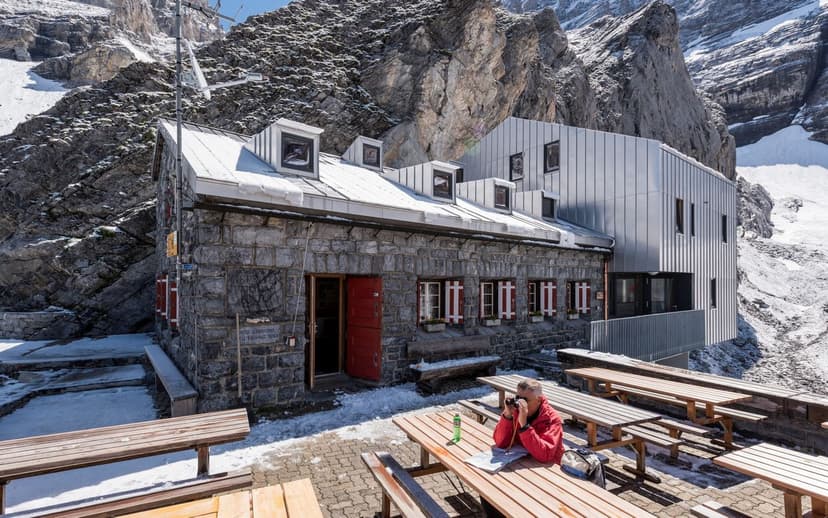
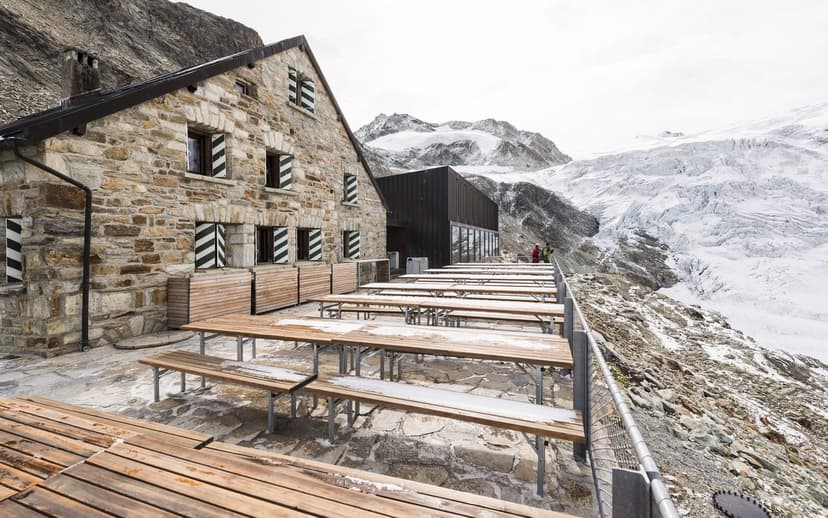
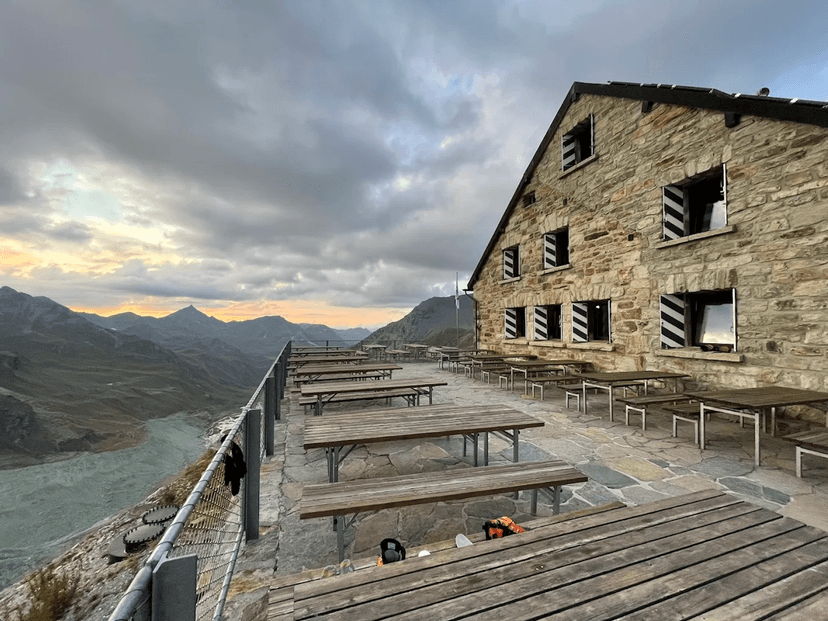
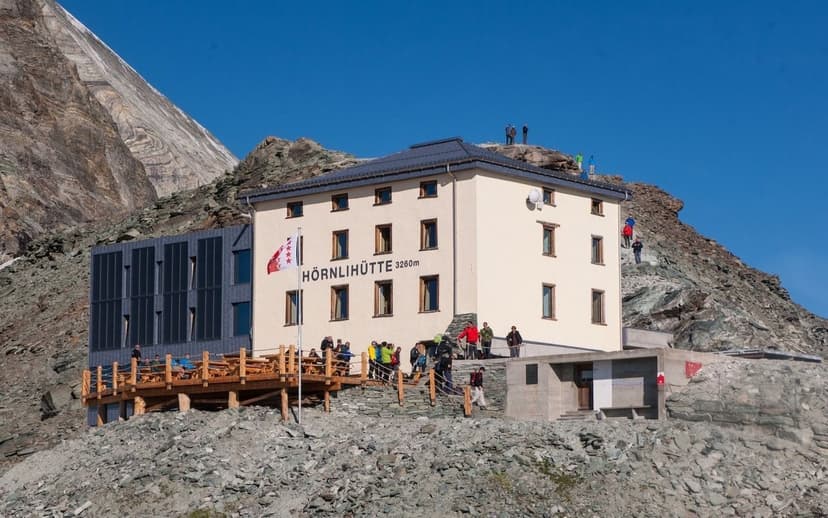
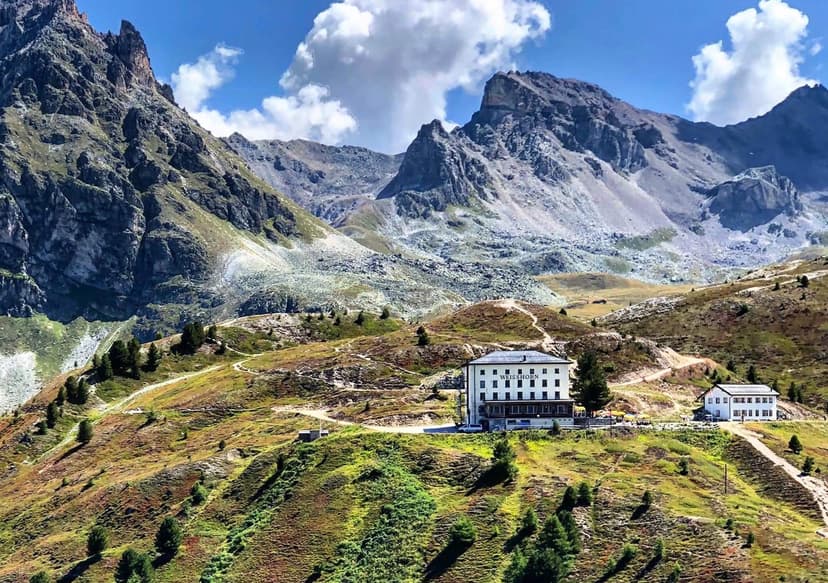
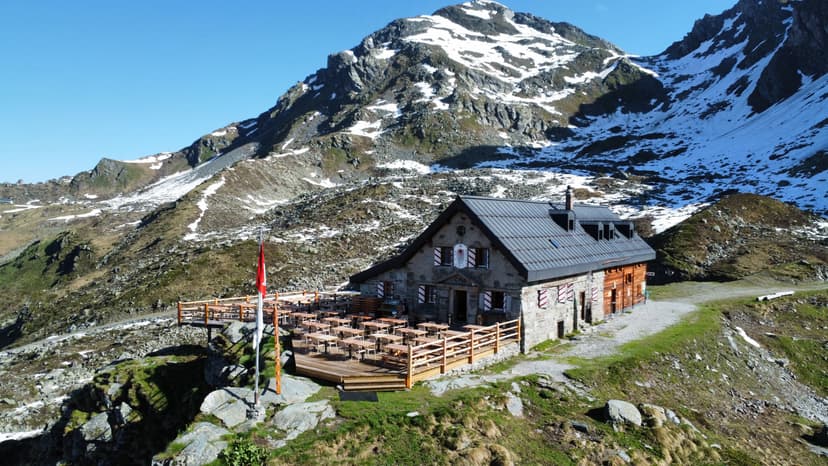
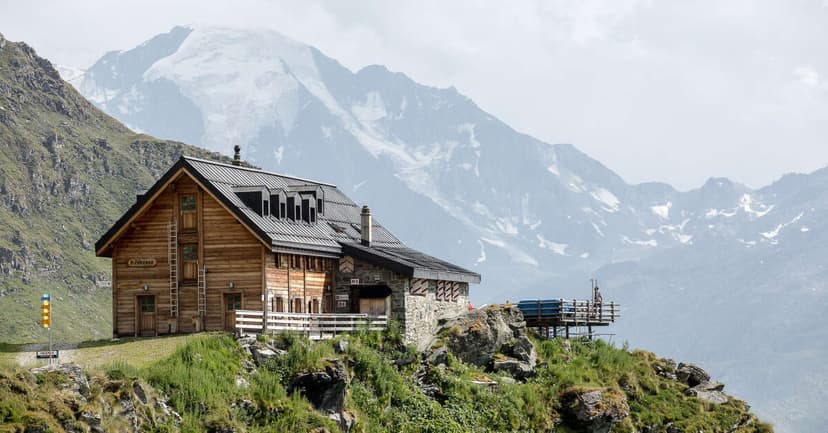
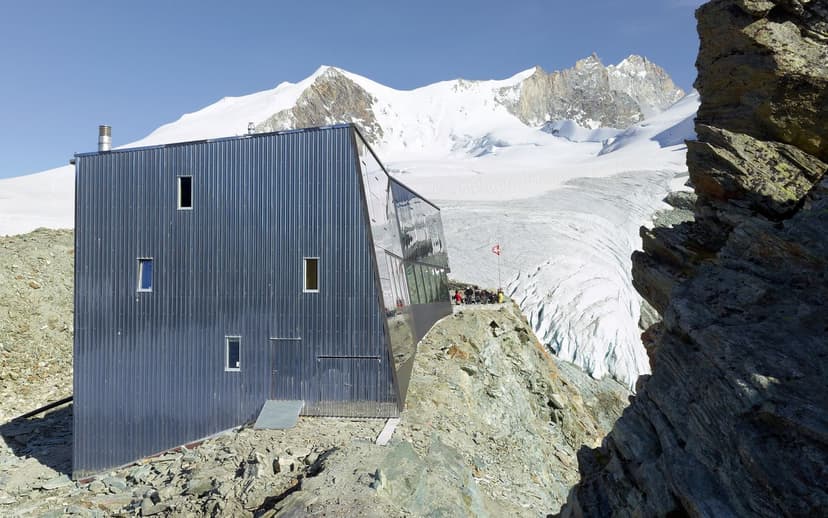
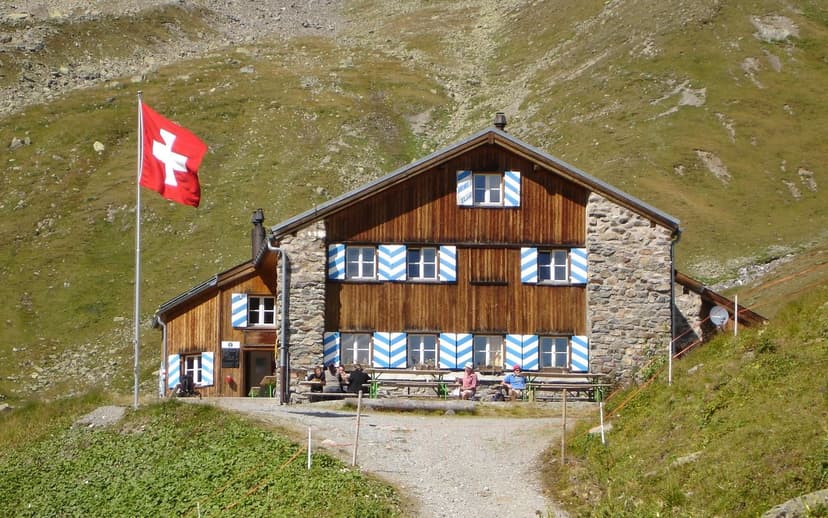
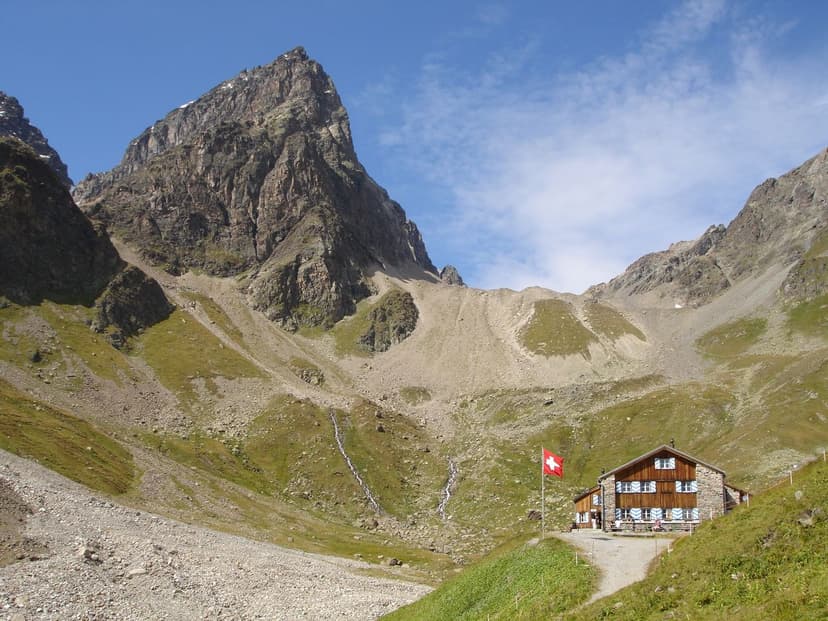
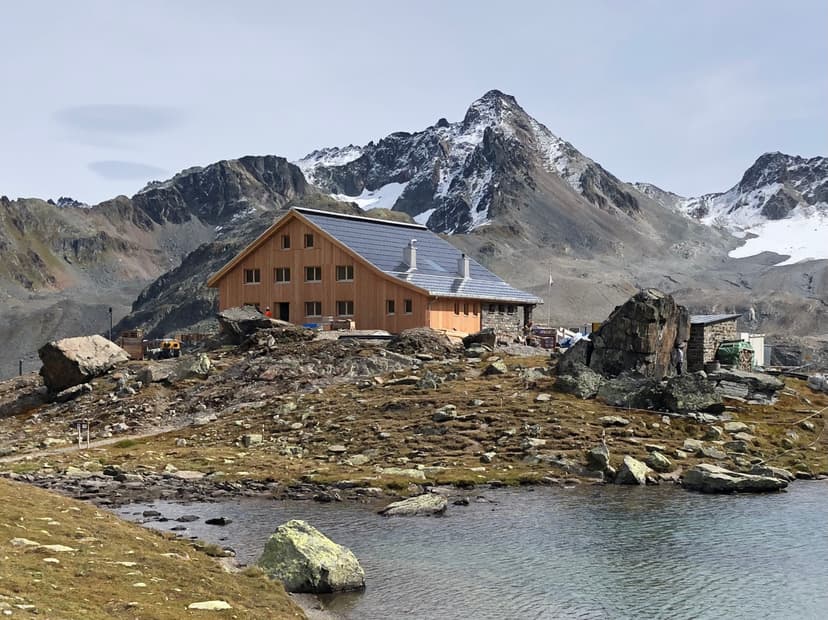
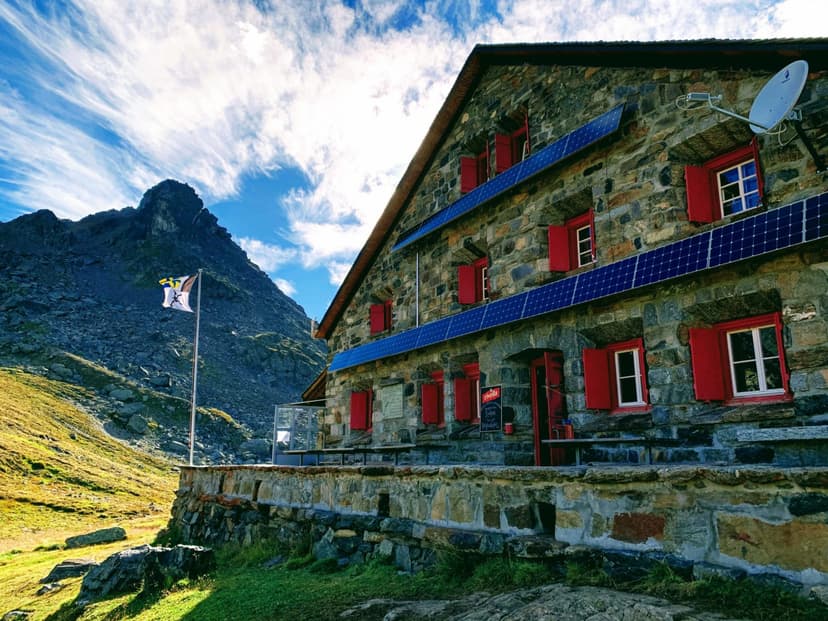
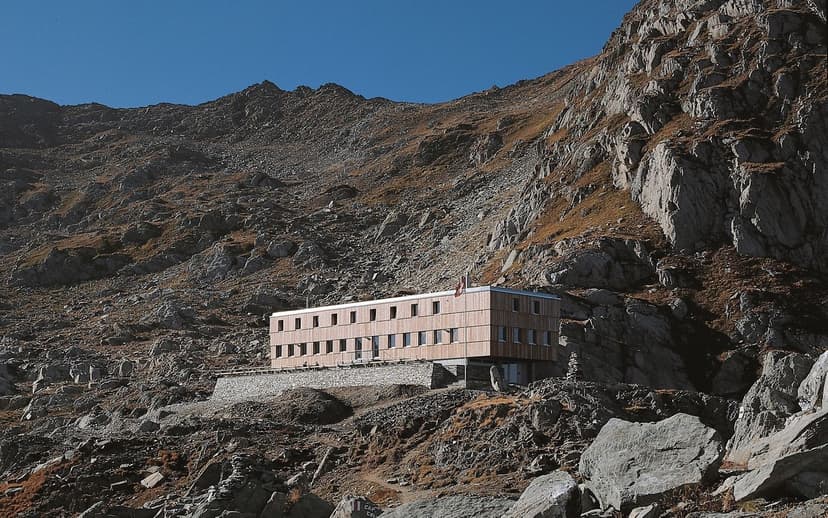
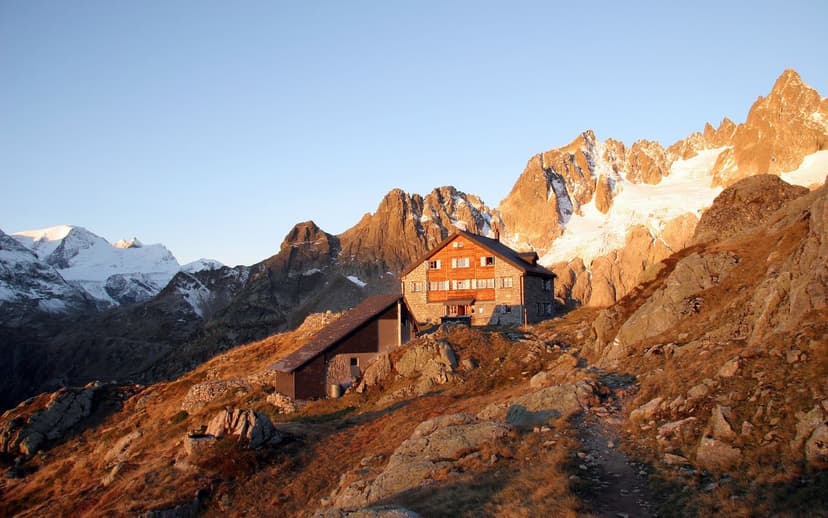
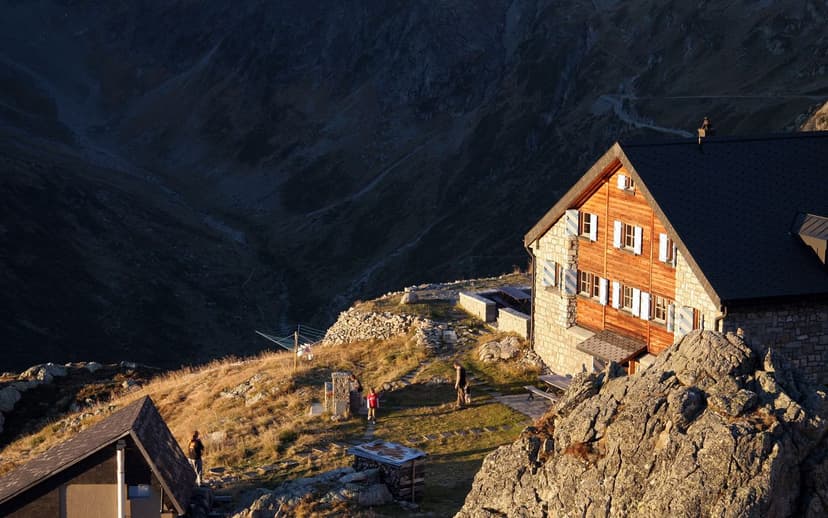
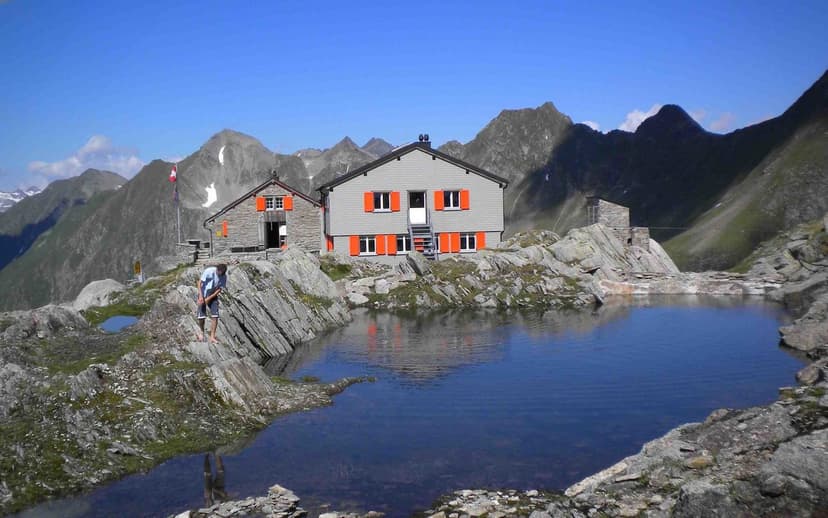
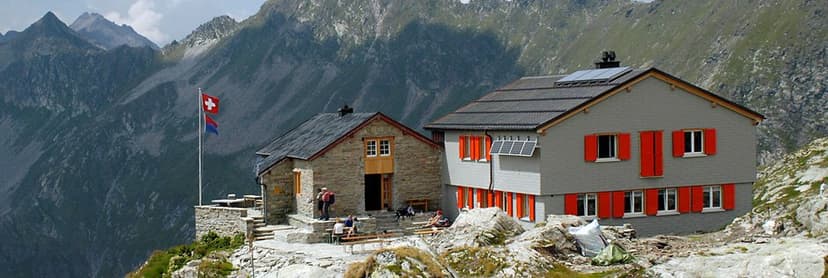
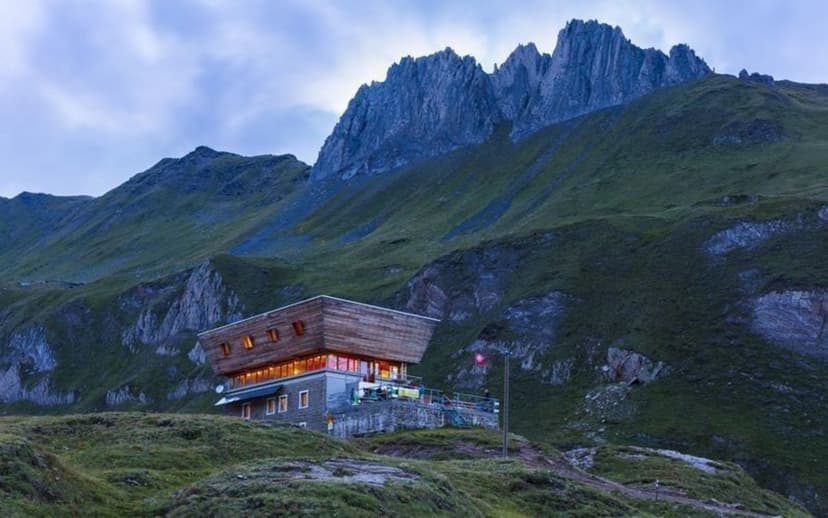
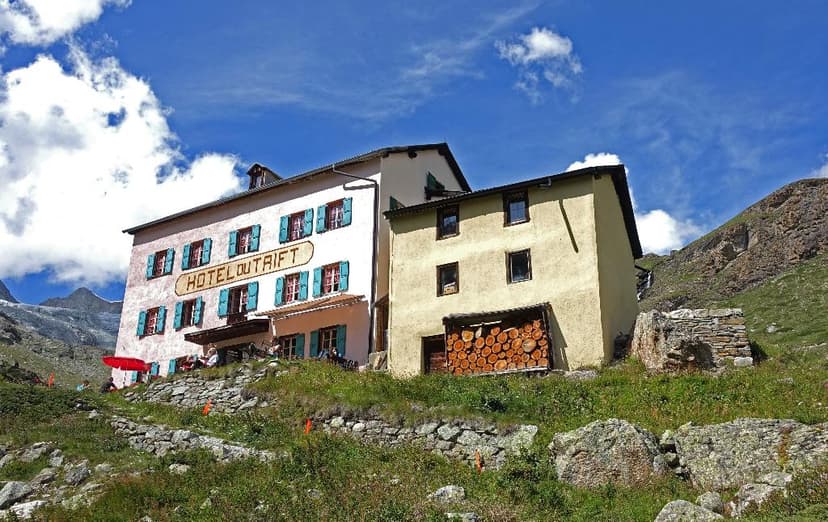
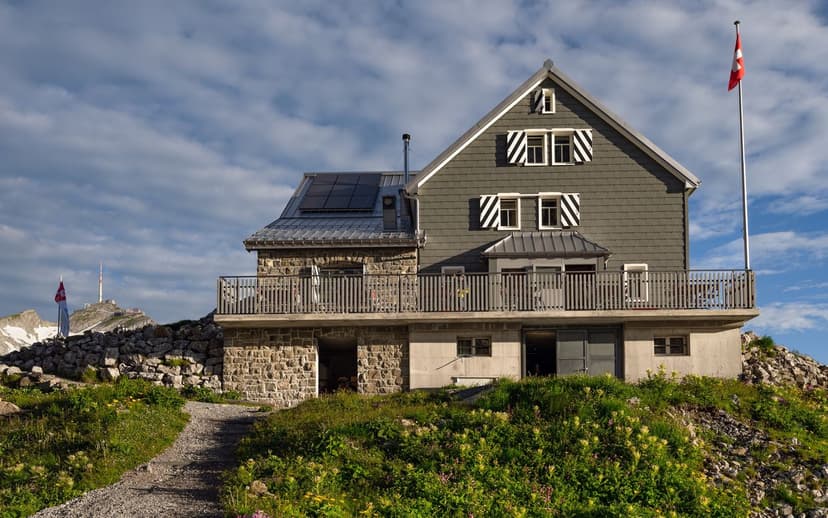
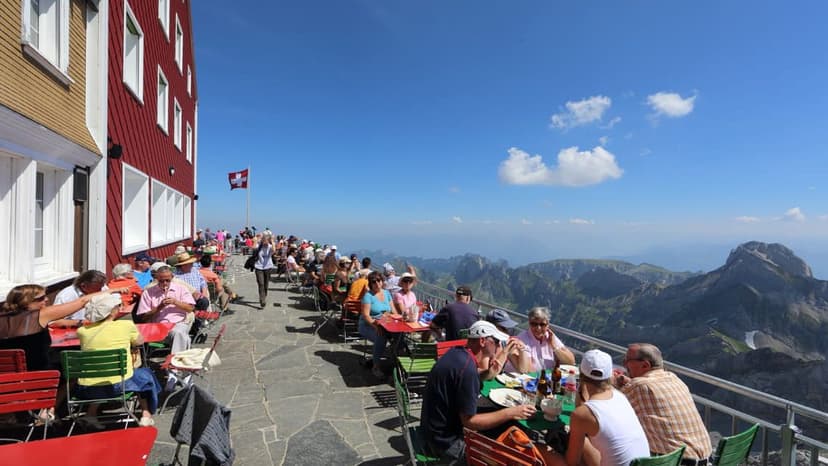
You've been climbing for five hours. The trail crests a rocky shoulder in the Pennine Alps, and there it is — a stone building perched above a glacial lake, the Swiss flag taut in the wind, a terrace full of hikers nursing cold beers in the afternoon sun. You drop your pack, unlace your boots, and sit down to a view that makes the last 1,200 metres of elevation gain feel like a fair trade.
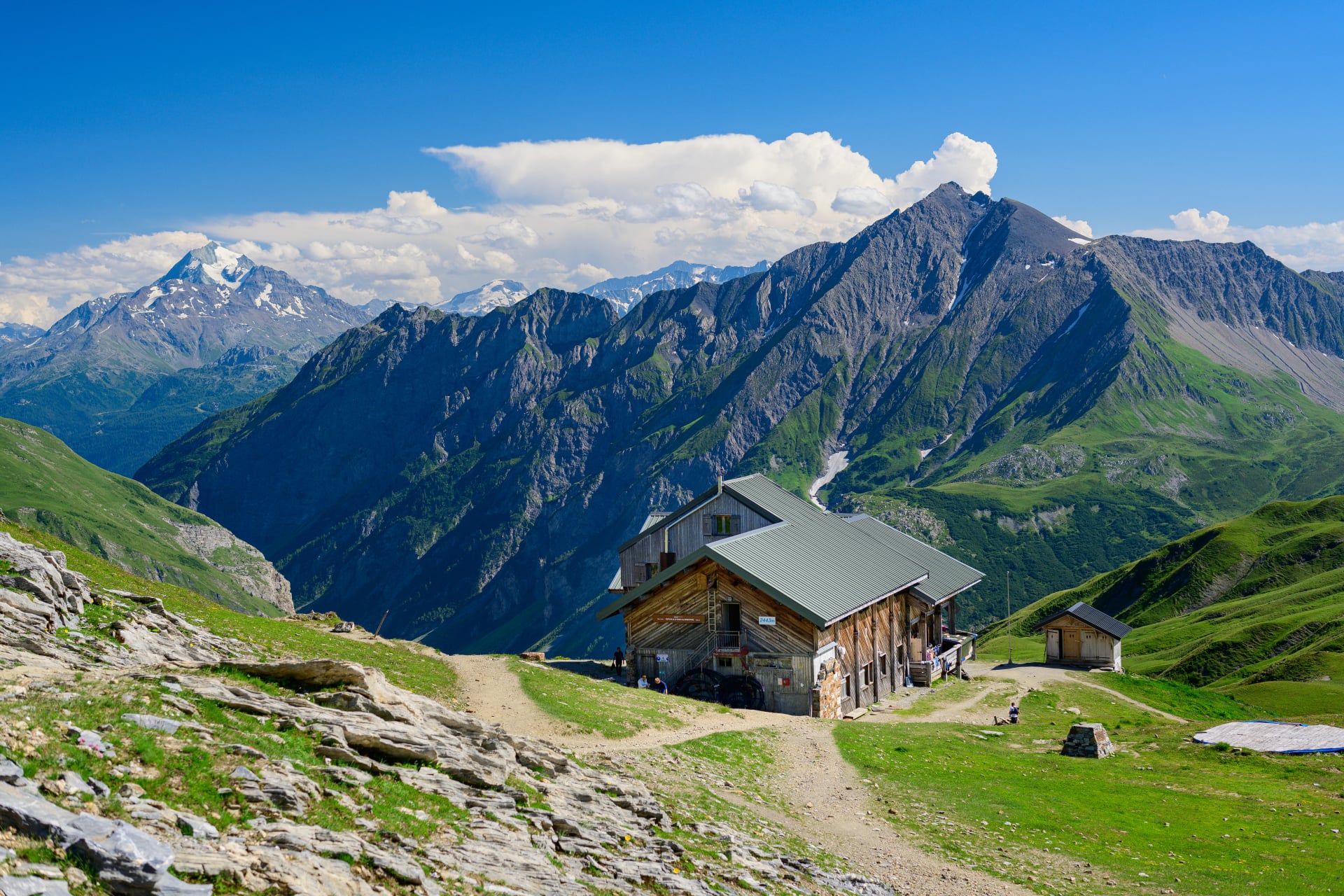
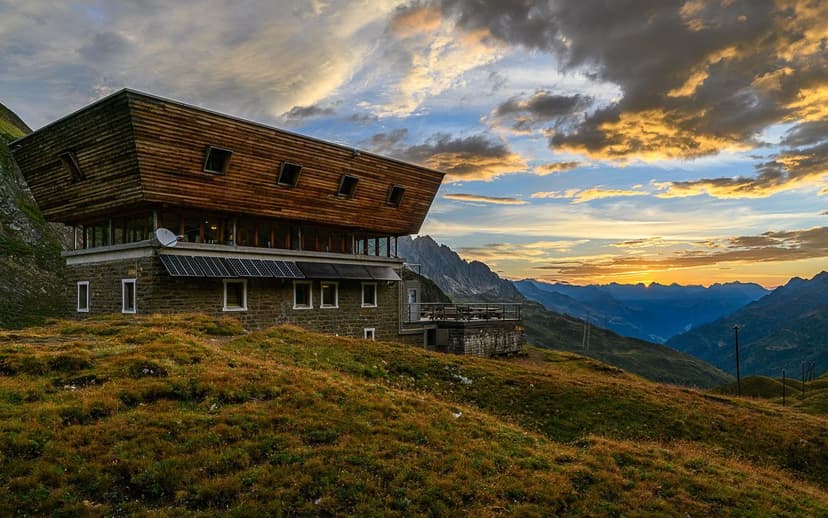
This is what accommodation looks like in the Swiss Alps. Not a lobby and a key card, but a mountain hut earned by the day's effort — or a valley hotel where you sink into clean sheets after a week on the trail. Switzerland's hiking accommodation system is unusually varied: unlike the Dolomites (where rifugios are the only game in town) or the Camino (where albergues dominate), the Swiss Alps offer three distinct layers of accommodation that often appear on the same multi-day route.
Not sure which route you're hiking yet? Start with our guide to the top hikes in Switzerland — then come back here for where to sleep.
This guide covers all three types, how they work in practice, the best places to stay across five hiking regions, and everything you need to know about etiquette, booking, and costs before your first night in a Swiss mountain hut.
Not sure which route you're hiking yet? Start with our guide to the top hikes in Switzerland — then come back here for where to sleep.
Three Types of Hiking Accommodation in Switzerland
Understanding these three categories is the key to planning any Swiss hiking trip. Most multi-day routes use a mix of all three — and the combination you choose shapes the character of your entire trek.
There's no wrong way to combine these three. A typical week-long trek might start with a valley hotel night, spend four nights in SAC huts crossing high passes, drop to a Berghotel for a rest day, and finish with a valley hotel. The mix is what makes Swiss hiking accommodation so flexible — and it's how we build most of our itineraries.
What Is the SAC?
Over 160 years later, the organisation has grown into Switzerland's largest outdoor sports body, with more than 190,000 members across 111 regional sections. Its practical legacy is the 153 mountain huts spread across every major hiking region — from the Jura to the Engadine, from the Bernese Oberland to the Ticino.
Without this infrastructure, multi-day hut-to-hut hiking in Switzerland simply wouldn't exist in its current form. The SAC hut network is what allows you to cross high passes at 3,000 m and sleep in a staffed, catered refuge on the other side, rather than carrying a tent, stove, and five days of food on your back.
Beyond the huts, the SAC also:
Maintains and signs hiking and mountaineering trails across the country
Publishes topographic maps, guidebooks, and route descriptions
Runs mountaineering and avalanche safety courses
Operates a rescue coordination network for Alpine emergencies
But the huts remain its most visible and important contribution to Swiss hiking culture — and the foundation that every multi-day route in this guide is built on.
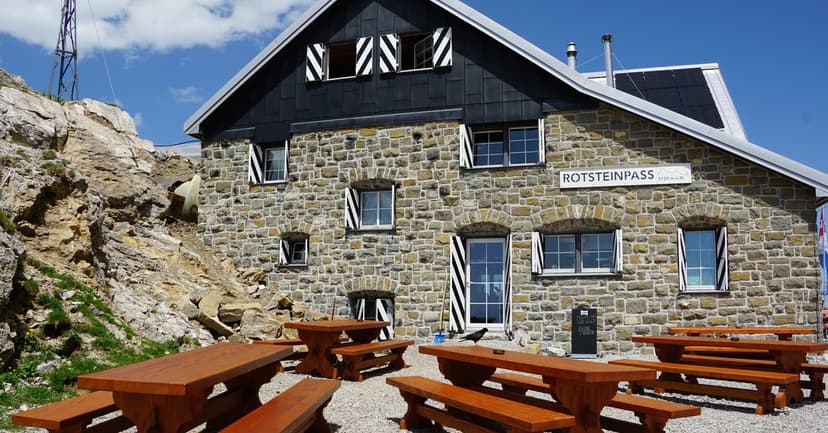
What SAC Huts Provide — and What They Don't
If you've never stayed in a mountain hut, here's what to expect:
1. What SAC Huts Provide
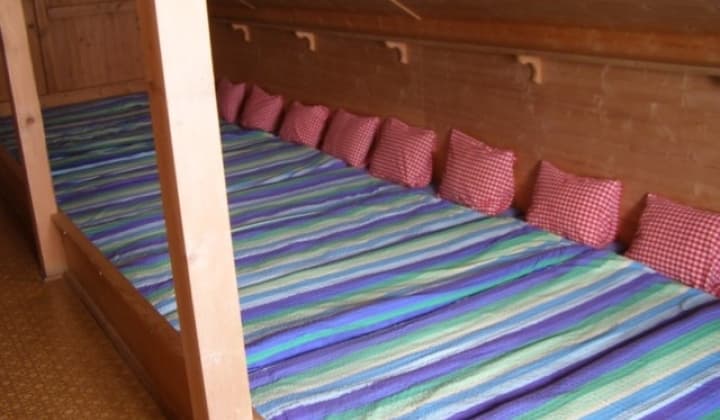
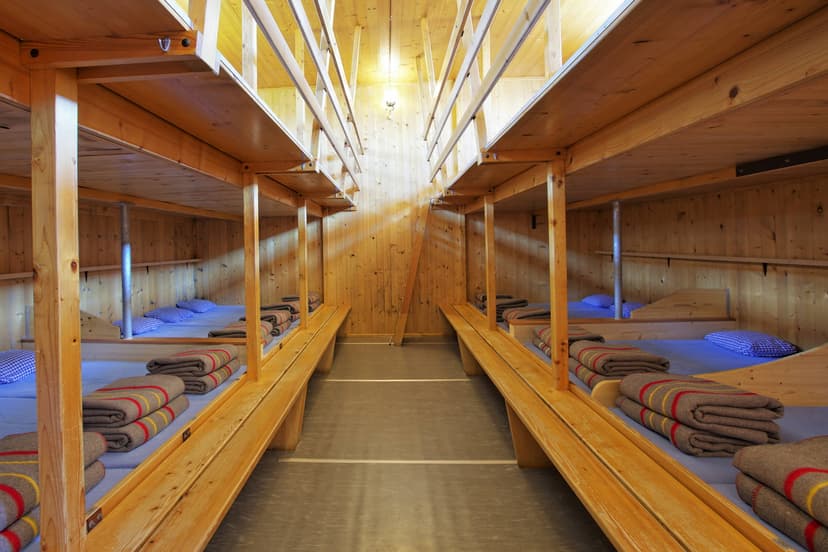
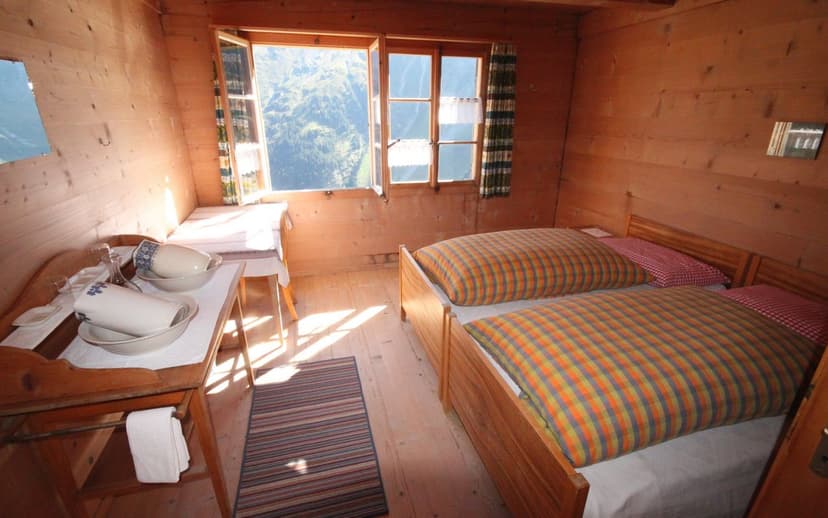
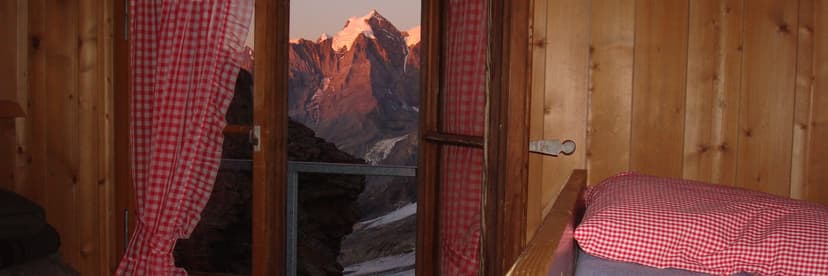
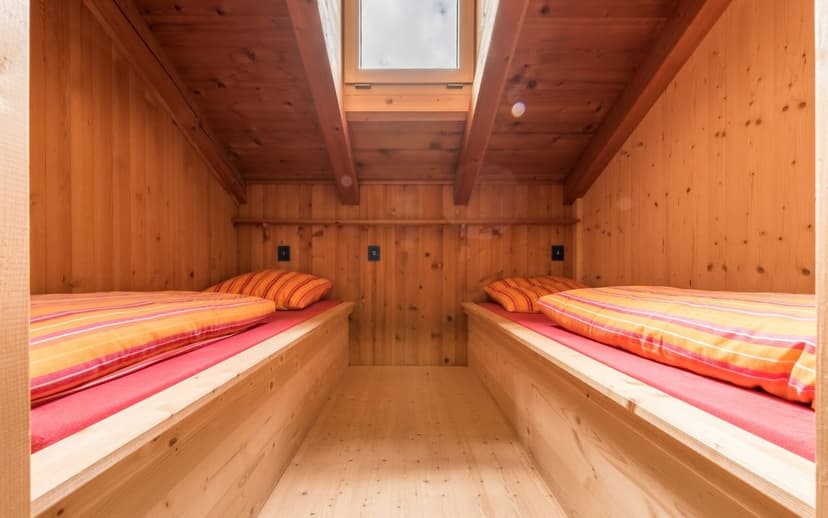
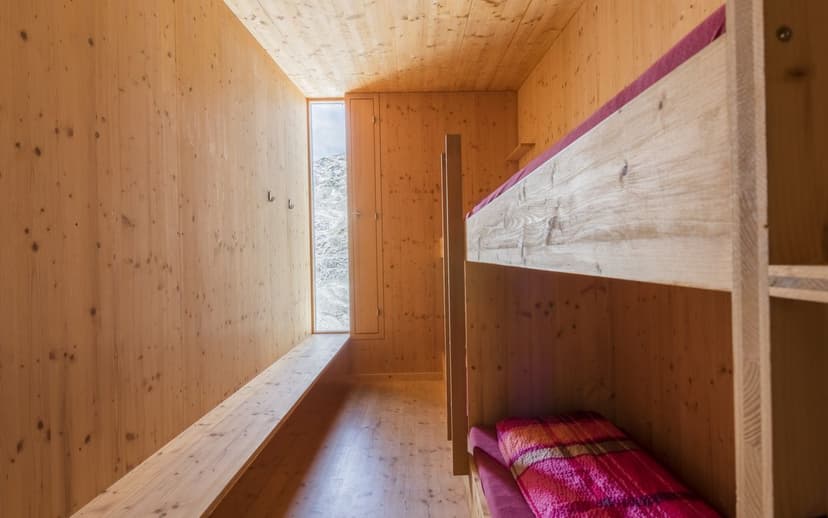
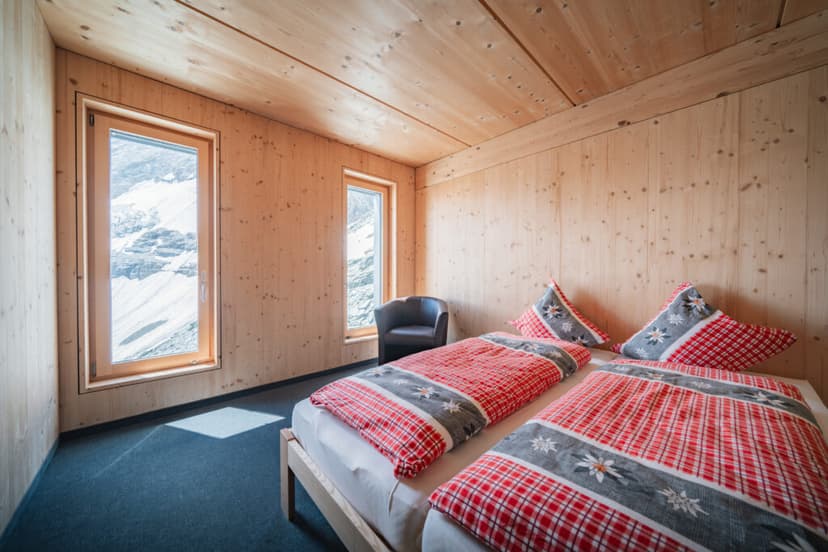
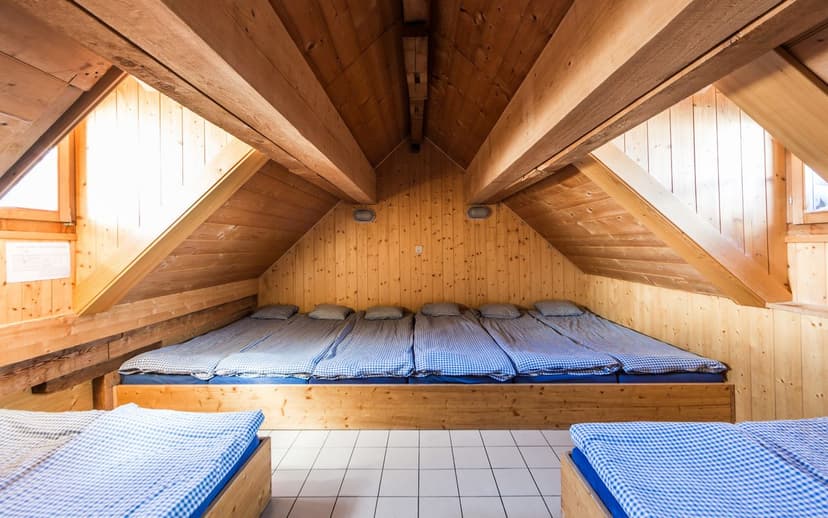
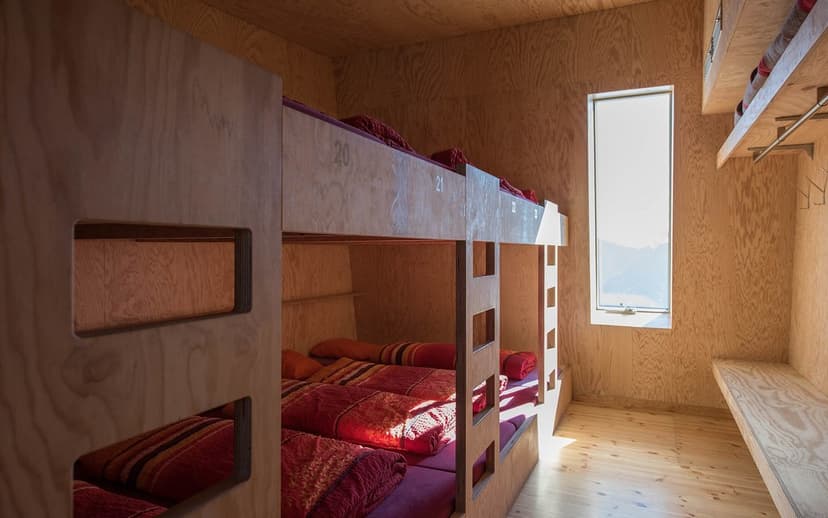
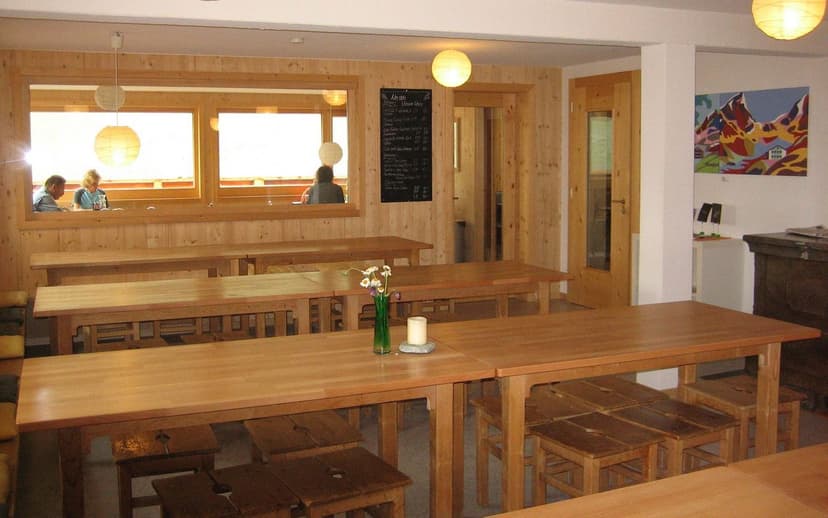
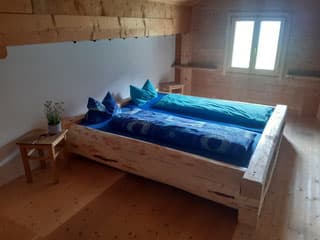
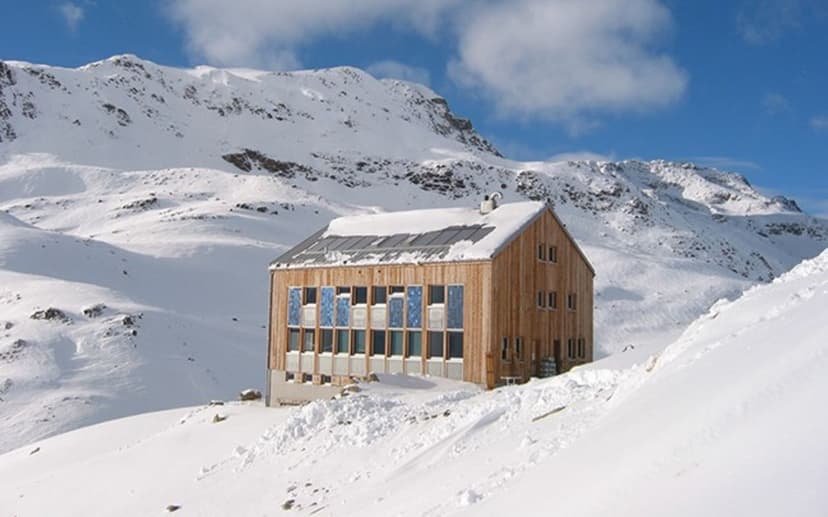
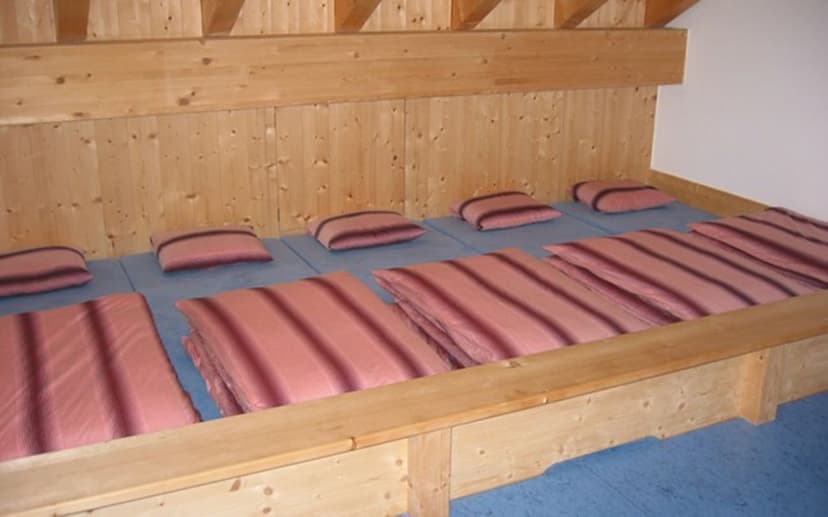
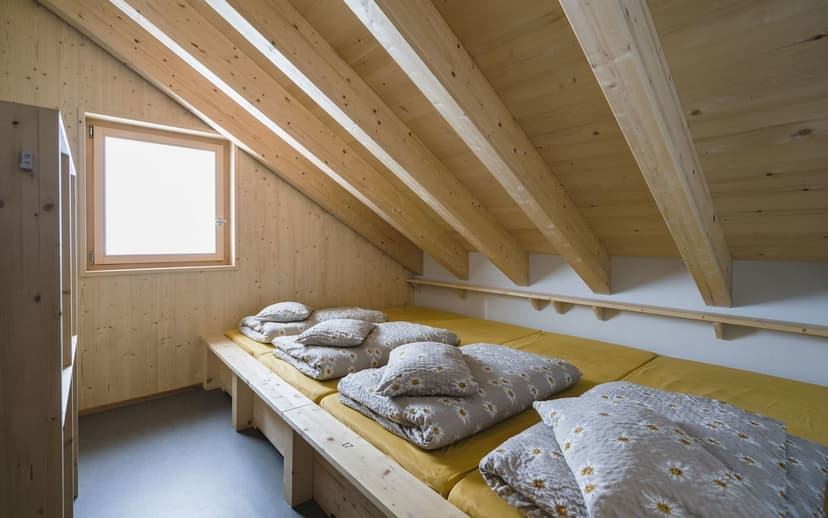
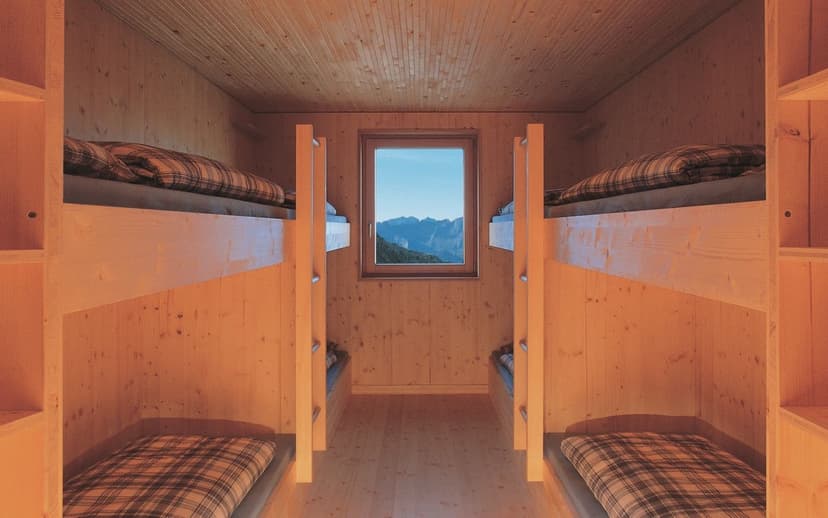
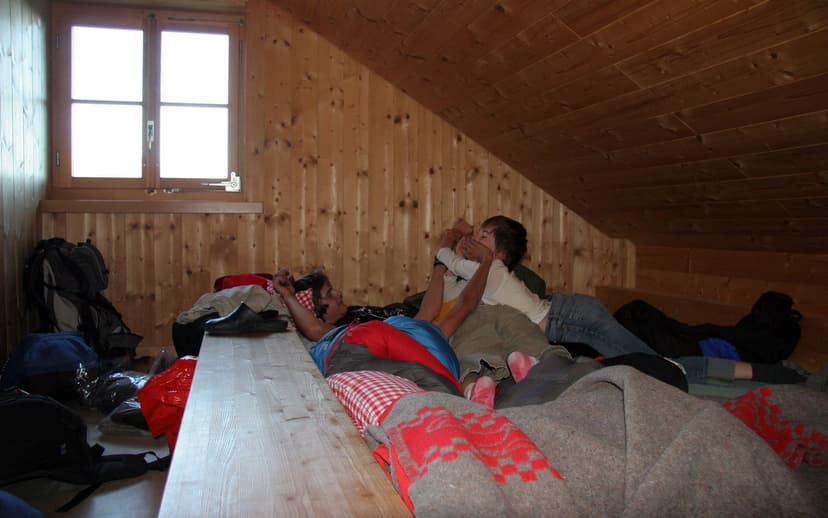
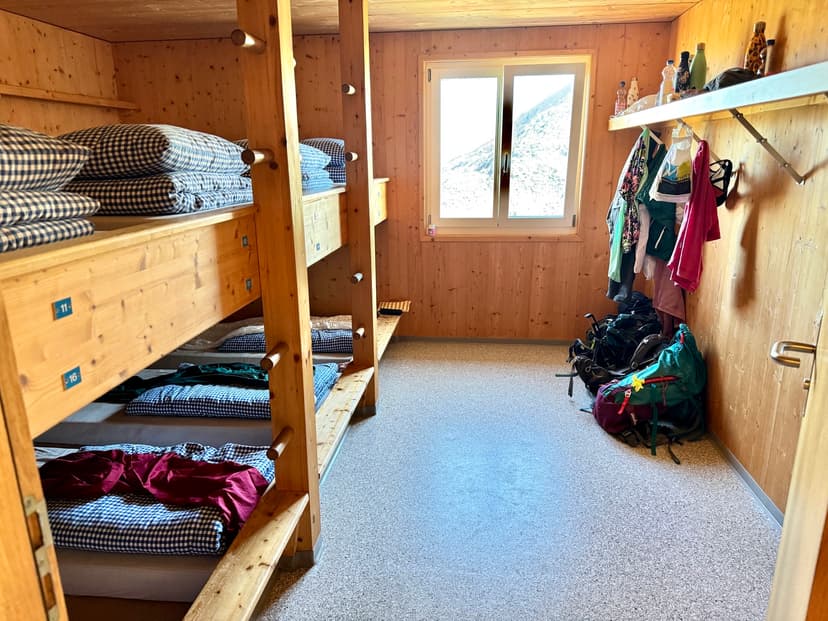
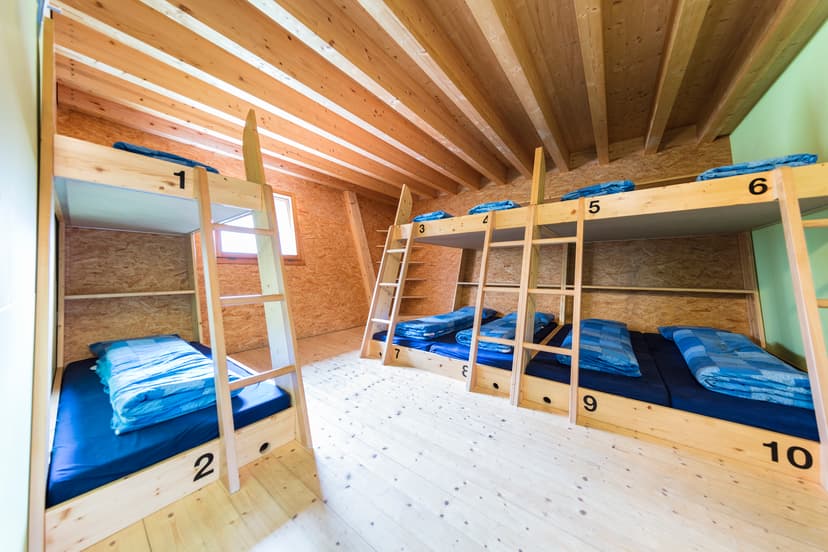
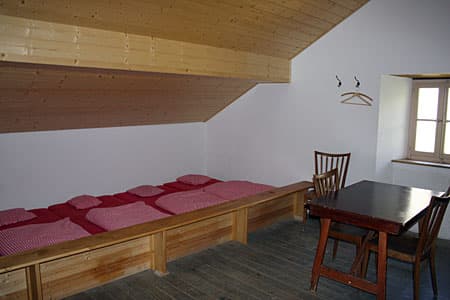
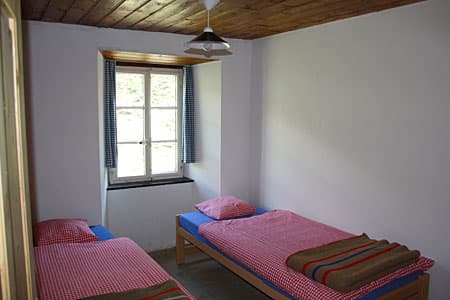
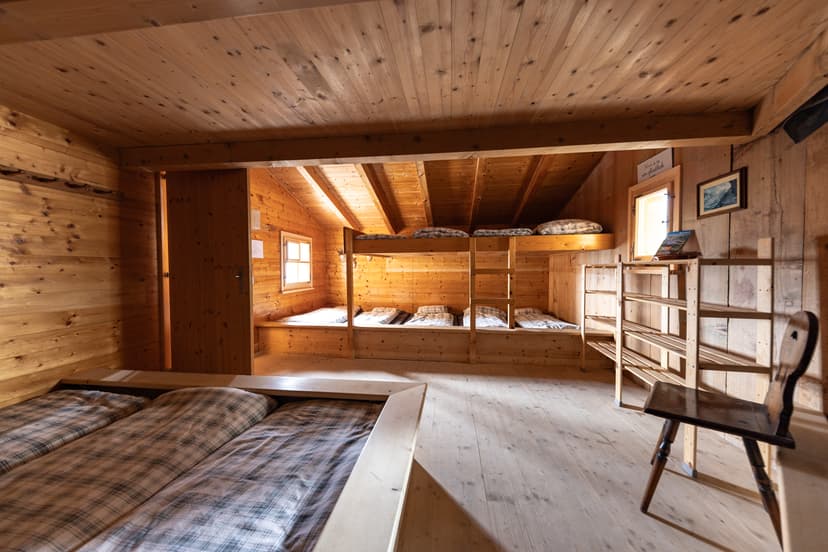
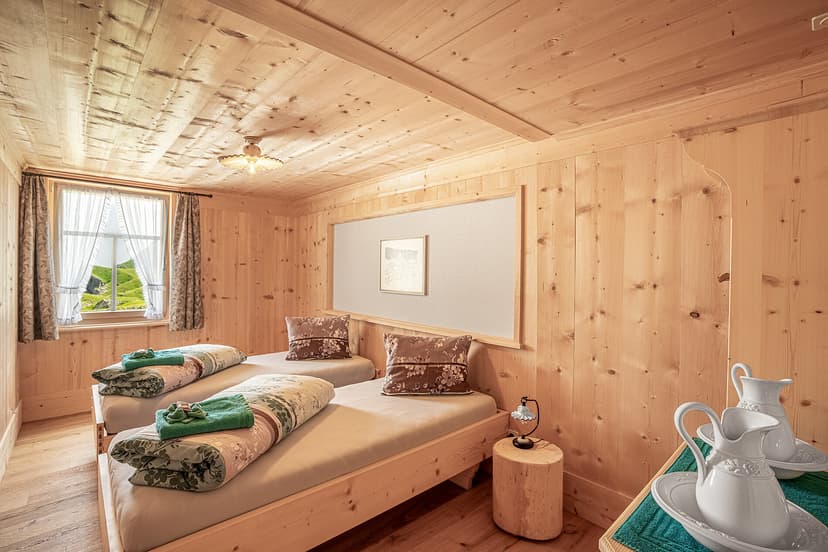
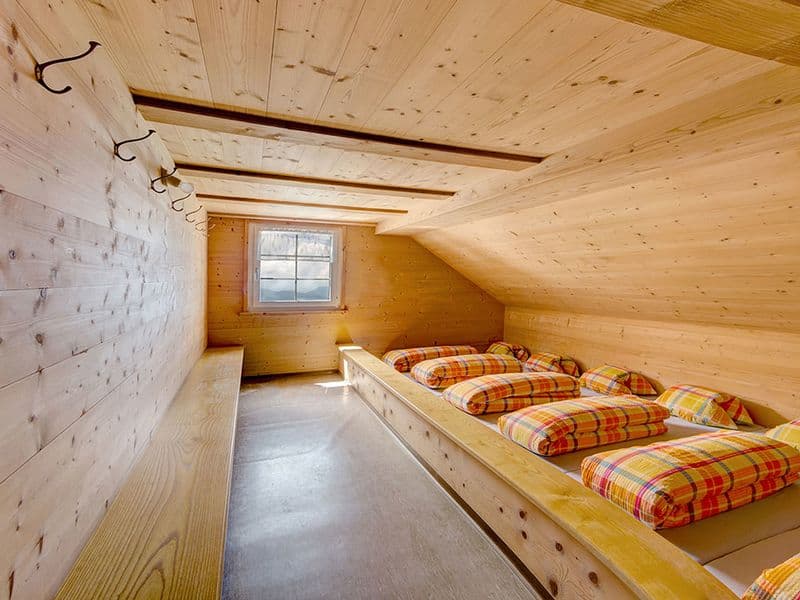
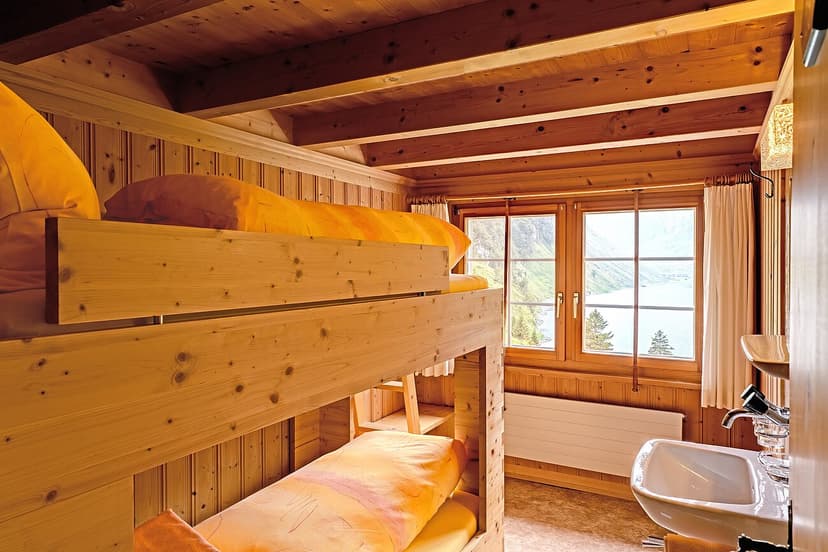
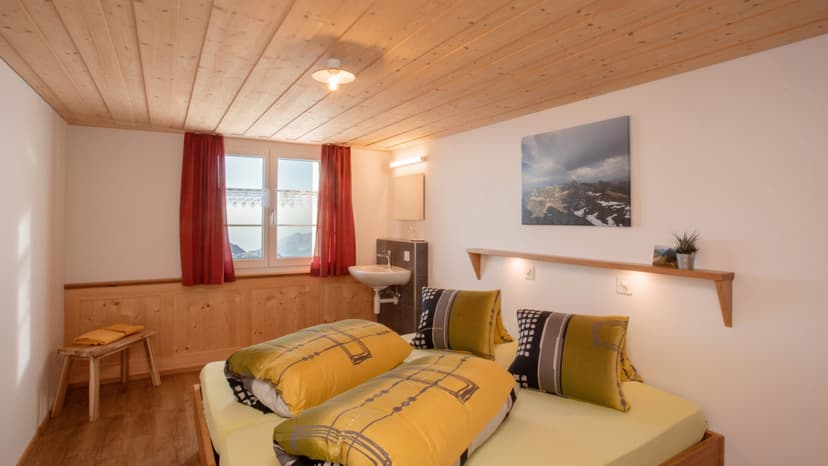
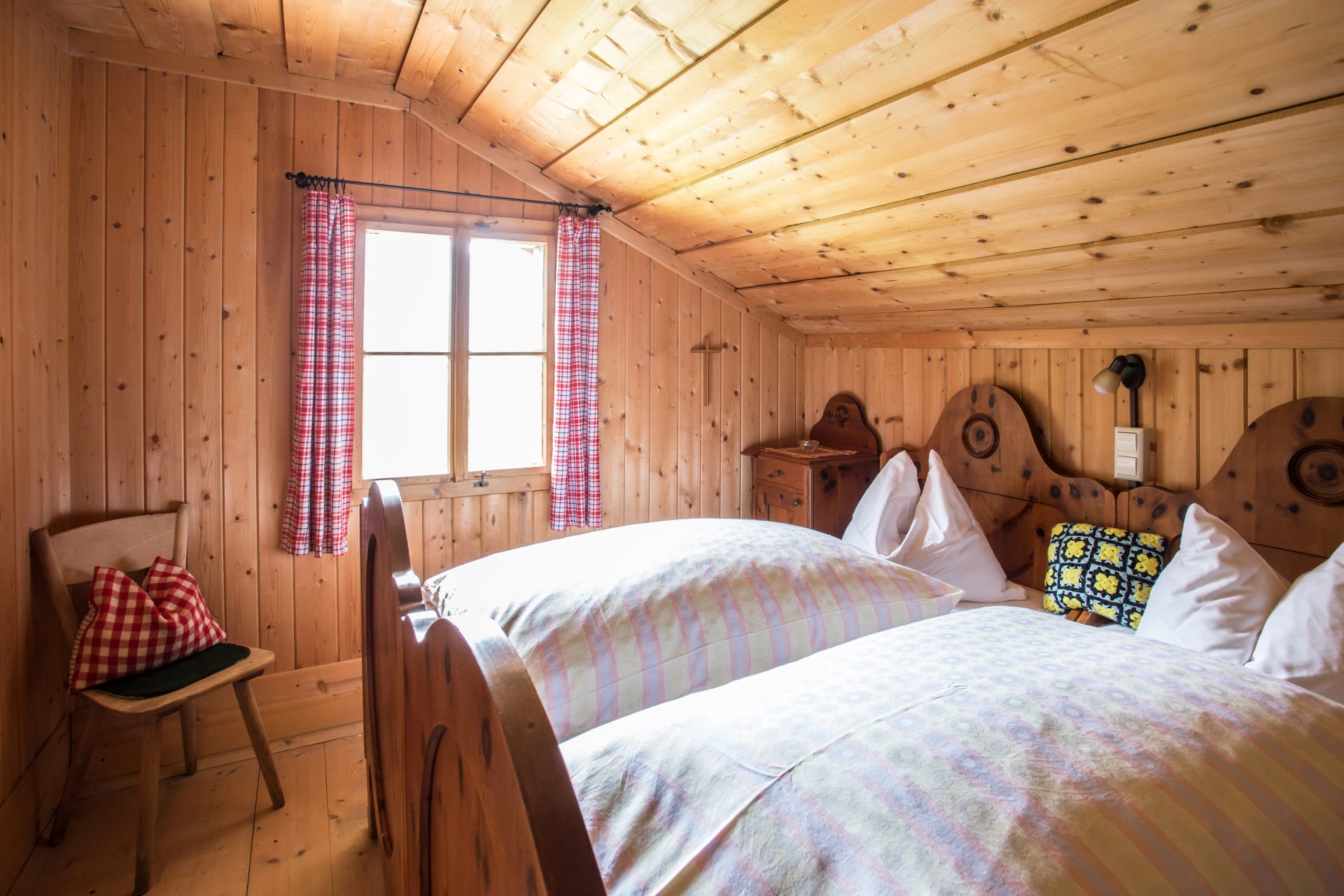
Bunk beds with mattresses, pillows, and heavy wool blankets. Half-board meals (multi-course dinner and continental breakfast). Shared bathrooms with running water — cold at most high-altitude huts. A drying room (Trockenraum) for wet gear. Emergency shelter, first aid, and weather updates from the hut warden (Hüttenwart).
2. What SAC Huts Don't Provide
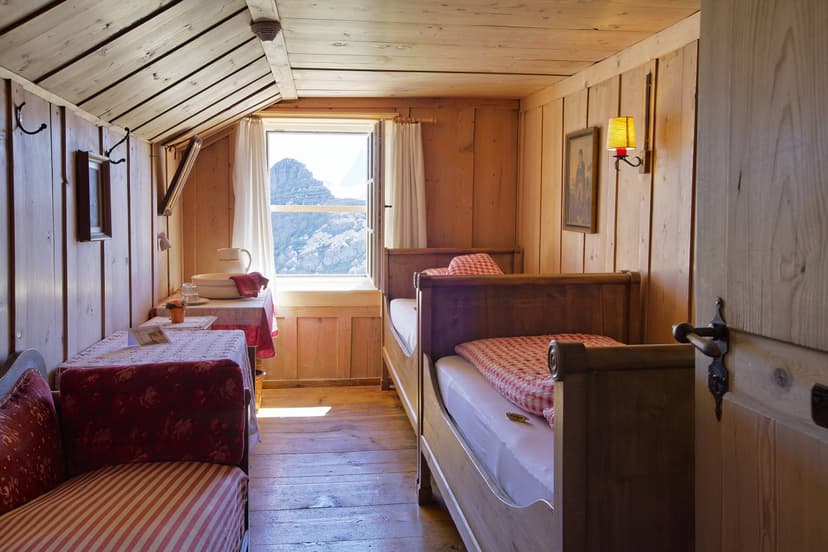
Private rooms (a handful offer them, but they book out months ahead). Towels or sleep sheets — bring your own silk or cotton liner. Guaranteed hot showers (some huts have coin-operated showers at CHF 2–5; many have none). Reliable Wi-Fi or mobile signal. Luxury of any kind — these are mountain shelters, not hotels.
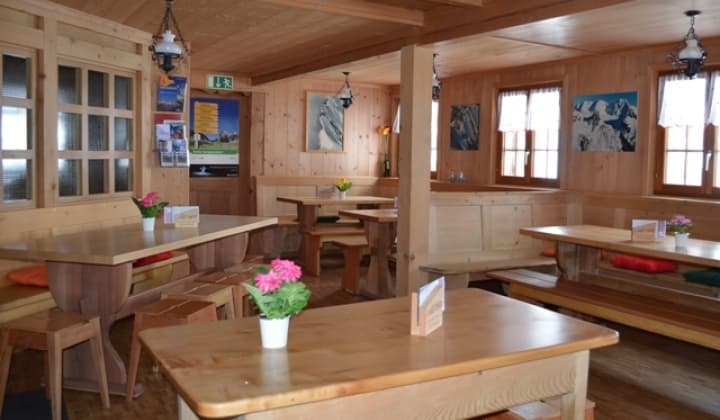
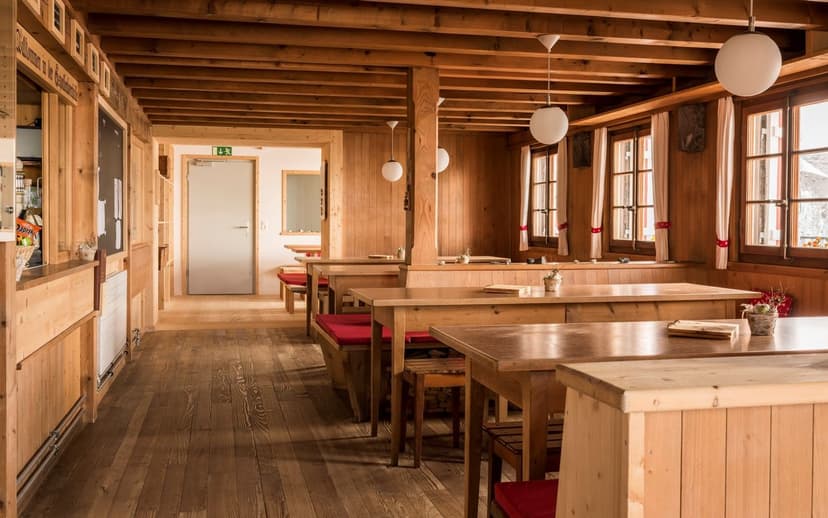
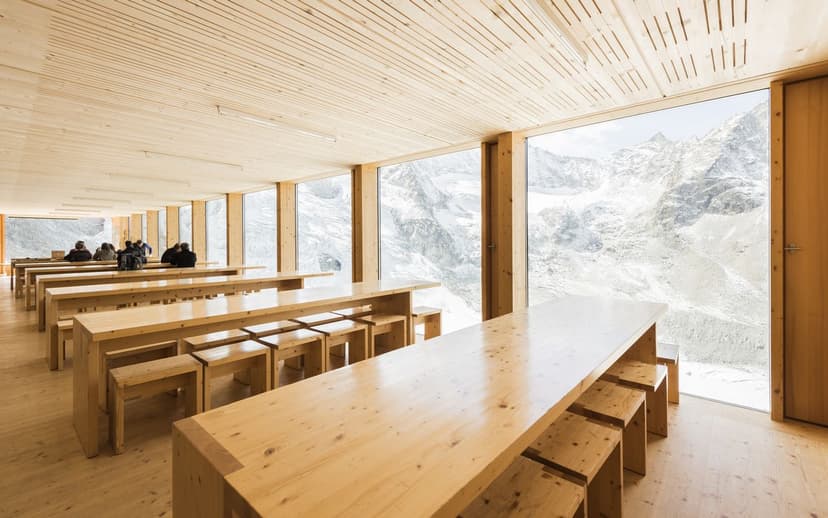
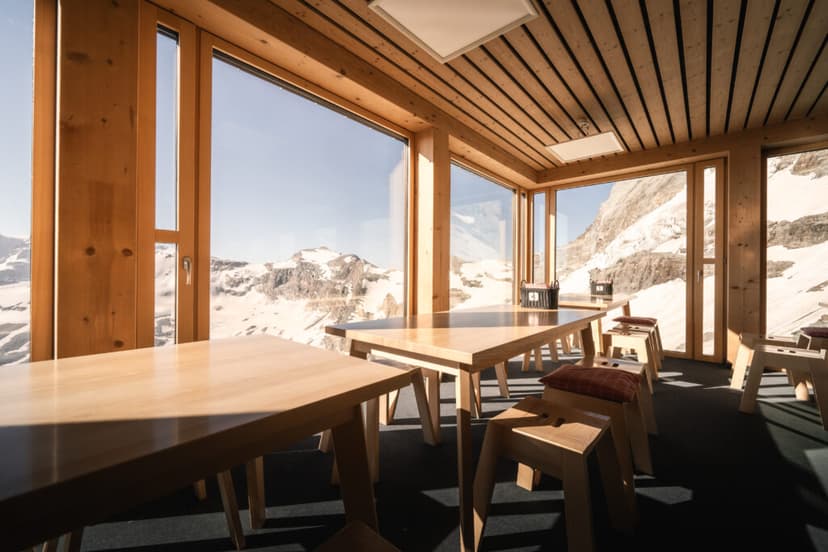
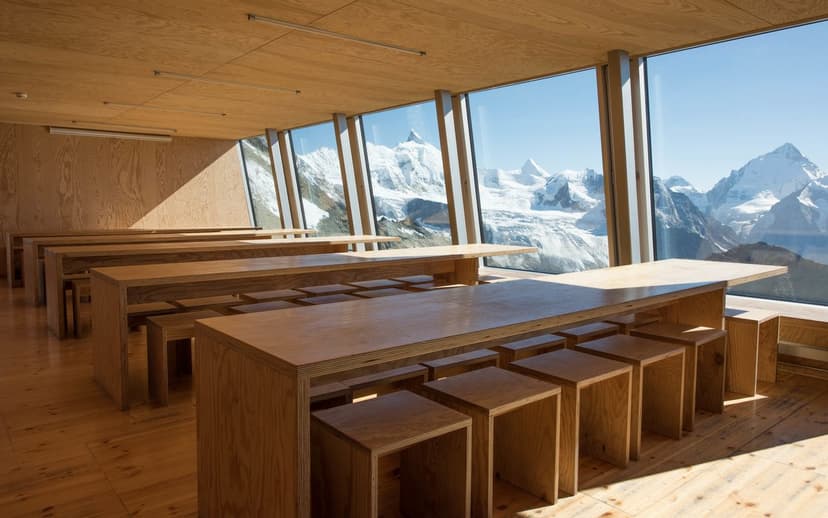
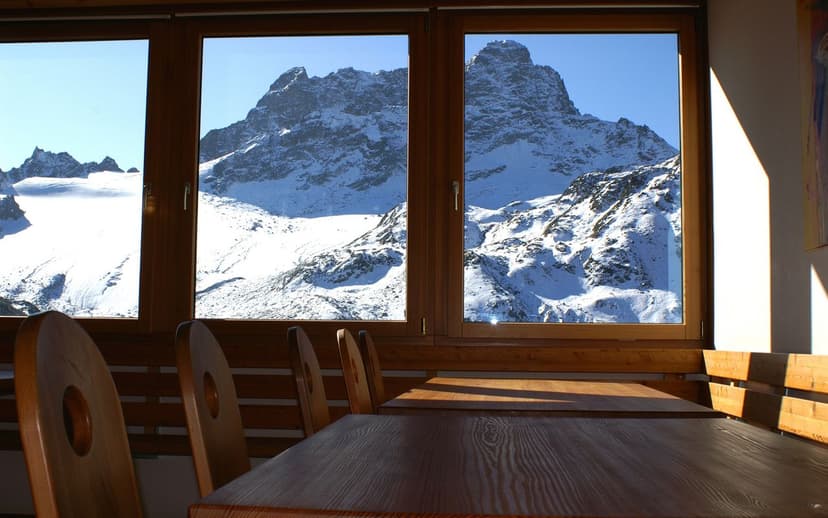
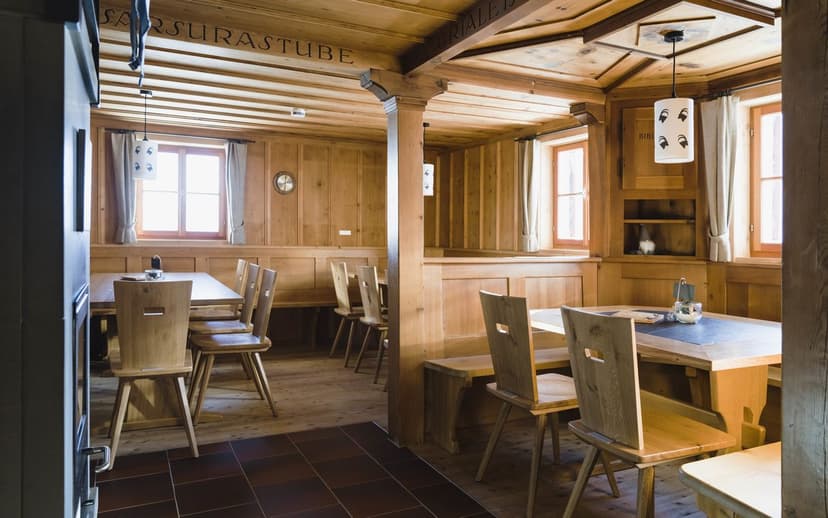
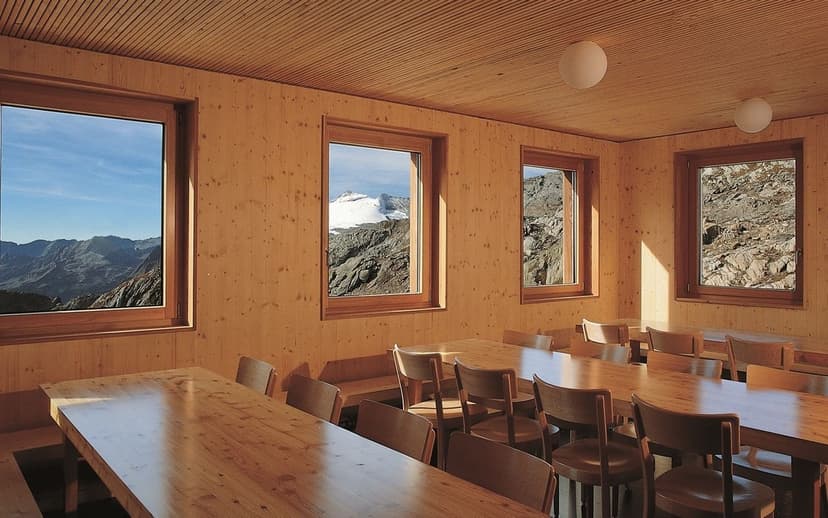
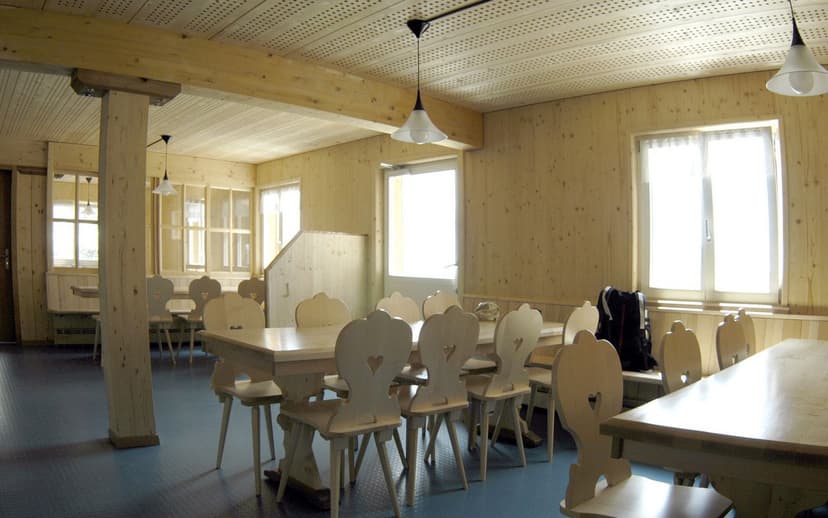
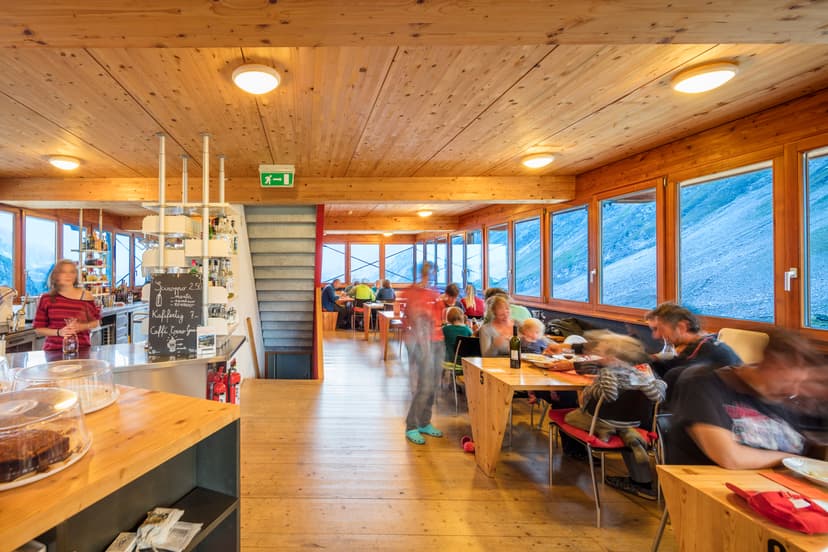
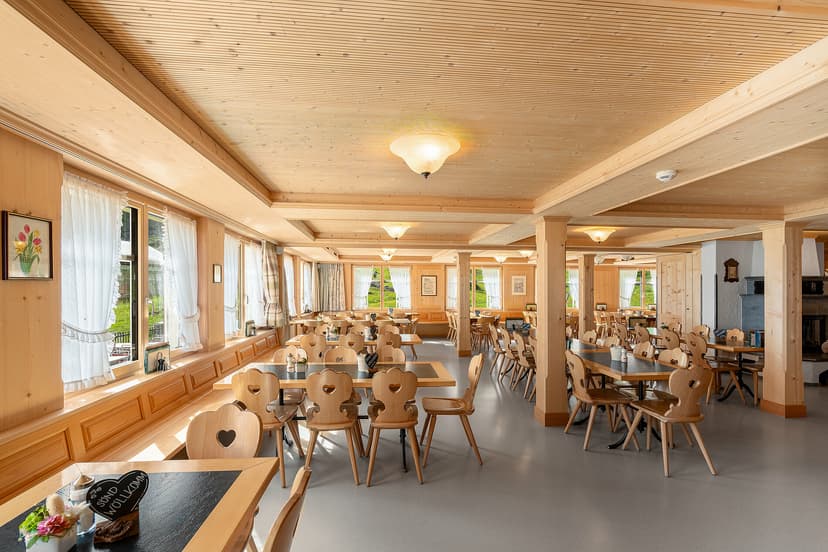
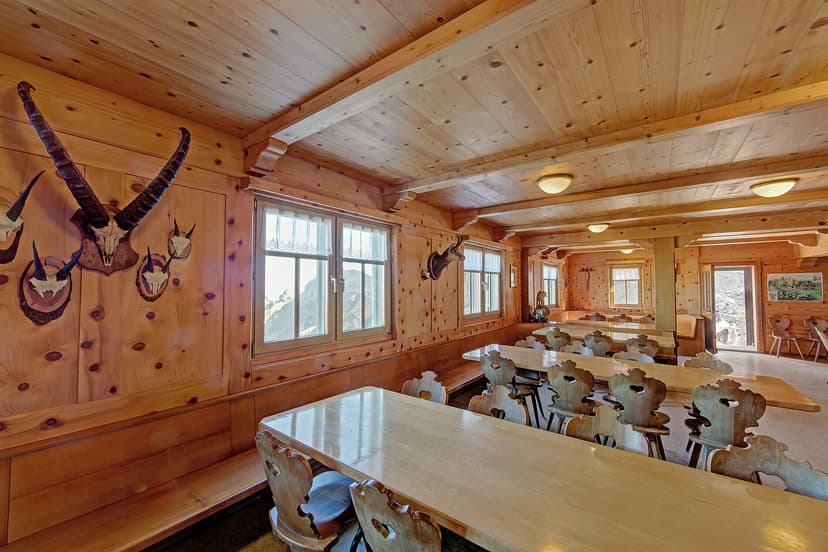
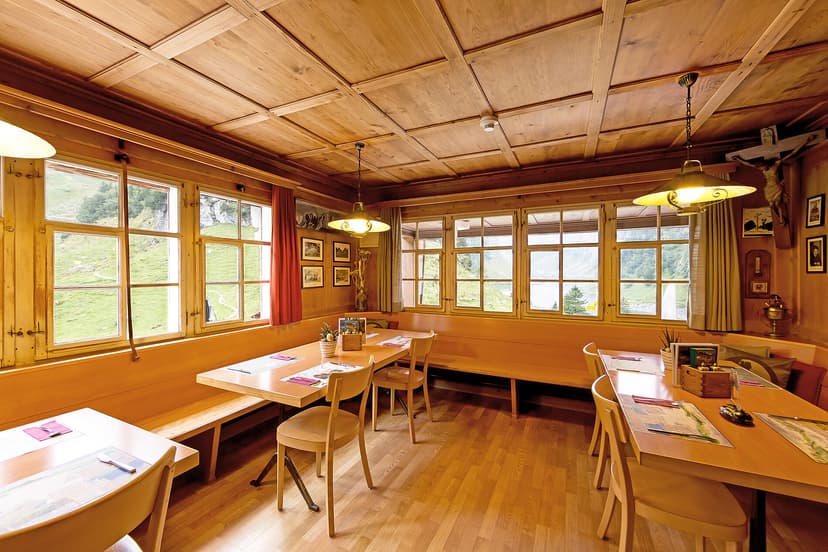
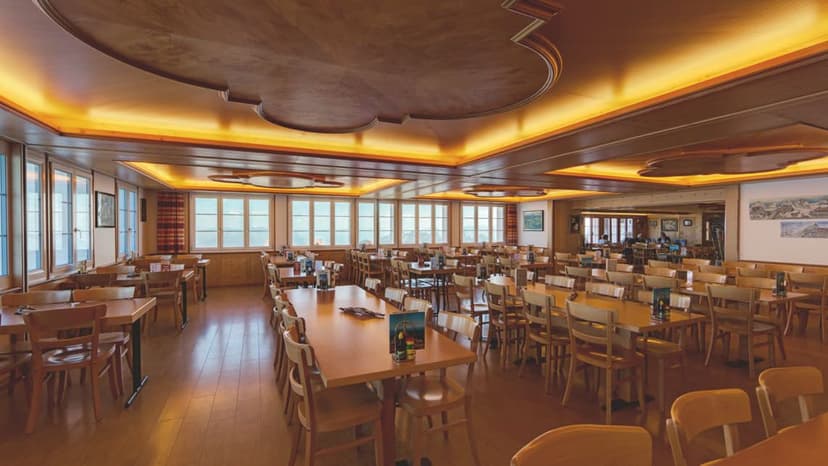
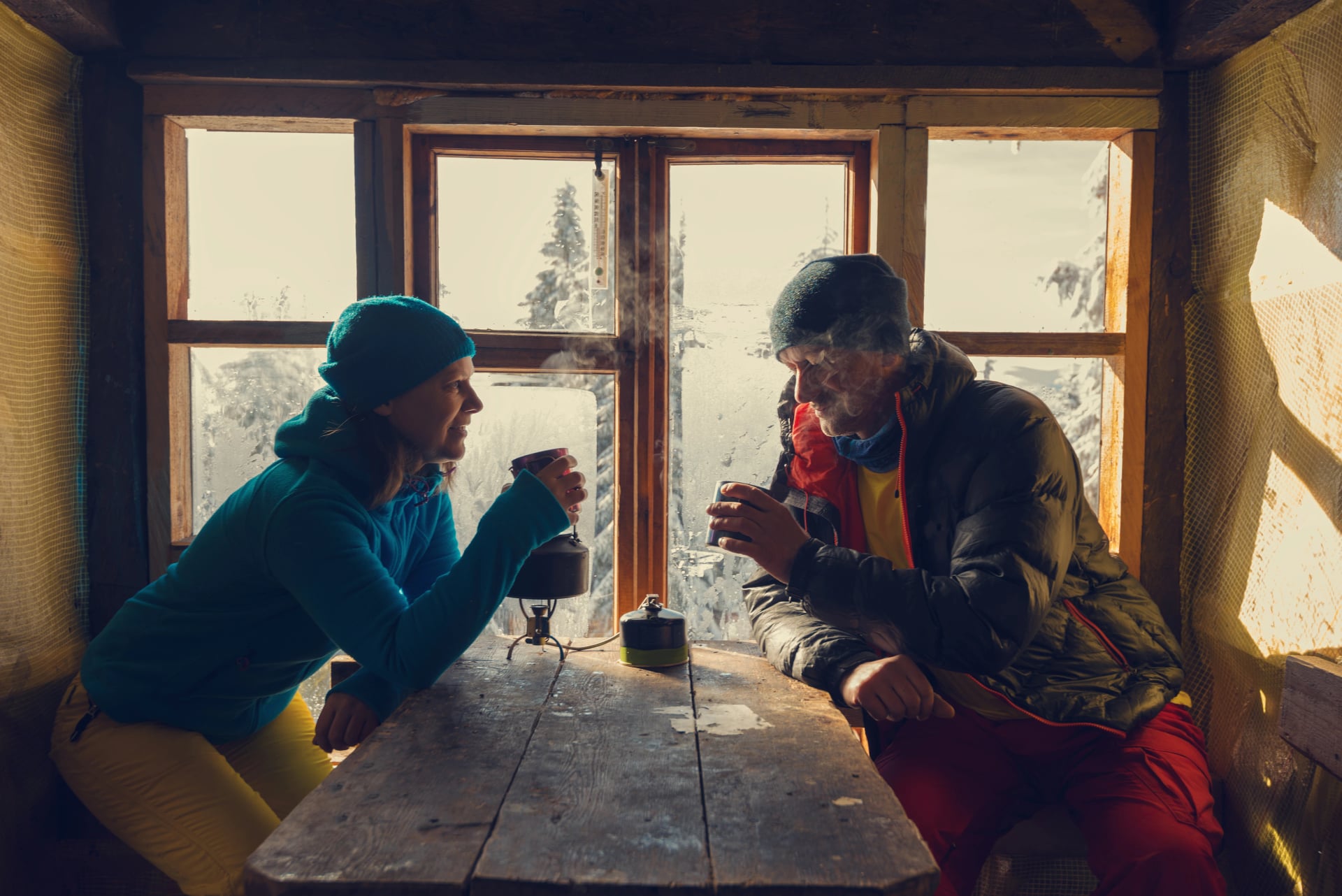
What huts do provide beyond the practical is the social atmosphere that defines hut-to-hut hiking. Dinner is served communally at long wooden tables. You'll swap trail stories with hikers from across Europe and start recognising the same faces night after night. By the third evening, the hut dining room feels less like a hostel and more like a travelling community.
For exactly what to pack knowing what huts do and don't provide, see our Haute Route packing list.
A Typical Day at a Swiss Mountain Hut
Mountain huts run on a fixed rhythm. Knowing it in advance makes your first night much smoother.
2:00–4:00 PM — Arrival window. Check in with the warden, get your bunk assignment, swap hiking boots for hut shoes in the boot room (Schuhraum), and stash your pack. No one wears dirty boots inside a Swiss hut.
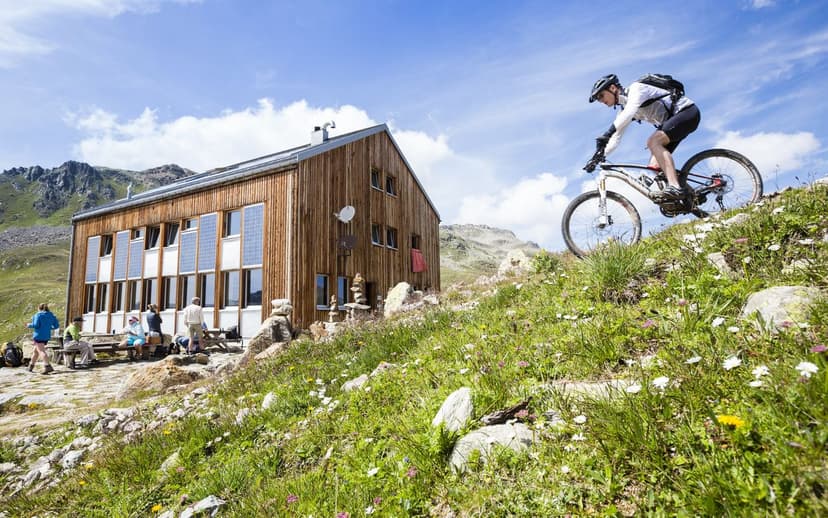
Afternoon — Terrace time. Order a drink, stretch, dry your gear. This downtime is part of the rhythm of hut-to-hut hiking — resist the urge to rush it.
6:00–7:00 PM — Dinner service. Be seated when dinner starts — the kitchen won't wait. Dinner is typically a hearty three-course affair: soup, a main (often Rösti, pasta, or polenta), and dessert.
10:00 PM — Hüttenruhe (quiet hours). Lights out. Respect this completely — pack your bag the night before so you're not rustling through it at 5 AM.
6:00–7:30 AM — Breakfast, pack up, settle your bill for extras, and hit the trail. Most hikers are walking by 8:00 AM. For a deeper look at what a full day of hiking in Switzerland actually looks like, see what a Swiss day on a hike looks like.
For a full hour-by-hour account of what a day on a Swiss hut trek actually looks like from breakfast to lights out, read our Switzerland hiking itinerary guide.
Where to Stay in Switzerland's Hiking Regions
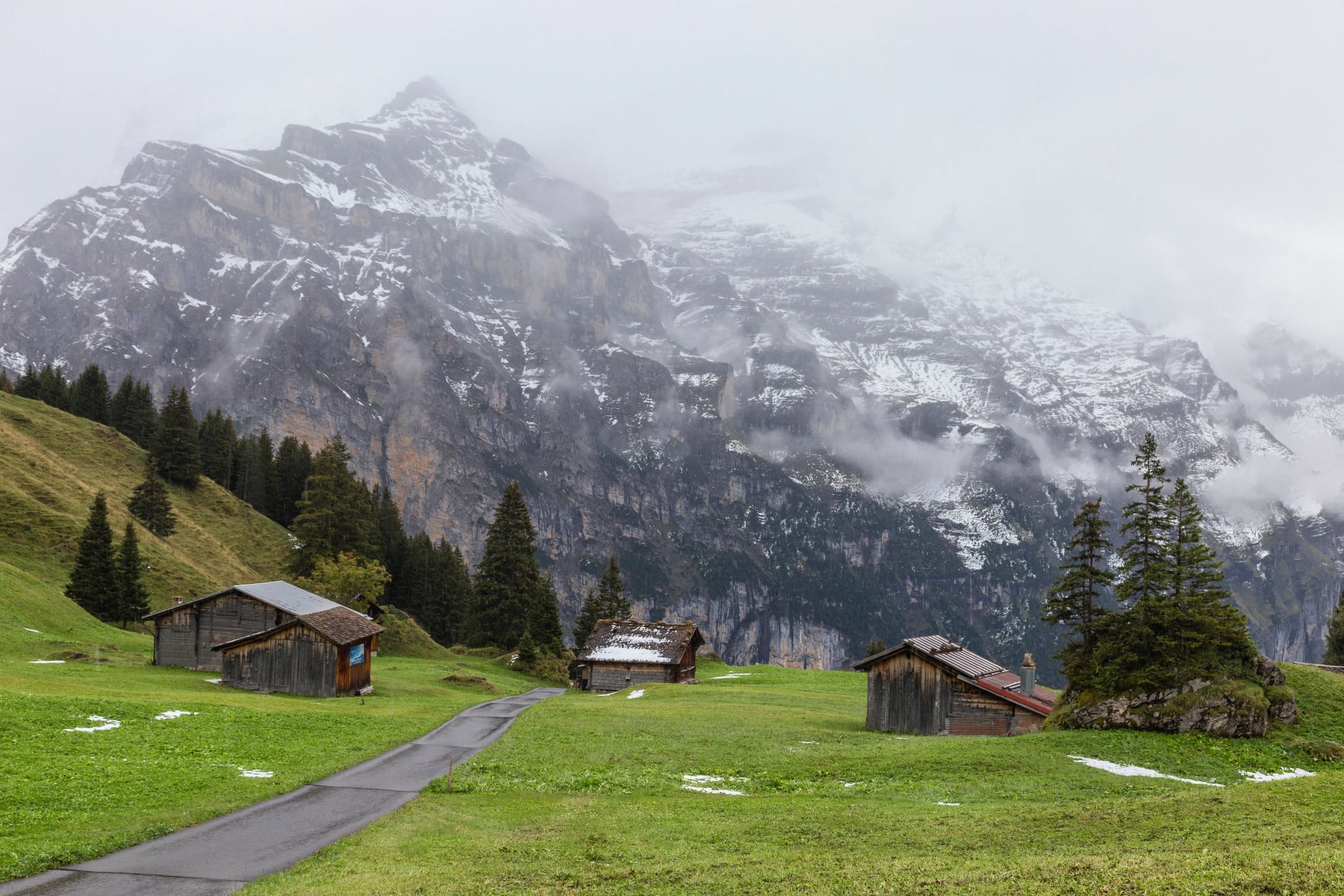
Switzerland's hiking regions each have their own character, and the accommodation reflects it. What follows are 16 standout stays — a deliberate mix of SAC huts, Berghotels, and historic mountain guesthouses — chosen for exceptional locations, memorable atmospheres, and the kind of nights you'll still be talking about years later.
1. Bernese Oberland
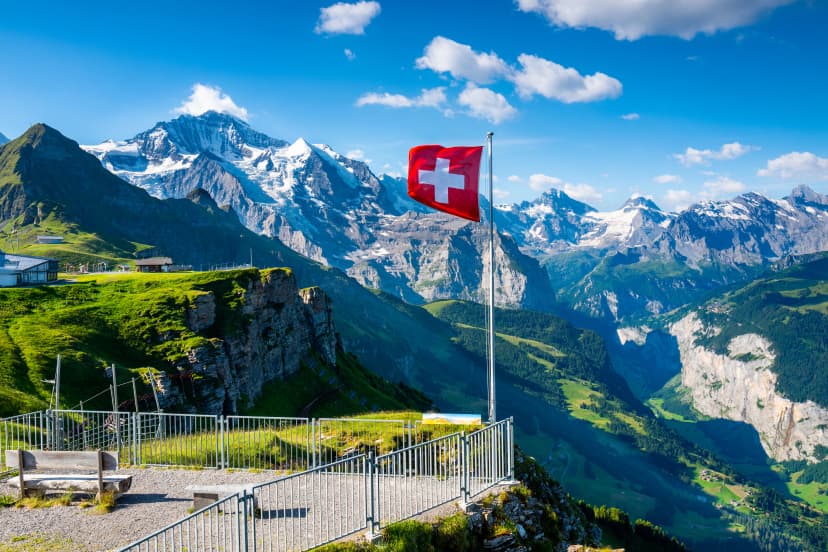
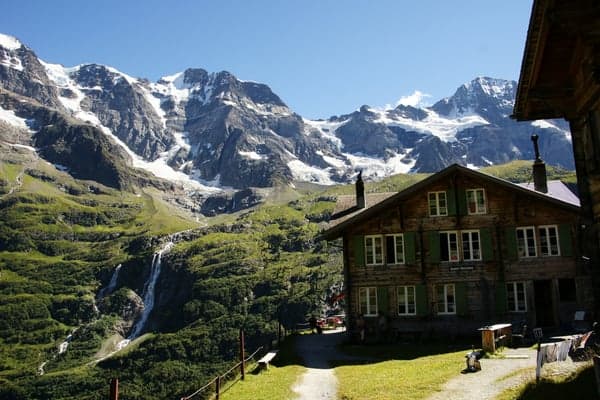
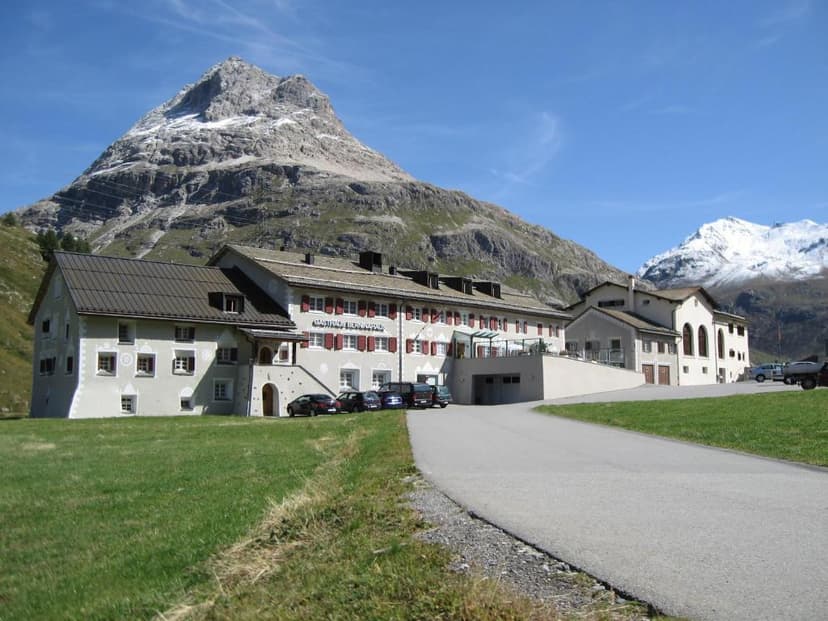
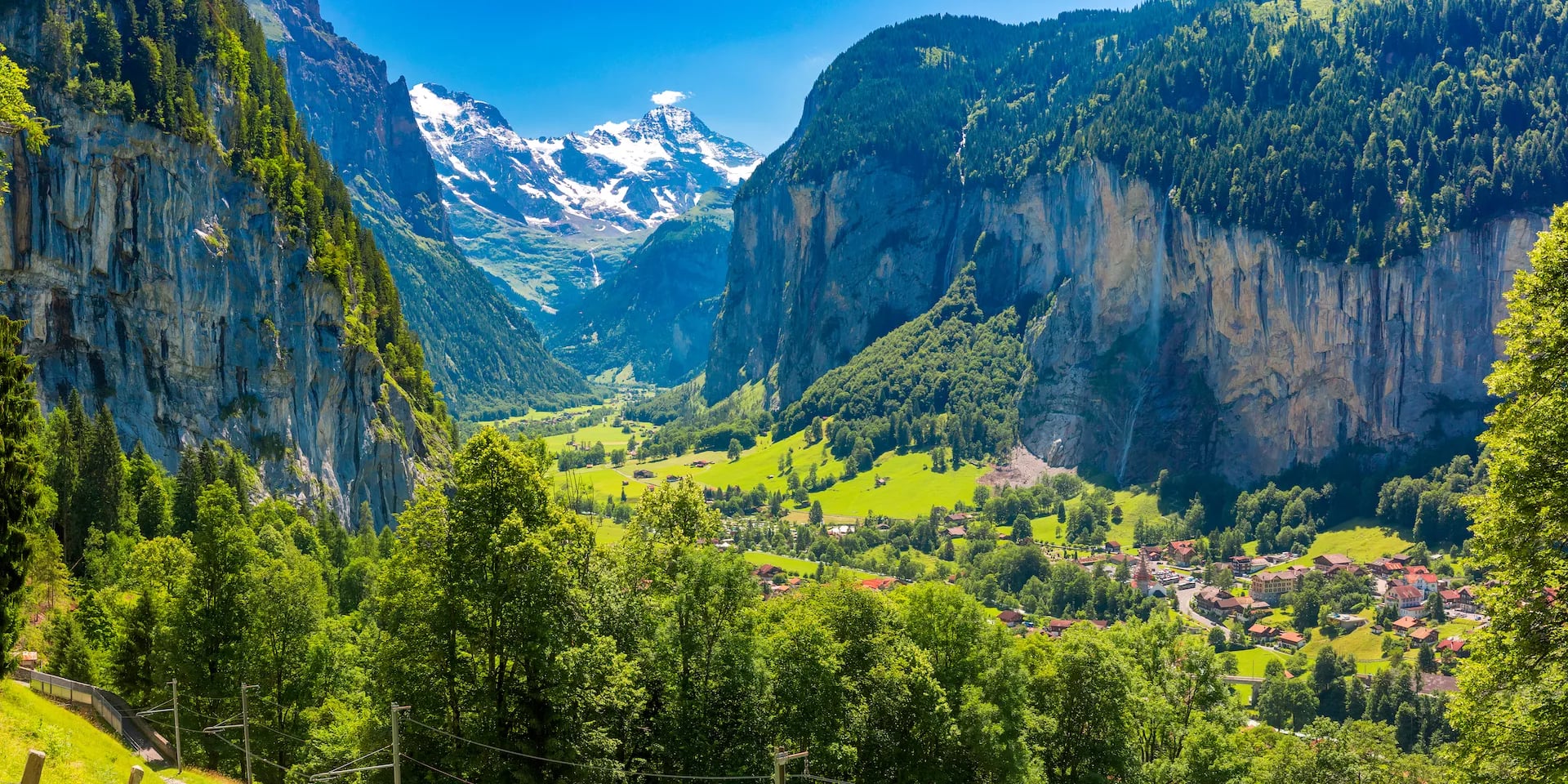
The classic Swiss postcard. The Eiger, Mönch, and Jungfrau dominate the skyline, and well-maintained trails thread between Grindelwald, Lauterbrunnen, and Kandersteg. This is Via Alpina territory — the most popular long-distance trail in the country passes through here — and the accommodation infrastructure matches the demand. Season runs June through October, with July and August busiest.
2. Valais & the Pennine Alps
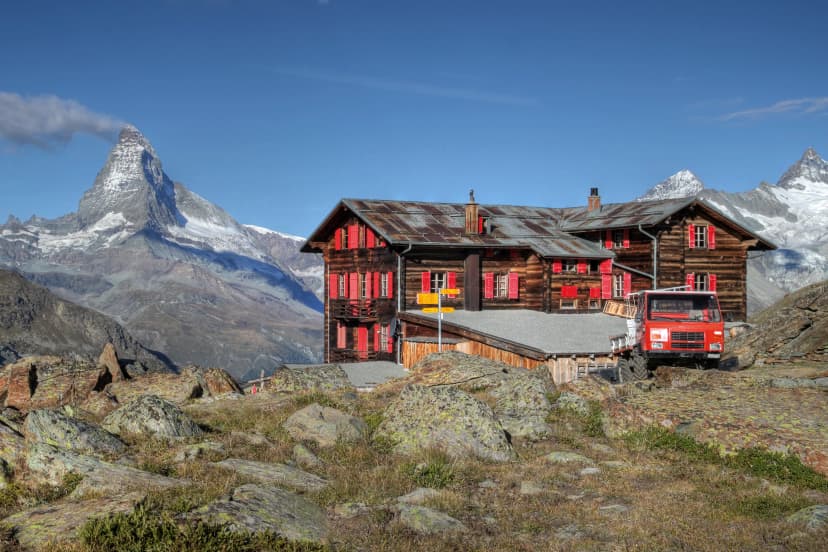
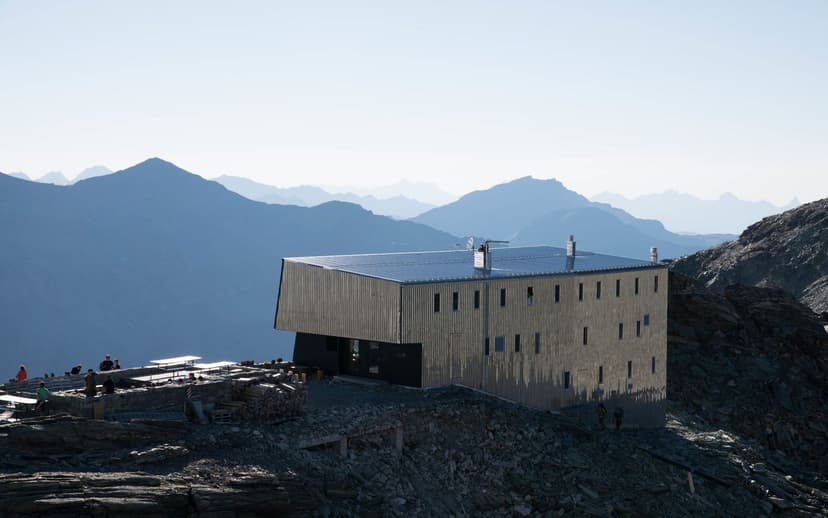
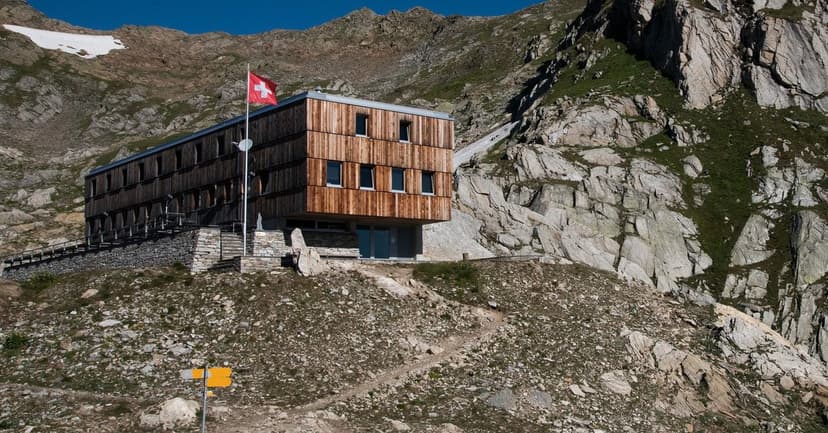
Switzerland's highest and most dramatic mountain landscape. The Matterhorn, Monte Rosa, Grand Combin, and over forty 4,000-metre peaks define this region. Accommodation tends to sit higher than in other parts of the country, with SAC huts at 2,500–3,200 m serving the Walker's Haute Route and other high-altitude traverses. The season is shorter here — reliably snow-free from early July through mid-September — and booking pressure is intense in peak summer. For a detailed breakdown of conditions month by month, see our weather guide for hiking in Switzerland.
For a first-hand account of what staying in these specific huts is like, read our huts on the Haute Route blog.
3. Graubünden & the Engadine
Switzerland's largest canton and its most culturally distinct — Romansch is still spoken in parts of the Engadine. The landscape is drier and sunnier than the Bernese Oberland, with wide larch forests, turquoise lakes, and far fewer hikers. The Kesch Trek, one of Switzerland's finest multi-day routes, runs through here. Season extends from mid-June through October.
4. Central Switzerland & the Gotthard Region
The crossroads of the Alps. Four major rivers begin within kilometres of each other near the Gotthard Pass. Cross south into Ticino and the culture shifts: Italian-speaking hut wardens, polenta on the menu, granite rather than limestone. Trails here are quieter than in the Bernese Oberland. Season runs June through October.
5. Appenzell & the Alpstein
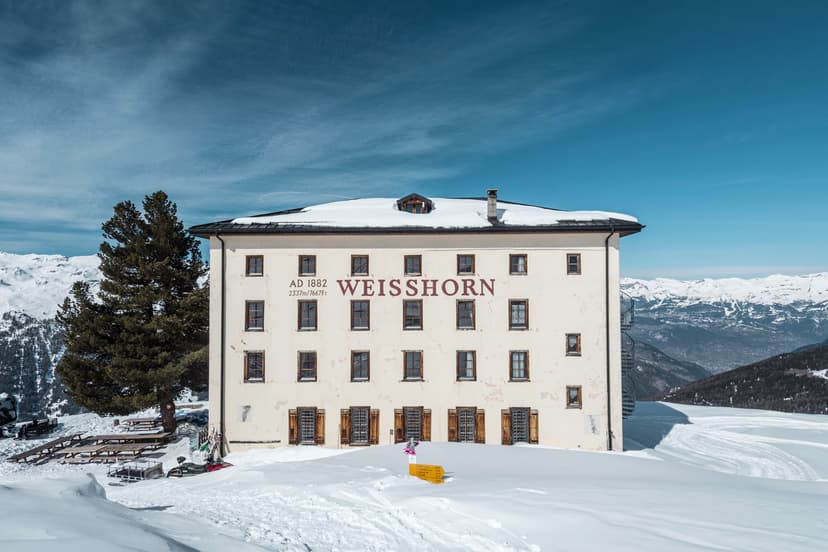
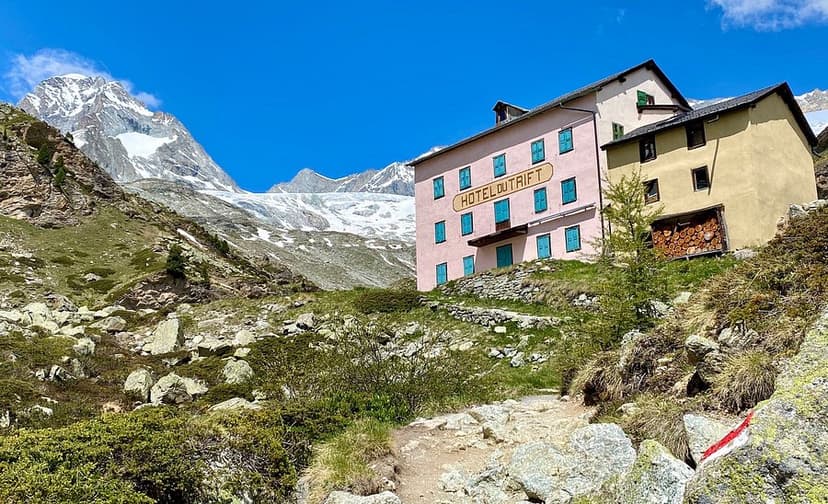
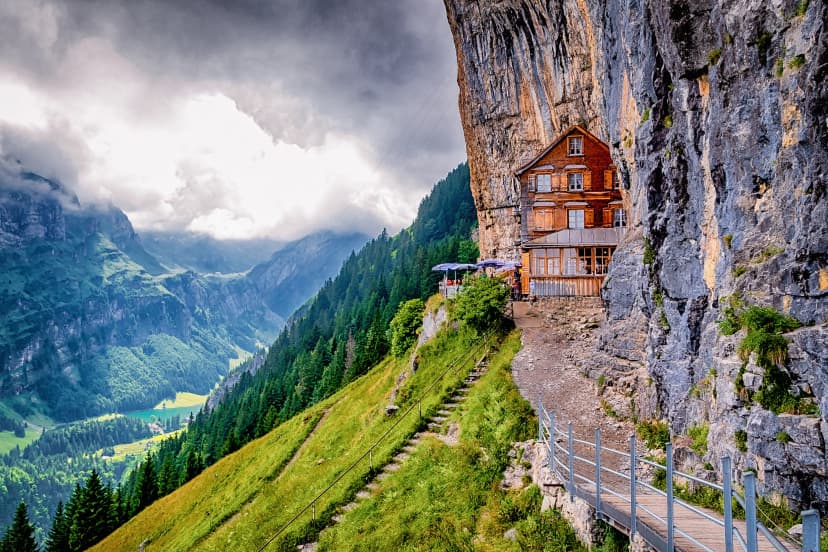
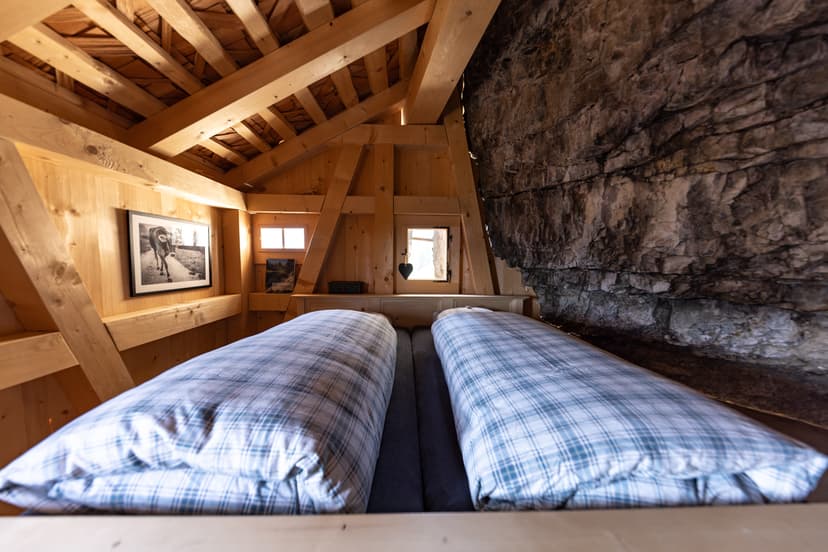
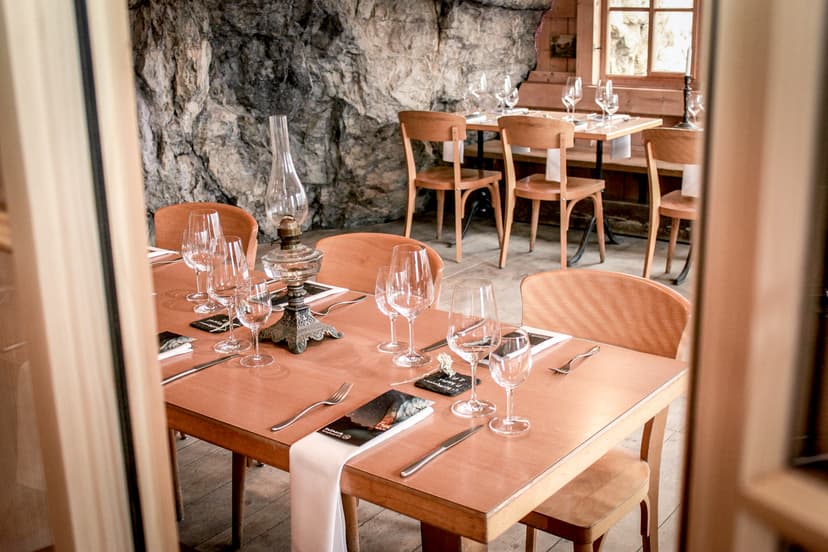
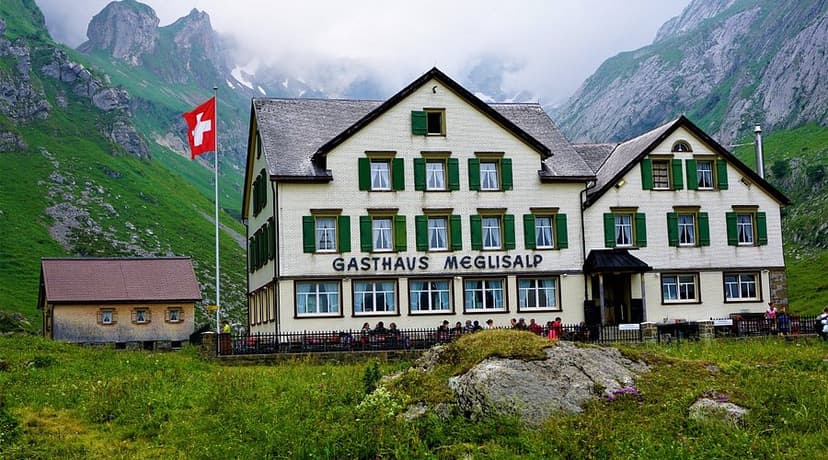
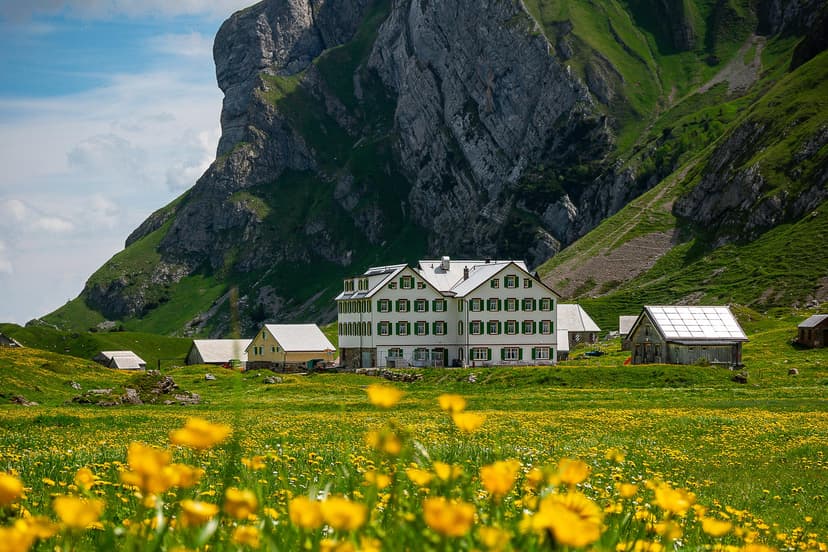
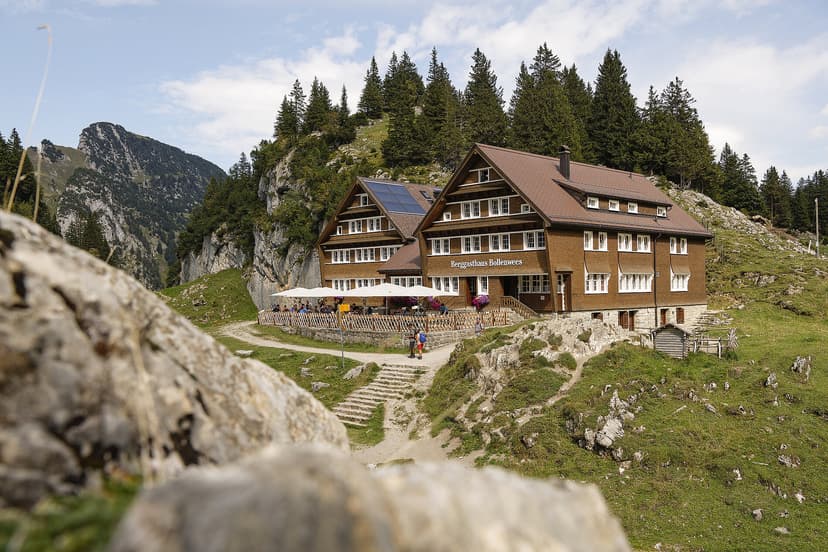
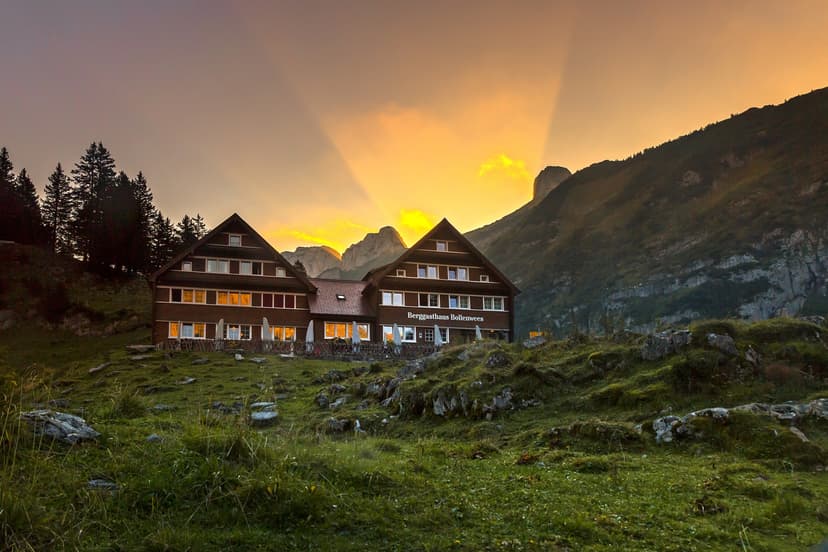
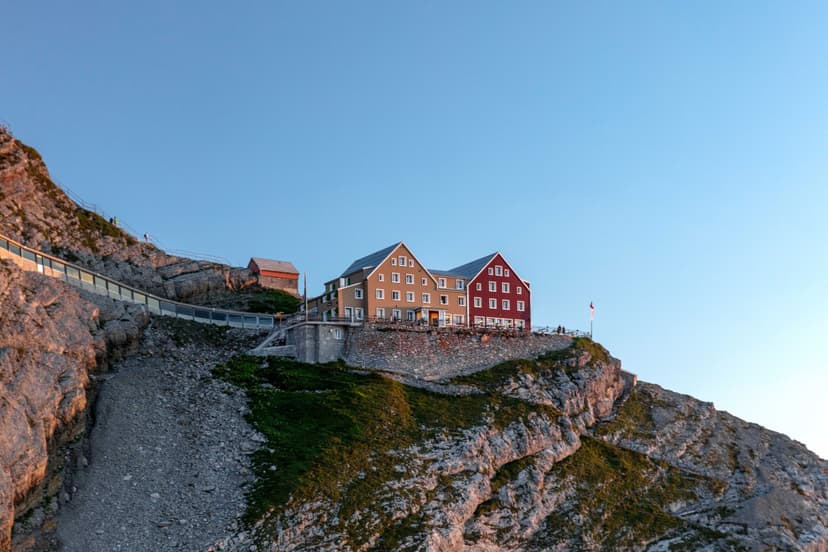
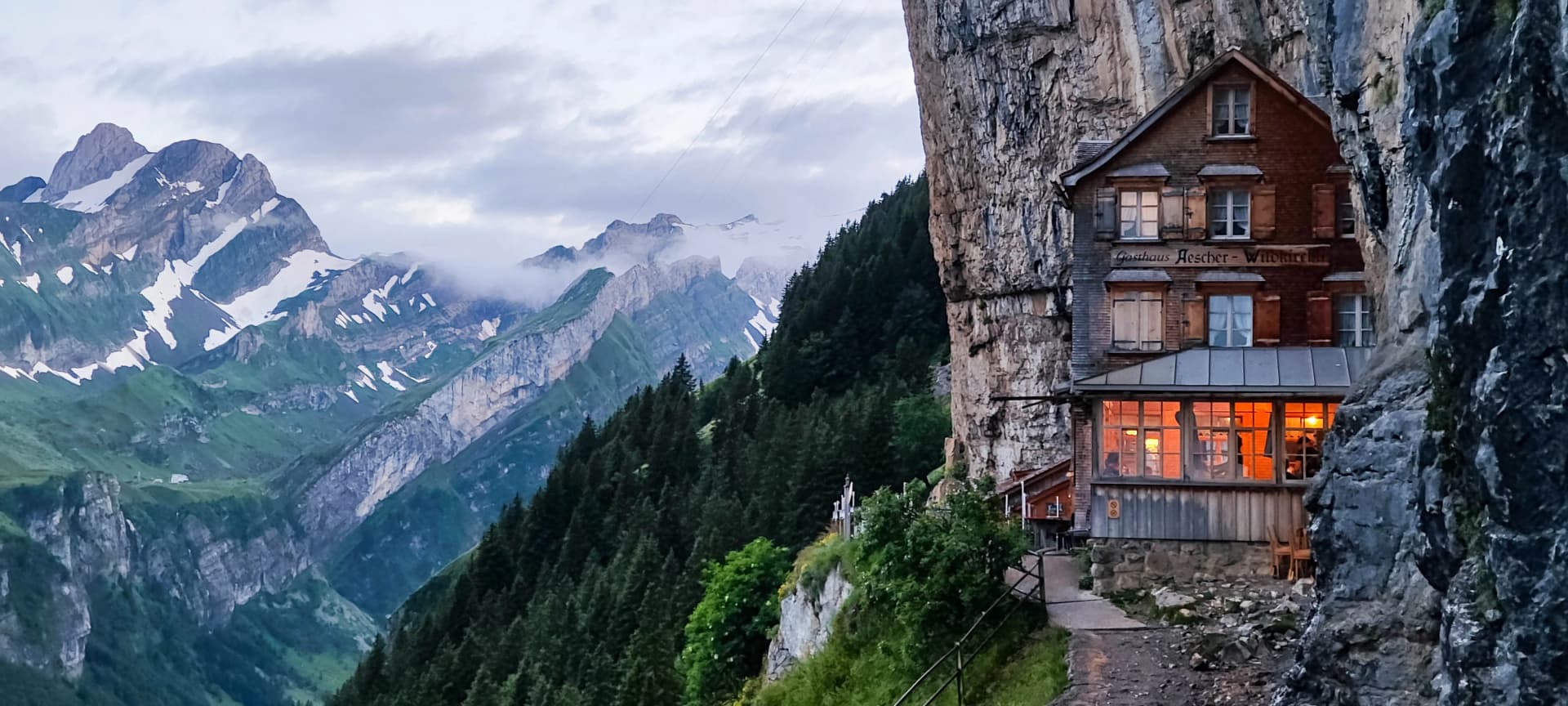
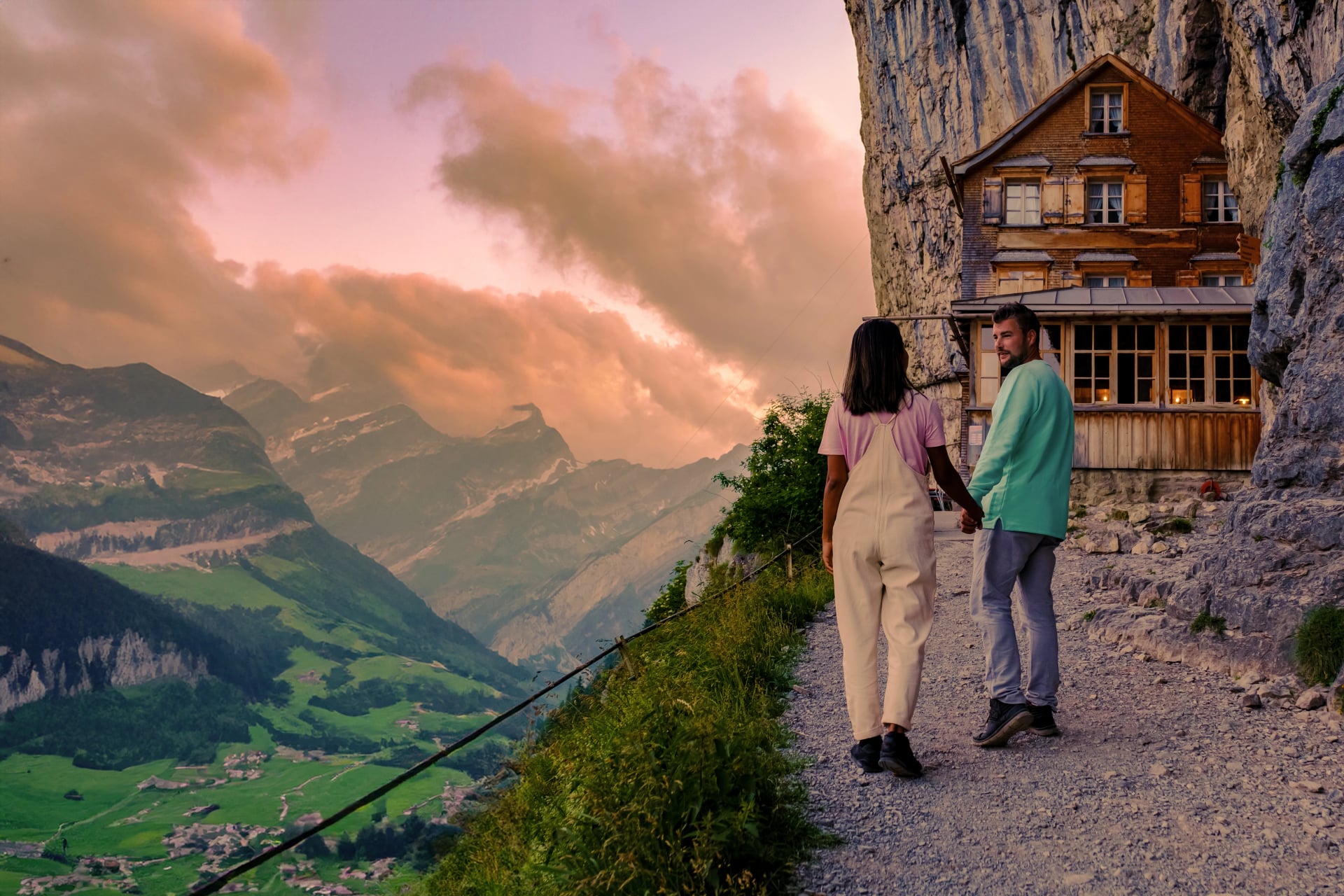
A compact limestone massif in northeastern Switzerland, reachable in under two hours from Zürich. The Alpstein is famous for its cliff-face guesthouses built into rock walls and perched on exposed ridges, and for a hiking culture that centres on these establishments rather than SAC huts. The accommodation here is among the most distinctive in the Alps. Season runs June through October, with autumn colours in September a particular highlight.
Mountain Hut Etiquette Rules
Swiss mountain huts run on shared norms that keep communal living pleasant. None of this is complicated, but knowing the expectations makes your first hut night much smoother.
The boot room comes first. When you arrive, go straight to the Schuhraum, swap your hiking boots for hut shoes or sandals, and leave your boots to dry. No exceptions — tracking mud through a mountain hut is the fastest way to mark yourself as a novice.
Hüttenruhe means silence. Quiet hours begin at 10:00 PM and the expectation is absolute. Pack your daypack the night before, lay out your clothes, and have your headlamp accessible. Nothing frustrates fellow hikers more than someone rustling through a dry bag in a dark dormitory at 5:30 AM. If you're leaving early, prepare everything the evening before and move through the dormitory in silence.
Bring a sleep sheet or sleeping bag liner. SAC huts provide blankets and pillows but not sheets. A lightweight silk or cotton liner is mandatory for hygiene — most huts will insist on it, and some will charge you to rent one if you've forgotten yours.
Meal times are fixed and non-negotiable. If dinner is at 6:30 PM, be at the table at 6:30 PM. The hut kitchen runs on a single service — there's no second sitting and no option to eat later. Breakfast works the same way. Missing a meal you've paid for is your loss.
Settle extras before you leave. Drinks, snacks, and coin-operated showers are not included in the half-board rate. Pay for these at the bar before departure — most huts above 2,500 m are cash-only, so carry enough Swiss francs to cover your extras.
Respect the warden's guidance. The Hüttenwart knows the local conditions better than anyone. If they advise against a particular route due to weather, snow, or trail damage, take that seriously. Hut wardens have been watching the same mountain for years and their judgment is invaluable.
SAC membership saves money. If you're a member of any alpine club with UIAA reciprocal rights (this includes the UK's Alpine Club, the Austrian Alpine Club, the German Alpine Club, the French CAF, and many others), you receive a discount of roughly CHF 20–30 per night at SAC huts. Bring your membership card — wardens will ask for it.
Booking Tips & Practical Logistics
1. When to Book
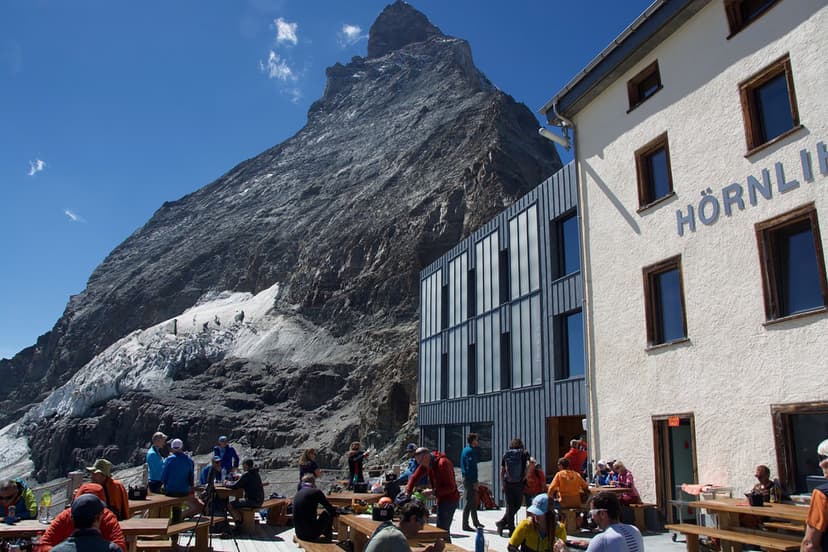
Peak season runs from mid-July through mid-August, and popular huts on the Haute Route, Via Alpina, and Alpstein routes can fill 2–4 weeks in advance. A few high-profile huts — Hörnlihütte, Mönchsjochhütte, Cabane de Moiry — require booking even earlier in July and August. September is significantly easier, and you'll often find same-day availability at all but the most popular huts.
Weekends are tighter than midweek at every time of year. If your schedule allows flexibility, starting a trek mid-week rather than Saturday dramatically improves availability.
2. How to Book
Most SAC huts now accept bookings through the SAC online reservation system or directly via the hut's own website. Phone and email remain the most reliable methods for smaller or family-run Berggasthäuser — some of these don't appear on any booking platform. When booking by email, include your dates, number of people, any dietary requirements, and whether you hold an alpine club membership.
3. Payment and Cash
Many huts above 2,500 m are cash-only. Carry CHF in notes and coins — card terminals depend on mobile signal, which is unreliable at altitude. Valley hotels and lower-elevation Berggasthäuser accept cards almost universally.
4. Cancellation
SAC huts generally expect 3+ days' notice for cancellations. No-shows may be charged the full half-board rate. Weather cancellations are typically accepted without penalty — wardens understand the mountains — but call or text as early as possible so they can release your bed.
5. Dietary Requirements
Vegetarian meals can be arranged at most huts if you communicate at the time of booking. Vegan, gluten-free, or other specific dietary needs are harder to accommodate at altitude — notify the hut well in advance and bring backup snacks regardless. The higher and more remote the hut, the more limited the kitchen's flexibility.
6. Useful Resources
For trail mapping and hut locations, SchweizMobil is the definitive planning tool. For altitude-specific weather forecasts, MeteoSwiss provides 3-day Alpine data essential for hut-to-hut planning.
7. Skip the Logistics Entirely
Booking huts individually — by phone, email, and a patchwork of websites in three languages — is doable, but it adds hours of planning to every trip. Our self-guided tours handle all accommodation reservations, detailed route notes, GPS navigation, and 24/7 on-trail support so you can focus on the hiking rather than the admin. Luggage transfers between stops are available as an optional extra. One booking, everything sorted - send us an inquiry to get started.
Matching Accommodation to Your Trip Style
Each accommodation type suits a different kind of trip. This comparison helps you decide how to balance comfort, cost, and mountain immersion.
If you're choosing between the Haute Route and the TMB partly based on accommodation style, our route comparison breaks down exactly how they differ.
SAC Huts | Berghotels & Berggasthäuser | Valley Hotels | |
Elevation | 2,000–3,500 m | 1,400–2,500 m | 500–1,600 m |
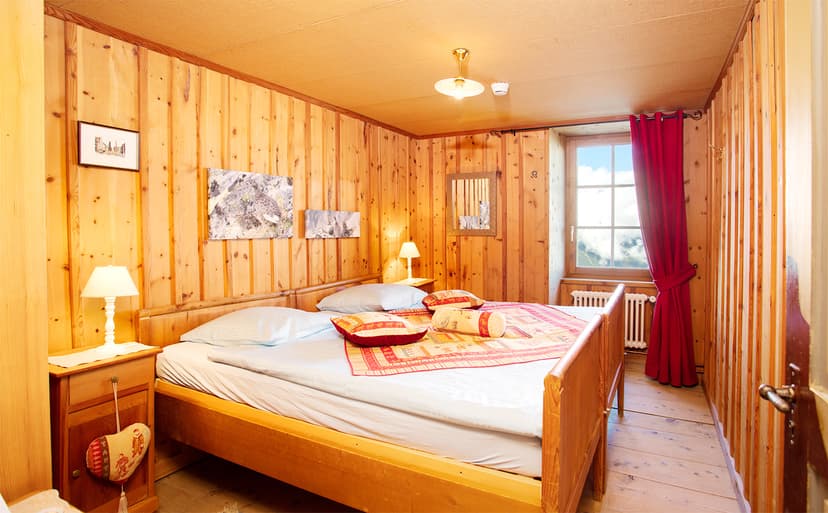
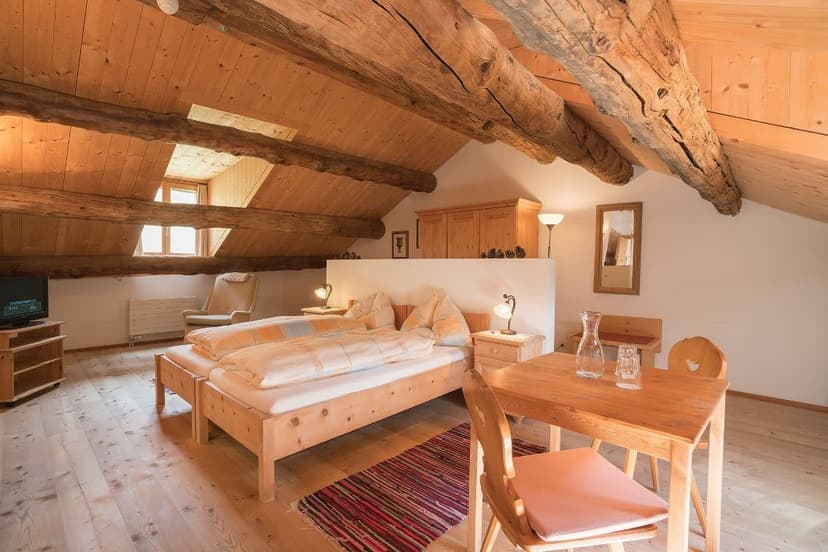
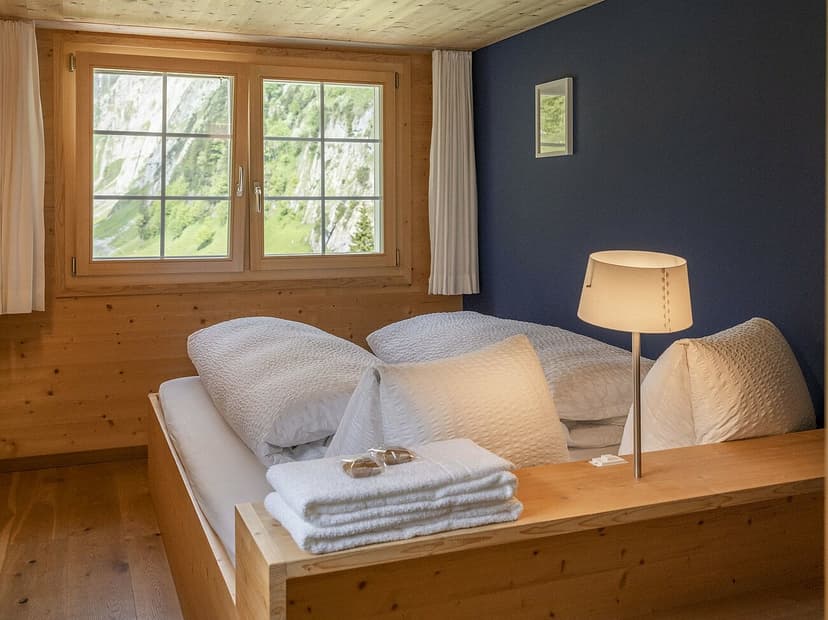
Rooms | Dormitories (shared bunk rooms) | Private rooms standard, some dorms | Private rooms with en-suite bathrooms |
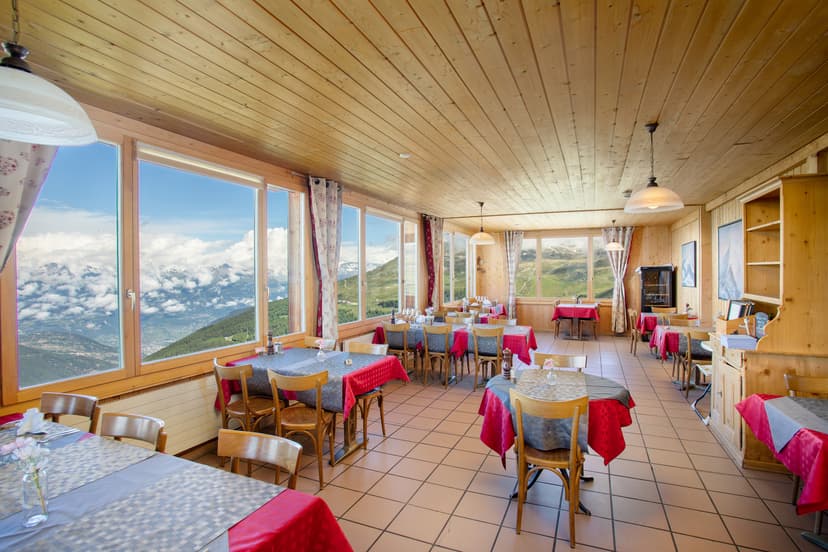
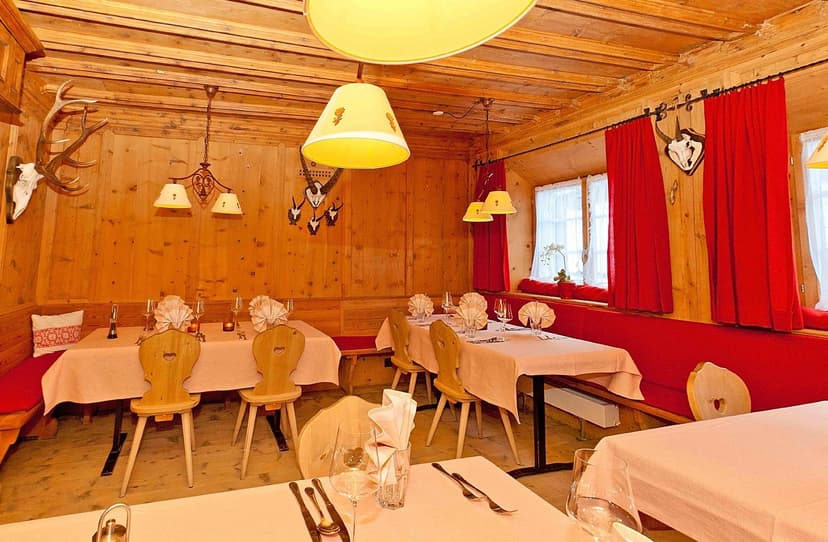
Meals | Half-board (dinner + breakfast), communal | Half-board or à la carte, sit-down restaurant | Full restaurant, flexible meal times |
Showers | Cold water or coin-operated (CHF 2–5); some have none | Hot showers standard | Full bathroom amenities |
Price range | CHF ~70–130/night (half-board) | CHF ~120–220/night (half-board) | CHF ~150–300+/night |
Atmosphere | Communal, social, functional | Comfortable, often family-run, regional character | Full-service, independent, town amenities |
Best for | Committed trekkers, high-route hikers, those wanting full mountain immersion | Hikers wanting comfort at altitude, couples, rest-day stops | Families, first-time Alpine visitors, acclimatisation, start/finish of treks |
Book ahead | 2–4 weeks in peak season | 1–2 weeks in peak season | Varies; popular towns fill in August |
Drawbacks | No privacy, limited showers, cash-only, fixed meal times | Fewer exist than SAC huts or valley hotels; harder to find on some routes | Not at altitude — you lose the "wake up in the mountains" experience |
The most rewarding trips often blend all three types. Start with a valley hotel to acclimatise. Spend the core of your trek in SAC huts for the high passes and communal atmosphere. Drop to a Berghotel for a rest day with a proper shower. Finish with a valley hotel to celebrate. That's the pattern most experienced Alps hikers settle into — and it's exactly the kind of mix our team builds into every itinerary.
Our specialists gathered all the main hiking towns of switzerland in one guide, that shows all the main hiking towns in proximity to the main hiking routes from our offering.
Your Bed in the Mountains
Swiss hiking accommodation isn't just logistics — it's half the experience. The best nights on a trek aren't defined by thread count. They're the ones where you eat Rösti at 2,800 metres with hikers you met that morning, or watch the Matterhorn turn gold from a hut terrace, or fall asleep in a candlelit guesthouse with no electricity and no desire for any.
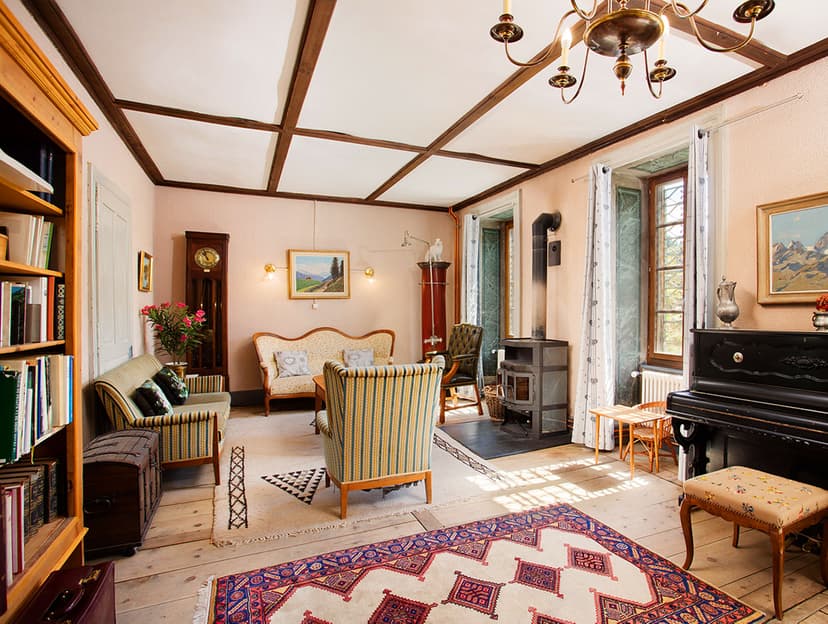
Whether you want a dormitory bunk beneath a glacier or a five-course dinner in a Victorian mountain hotel, the Swiss Alps have a bed waiting.
Ready to plan your trip? Browse our Swiss hiking tours to see the routes and accommodation we've built for every style. Have questions or want something tailored? Book a free meetingl — we'll match the right stays to the right route.



Plan with a hiking expert
Free advice from a team that knows these routes inside out - real people, not a bot

Hassle-Free
We handle itineraries, accommodations, and anything else you prefer not to deal with, so you can enjoy a carefree hike.

Book with confidence
We are a financially protected company, fully bonded and insured, keeping your money safe and allowing you to travel with confidence.

Tried & Tested Adventures
Only the best hut to hut hikes of Switzerland, cherry-picked by our local team with an in-depth knowledge of the region.

Unbeatable support
Our 24/7 customer support is where we show our passion, bringing you a better experience by making your well-being our number one priority.