Haute Route vs Tour du Mont Blanc - Which Trek Should You Choose?
A side-by-side comparison of the Walker's Haute Route and the Tour du Mont Blanc — difficulty, cost, scenery, and which trek suits your experience level.
Anja
Published March 26, 2026
Edited April 16, 2026
7 min read
Don't want to read all this?
We've planned 2,000+ hiking trips. Send your dates, fitness and group size — we'll map the route and book every night.



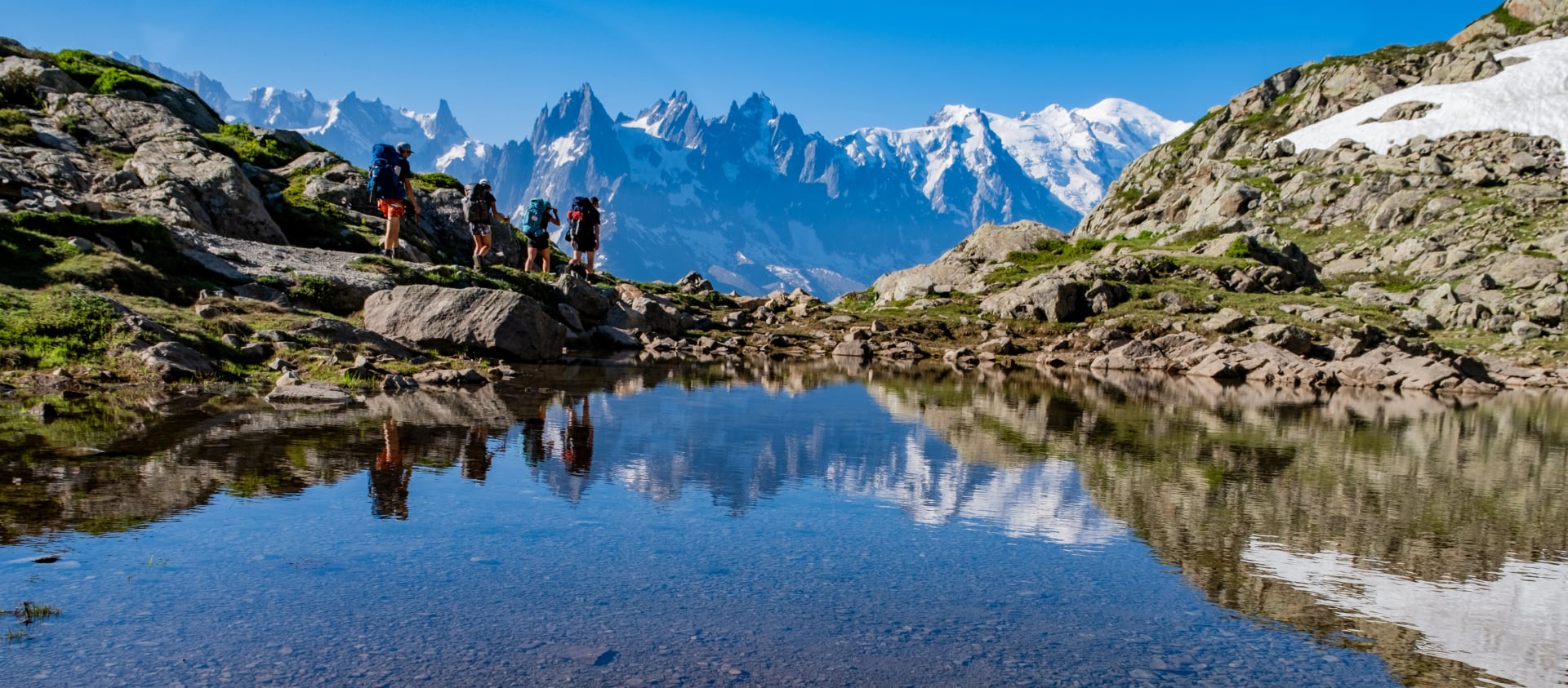
These are the two most famous multi-day hikes in the Alps. They start in the same town, they're both hut-to-hut treks, and they're both on every serious hiker's bucket list — but they're very different experiences. The Haute Route heads east into high-altitude Swiss wilderness; the TMB loops through three countries around Europe's highest peak. Choosing between them comes down to fitness, experience, time, and what kind of mountain landscape you want to wake up in every morning.
Haute Route: 14 days, ~180 km, ~12,000 m gain, Chamonix to Zermatt, T3
TMB: 10–12 days, ~170 km, ~10,000 m gain, loop around Mont Blanc, T2–T3
Both start in Chamonix but diverge after Day 1
Haute Route is harder — higher passes, more elevation per day, rougher terrain
TMB is more social — higher hiker volume, more refuge options, better-known internationally
This guide breaks down exactly how they differ so you can choose the right one. Once you've decided, browse our Switzerland hiking tours to see the Haute Route options we offer.
At a Glance
Walker's Haute Route | Tour du Mont Blanc | |
Route | Point-to-point: Chamonix → Zermatt | Loop: Chamonix → Chamonix |
Duration | 14 days | 10–12 days |
Distance | ~180 km | ~170 km |
Cumulative elevation | ~12,000 m | ~10,000 m |
Highest pass | Col de Torrent, 2,919 m | Col des Fours, 2,665 m |
Trail grading | T3 (exposed sections, ladders) | T2–T3 (well-graded, no technical) |
Countries | France, Switzerland | France, Italy, Switzerland |
Hut style | SAC huts + Swiss Berghotels | French refuges, Italian rifugios, Swiss huts |
Daily elevation gain | 800–1,400 m | 600–1,000 m |
Crowds | Moderate | High (especially July–August) |
Best season | July–September | June–September |
Starting fitness | Strong — 7+ hour days, 1,200 m gain | Moderate — 5–7 hour days, 800 m gain |
Difficulty — The Biggest Difference
This is the single most important distinction between the two treks, and it's not close.
The Haute Route is significantly harder than the TMB on almost every metric. Passes are higher — the Col de Torrent (2,919 m) and Col de Riedmatten (2,919 m) are over 250 m above anything on the TMB. Daily elevation gain averages 800–1,400 m compared to 600–1,000 m on the TMB.
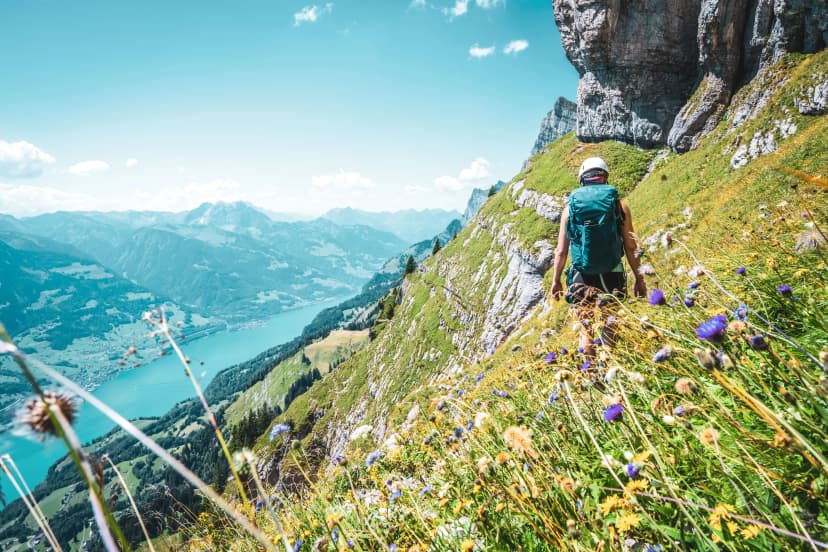
The terrain is rougher: loose scree, unmarked moraine sections, and the Pas de Chèvres ladders — a near-vertical descent on metal rungs bolted into rock — which has no equivalent anywhere on the TMB circuit. Several Haute Route stages run 7–8 hours with minimal bail-out options between huts, meaning you're committed once you start the day's climb.
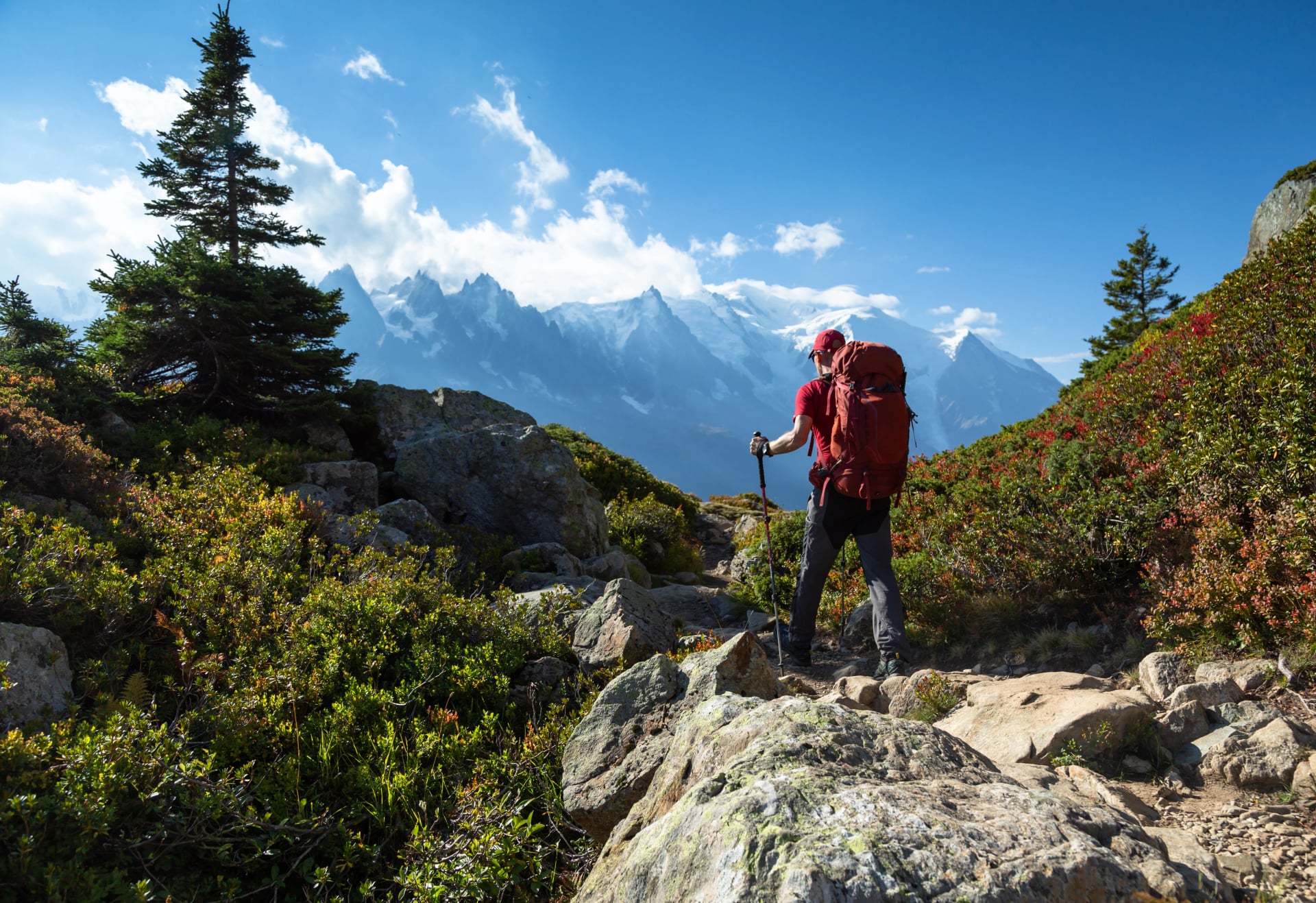
The TMB is a demanding trek by any standard — it's not easy, it's just easier than the Haute Route. The passes are well-graded, the trails are wider and more maintained, and valley access points appear more frequently, giving you options to shorten a stage or take a rest day in a village.
First-time Alpine trekkers with reasonable fitness can complete the TMB. The Haute Route should be attempted by hikers with previous multi-day experience who are confident on exposed terrain and sustained long days. For gear that applies to both routes, see our packing guide.
Scenery — Different Mountains, Different Character
This isn't a question of better or worse — they show you different versions of the Alps.
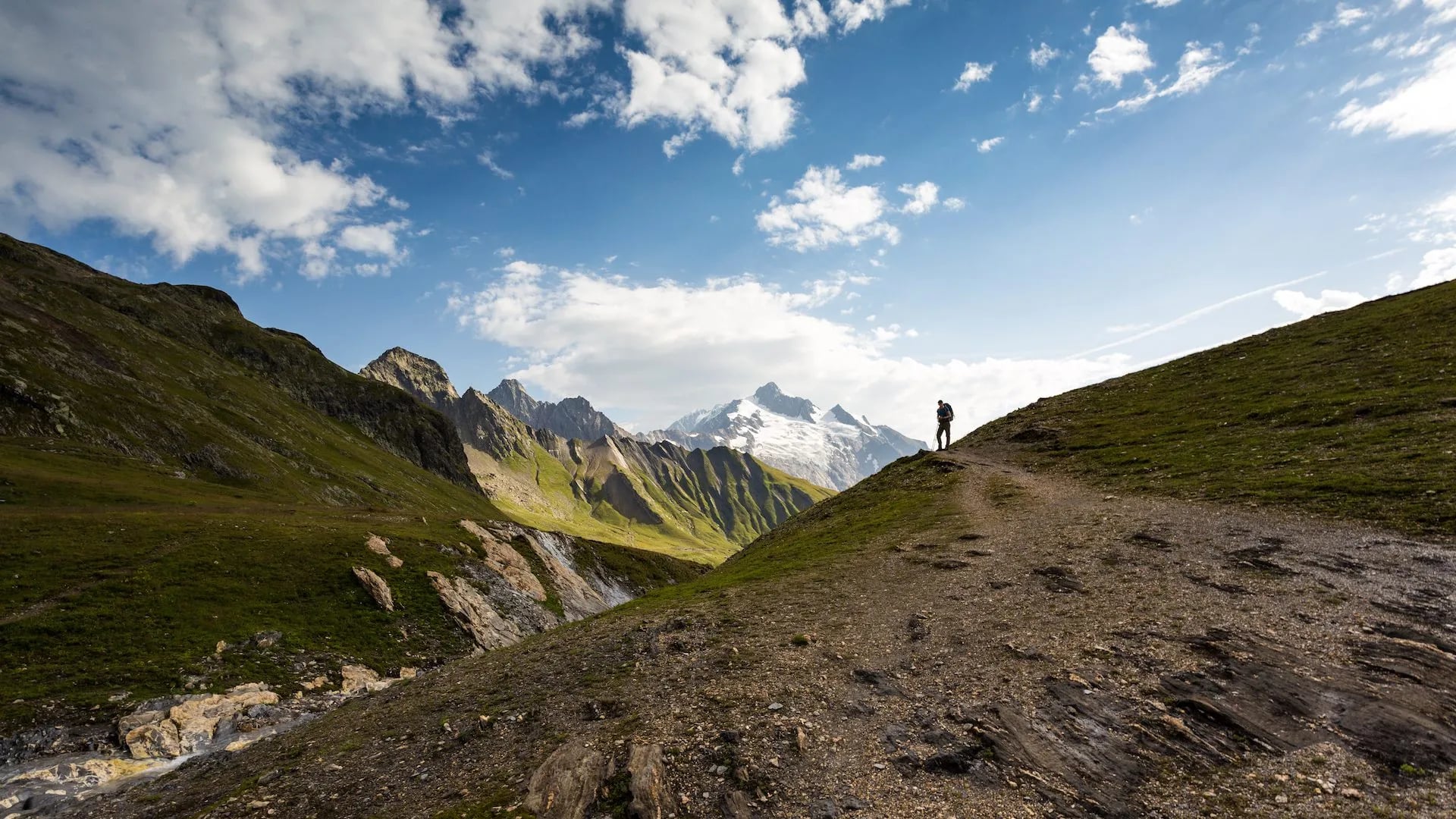
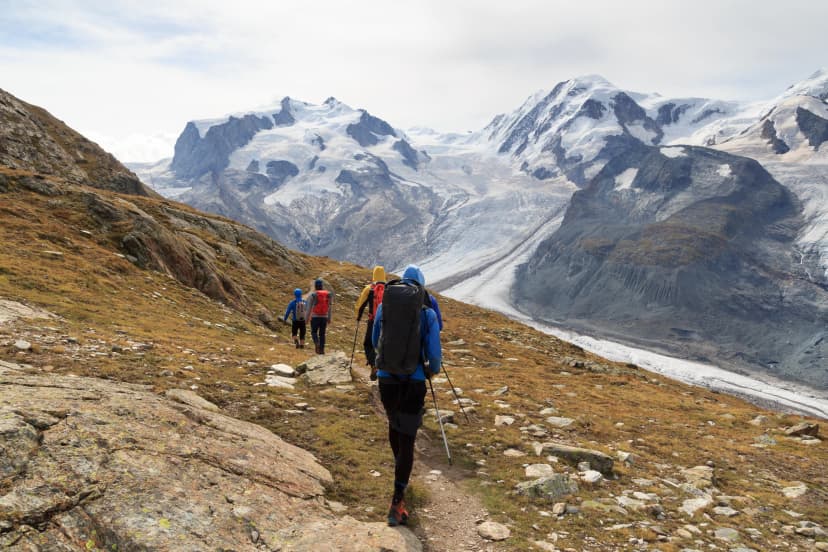
The Haute Route is the wilder, lonelier trek. You're above 2,500 m for large portions of each day, crossing remote cols with glacier views and 4,000 m peaks on the horizon in every direction. The landscape is raw, glaciated, and austere. Villages are sparse — some stages have no habitation between huts.
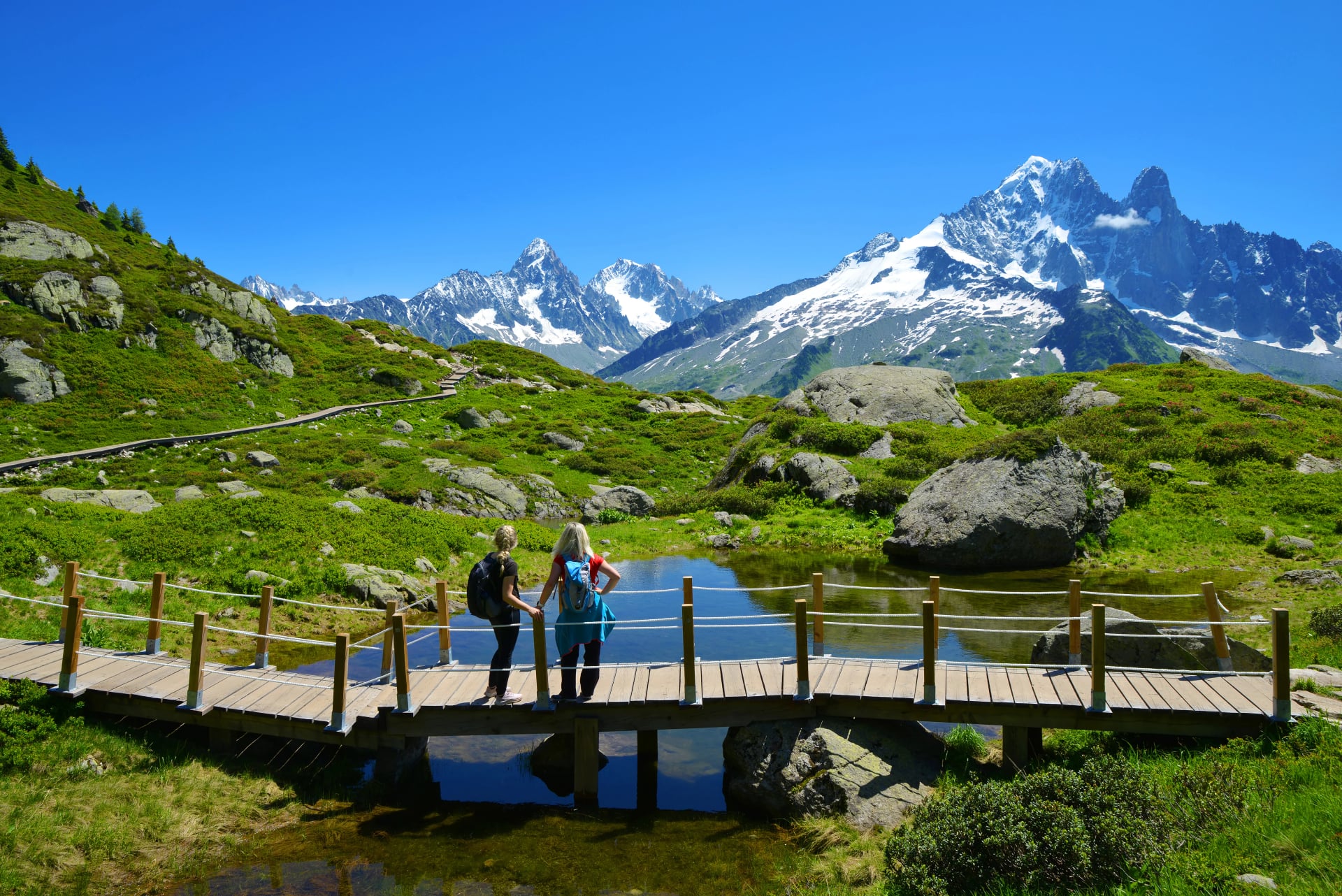
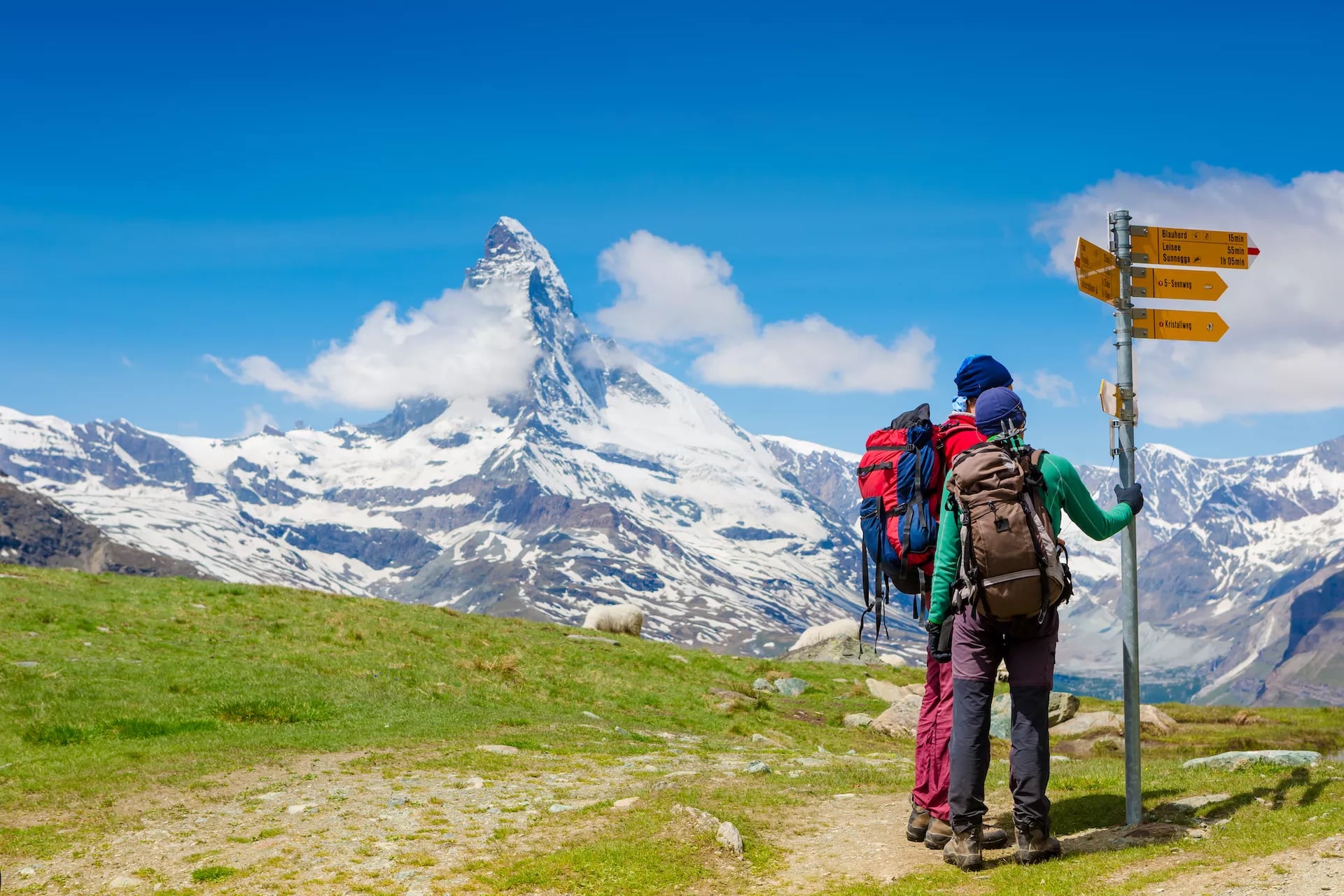
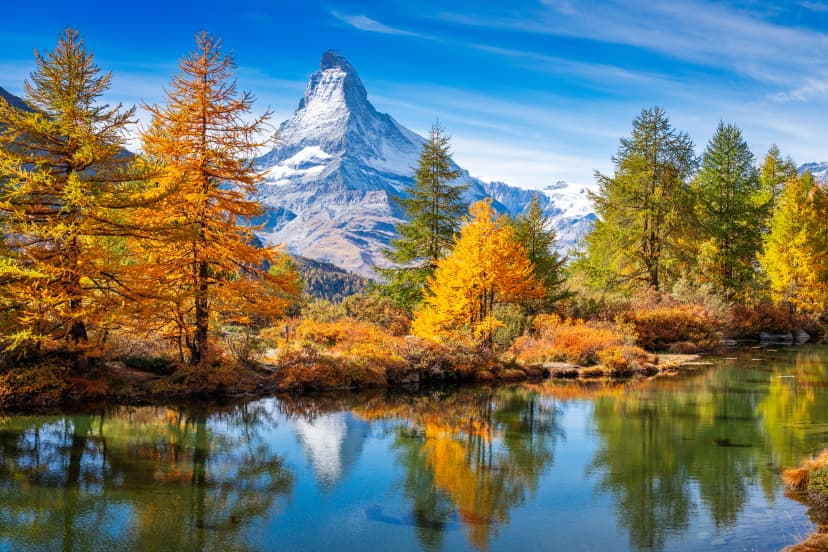
The emotional arc of the route is the Matterhorn growing larger over the final days, culminating in the walk into Zermatt on Day 14. If you want high-altitude immersion and genuine remoteness, the Haute Route delivers it more consistently than any other trek in the Alps.
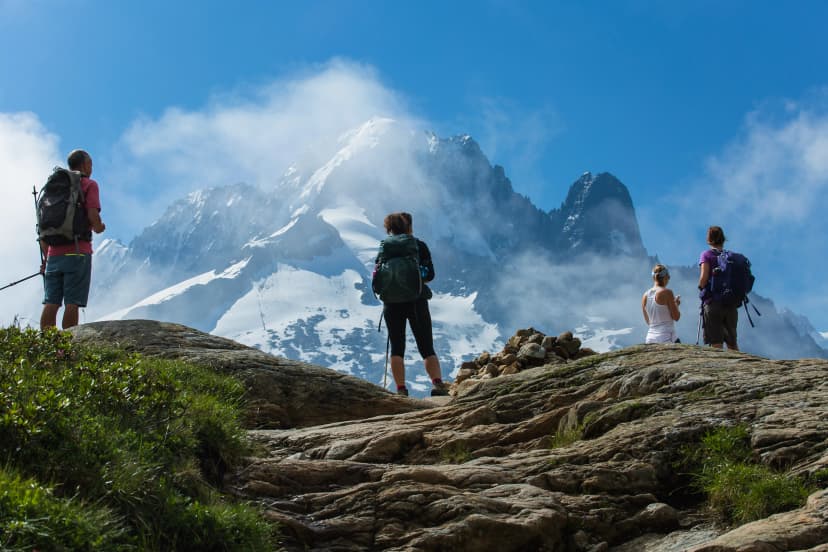
The TMB is the more varied, more accessible trek. You loop through French, Italian, and Swiss Alpine villages, dropping into valleys with cafés and gelato between passes. The scenery alternates between high passes and green valley floors — Mont Blanc is the constant presence but you're rarely above 2,500 m for long. The cultural shifts between France, Italy, and Switzerland add variety that the single-country Haute Route can't match.
Accommodation and Food
Haute Route
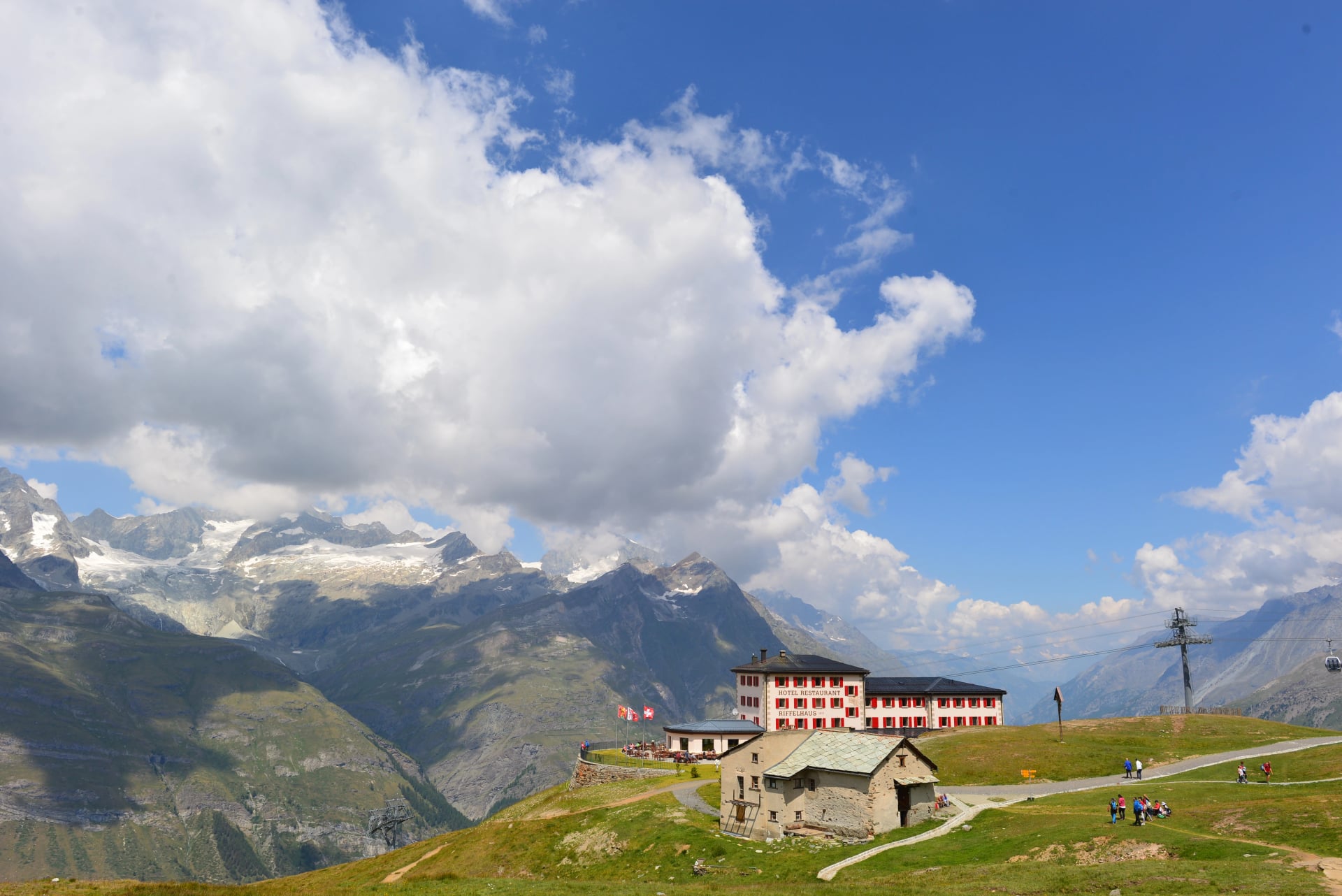
Mix of SAC mountain huts (dormitories, half-board, functional) and occasional Swiss valley hotels
Hut food is hearty and honest — soup, Rösti, polenta, dessert — but not the reason you're here
Cash-only above 2,500 m
Fewer options per stage — you stay where the route puts you, with limited flexibility to change plans mid-day
TMB
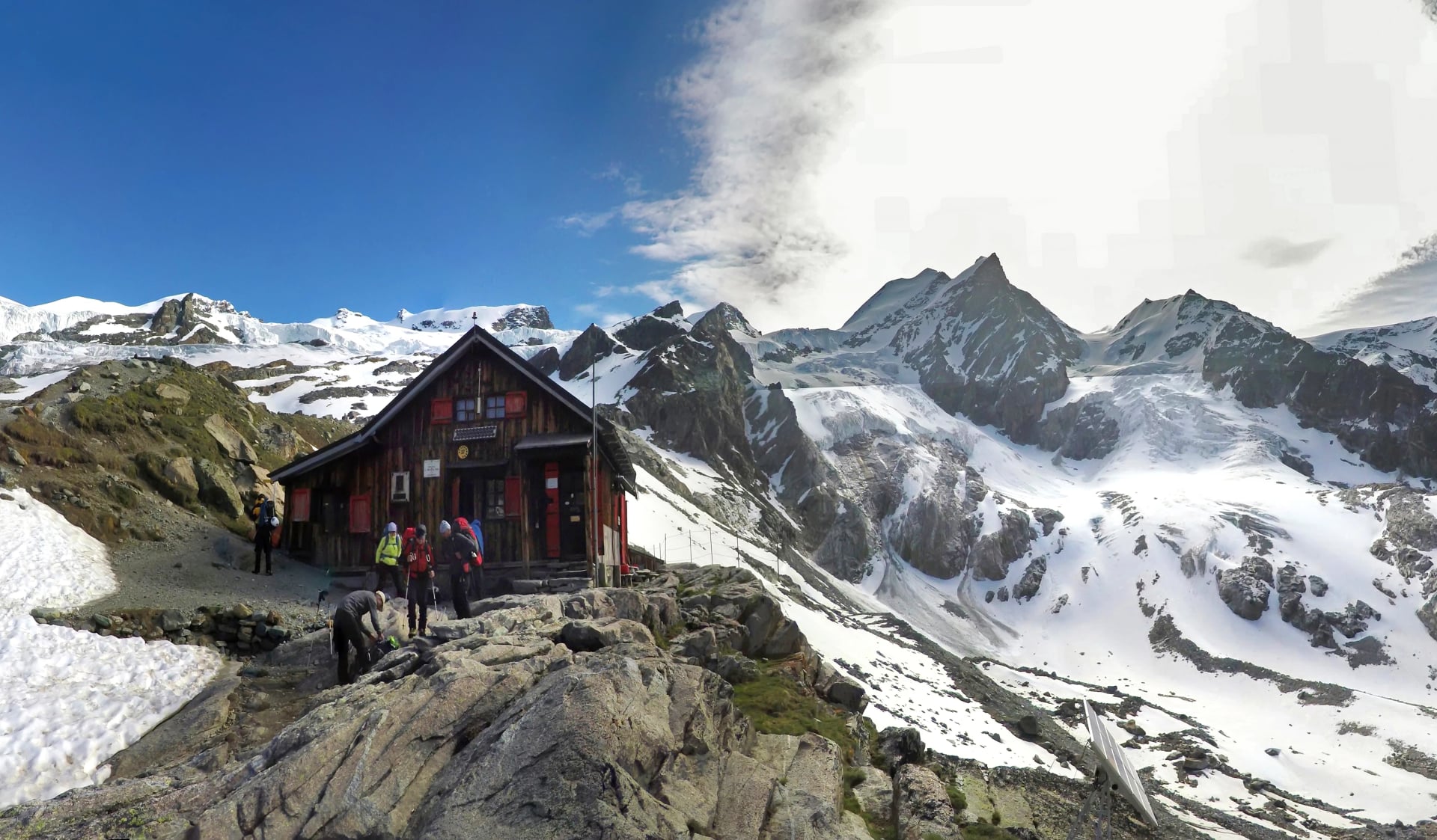
French refuges, Italian rifugios, and Swiss huts — each with their own character and cuisine
Italian rifugios are famous for surprisingly good food at altitude — fresh pasta, regional wine, and desserts that feel out of place at 2,500 m
More choice per stage: multiple refuges, gîtes d'étape, and valley hotels on most days
Significantly easier to customise for comfort — upgrading to private rooms or valley hotels is straightforward on most stages
For a deeper dive into how Swiss mountain huts work, see our accommodation guide.
Logistics and Cost
Haute Route
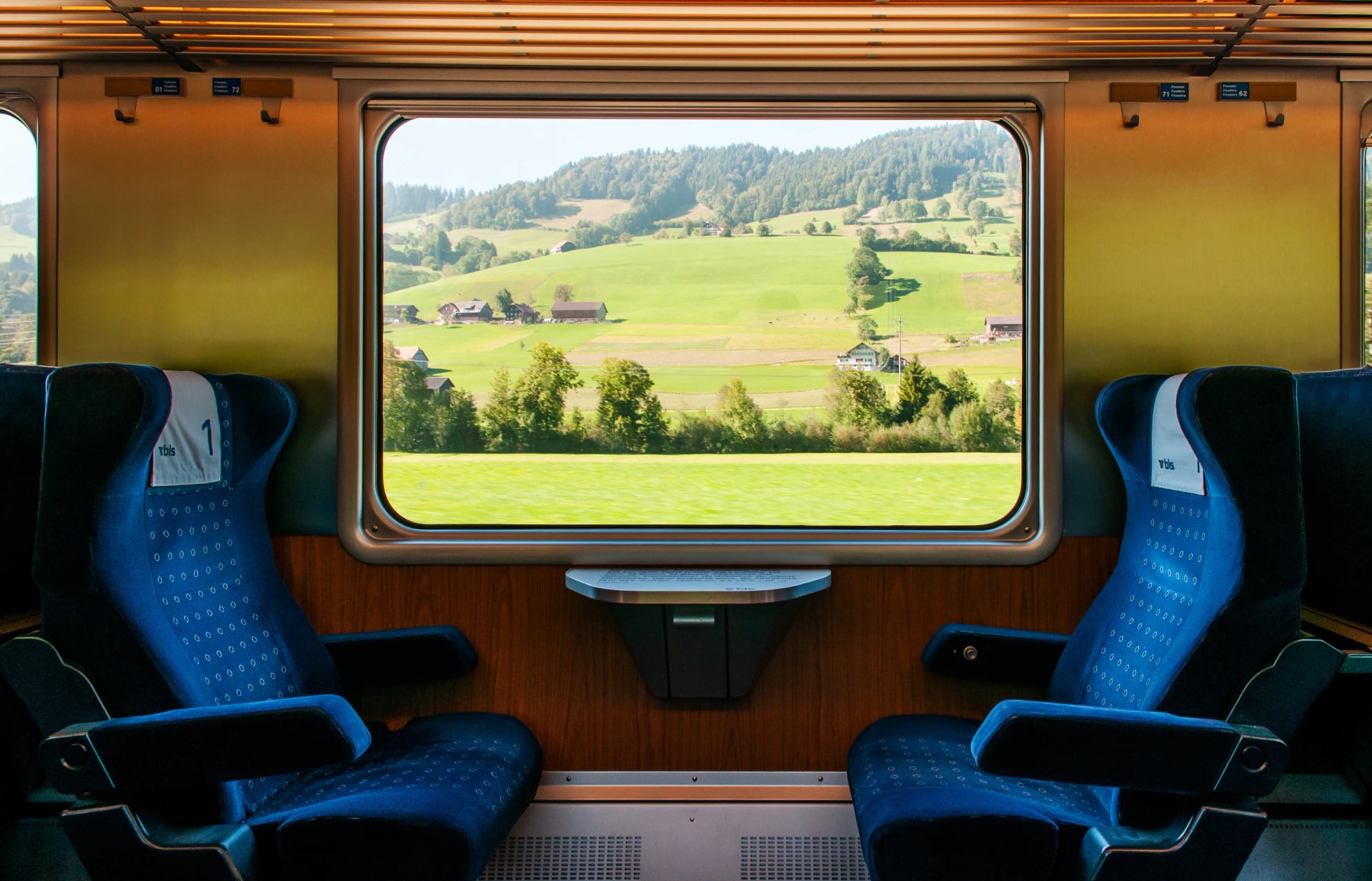
Point-to-point, finishing in Zermatt — separate transport back to Geneva or onward travel needed
Budget approximately €2,500–3,000 for a self-guided tour or CHF 80–120 per day independently
Tighter booking window — popular SAC huts need 2–4 weeks' advance reservation in July and August, and some (Cabane de Moiry, Cabane du Mont Fort) fill even earlier
Season: July–September only
TMB
Loop returning to Chamonix — simpler logistics with no one-way transport to arrange
Budget approximately €1,500–2,500 for a self-guided tour or €50–80 per day independently
More accommodation options and a longer season make last-minute booking easier outside peak July–August
Three-country currency situation (EUR in France/Italy, CHF in Switzerland) — carry both
Season: June–September
Which Trek Is Right for You?
TMB
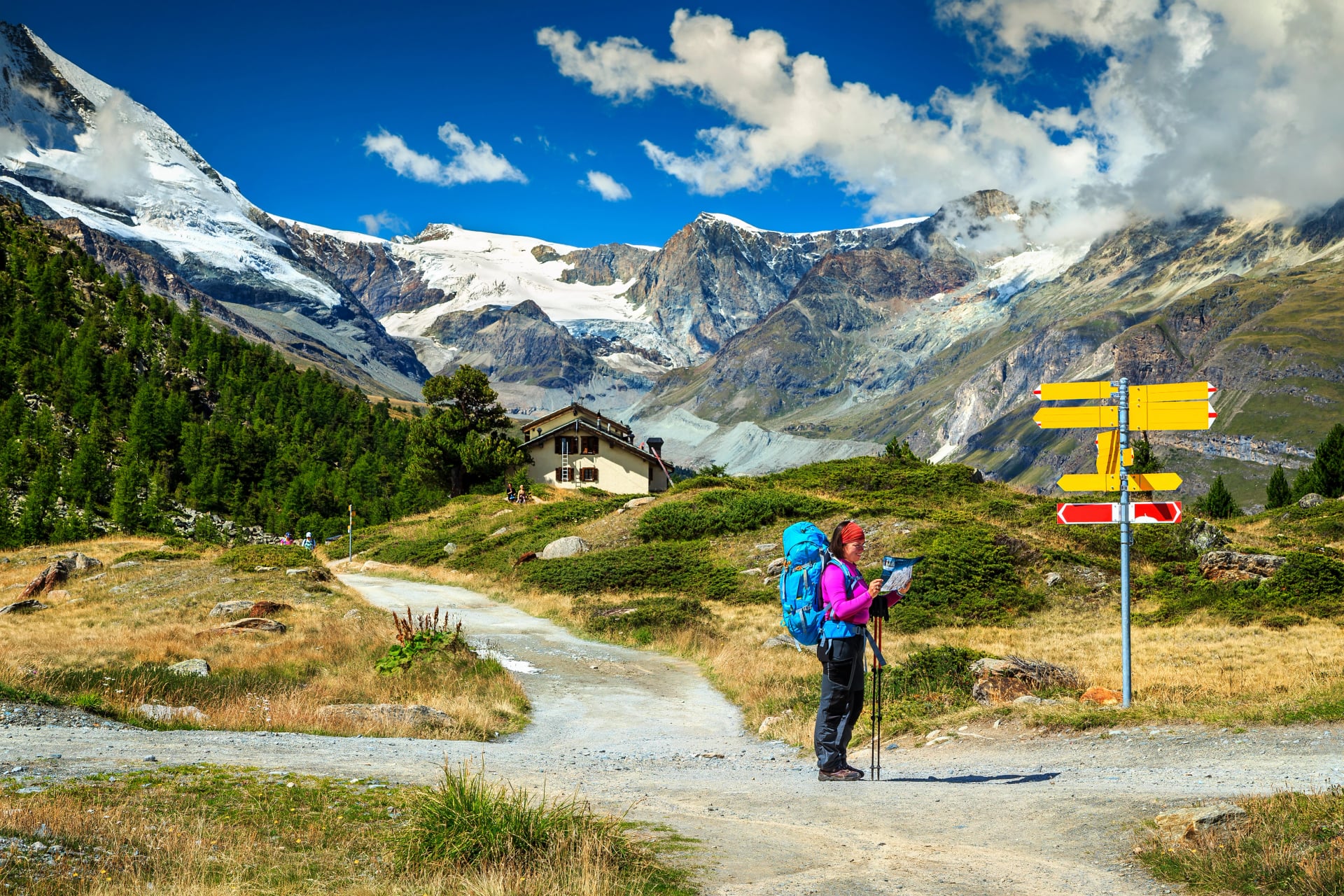
Choose the TMB if this is your first multi-day Alpine trek, you want a social atmosphere with plenty of other hikers on the trail, you prefer more frequent valley access and comfort options, or you have 10–12 days and want a complete loop with simpler logistics. The TMB is the better introduction to Alpine hut-to-hut hiking — demanding enough to feel like a real achievement, accessible enough to enjoy without prior mountain trekking experience.
Haute Route
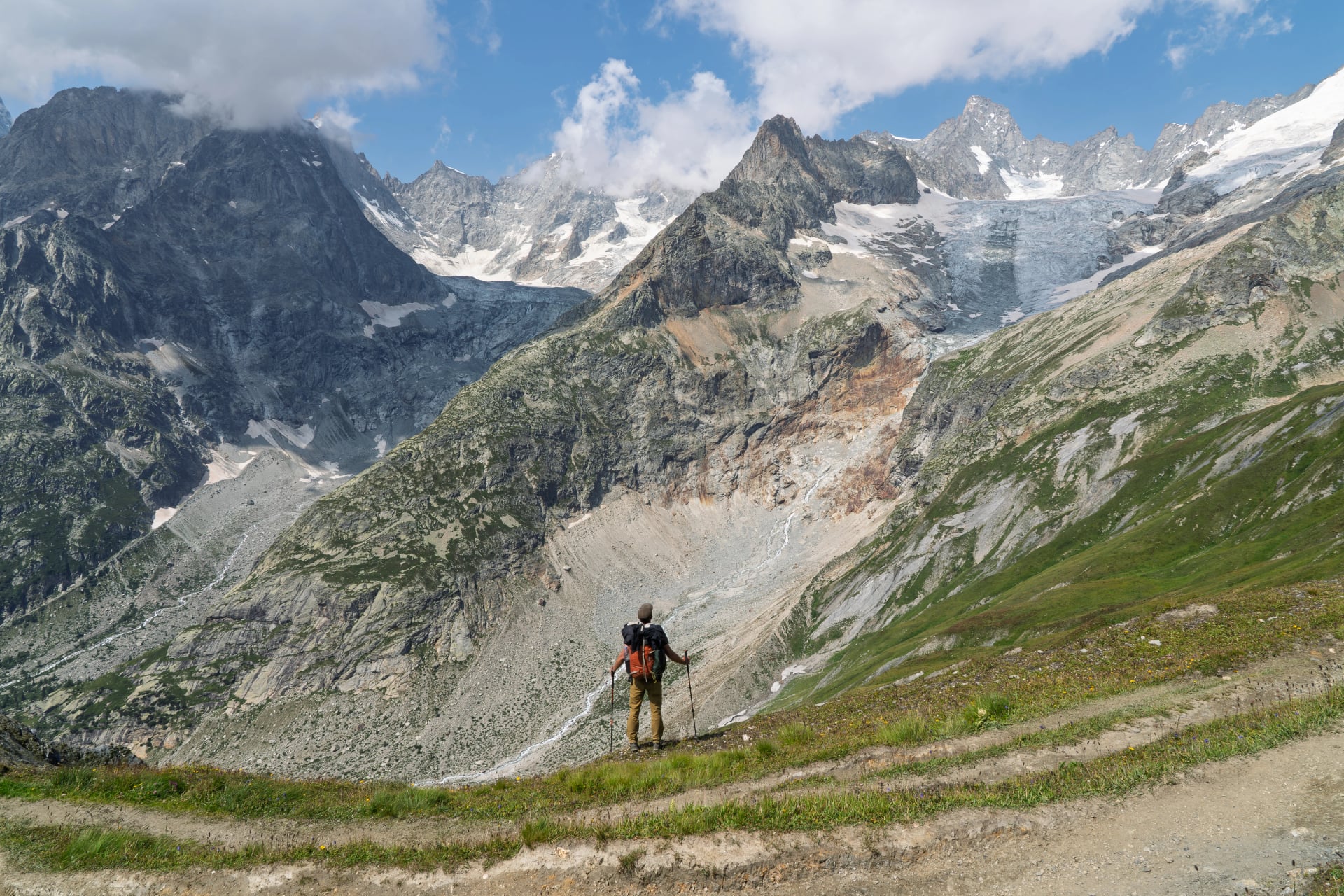
Choose the Haute Route if you've already done the TMB or equivalent and want a significant step up, you're drawn to high-altitude terrain and remoteness over village hopping, you want the Chamonix-to-Zermatt narrative arc finishing beneath the Matterhorn, or you have 14 days and the fitness to sustain 800–1,400 m of daily climbing over rough ground.
Both?
Do both — in the right order. The progression we see most often is TMB first, Haute Route a year or two later. The TMB builds Alpine confidence, hut-to-hut rhythm, and mountain fitness. The Haute Route rewards all three. That sequence works, and it's what we recommend to anyone torn between the two. For timing either trek to the right month, see our weather recommendations for hiking.
Ready to Choose?
We offer self-guided tours on both routes — accommodation, route notes, GPS navigation, and 24/7 on-trail support included. Luggage transfers available as an optional extra.
Not sure which fits? Send us an inquiry or book a free planning call — we'll help you pick the right route for your experience and schedule.
About this author
Anja is our lead travel advisor and a lifelong hiker who has planned countless adventures across Europe. She prefers sunsets to sunrises — unless coffee is involved — and, ever since her first rock-climbing course, joins friends on climbing trips whenever she can.