The Swiss Hiking Seasons at a Glance
Your complete month-by-month guide to Swiss hiking weather — from June's wildflower bloom through October's golden larch forests and everything between.
Don't want to read all this?
We've planned 2,000+ hiking trips. Send your dates, fitness and group size — we'll map the route and book every night.



Ask five experienced Swiss hikers when to go and you will get five different answers. Some swear by July's guaranteed sunshine and full infrastructure. Others insist September's golden light and empty trails are unbeatable. A few claim late June's wildflower explosion is worth any weather uncertainty.
The truth is that the "best" time depends entirely on what you are looking for — weather certainty, solitude, wildflowers, autumn colors, or simply the widest selection of open routes.
Whatever month you choose, browse our Switzerland hiking tours to see which routes are running in that window.
Our Recommendation?
Full Weather Picture in Switzerland
This guide breaks down every month of Switzerland's hiking season with honest assessments of what to expect, who each timeframe suits best, and the trade-offs you will face. Most hikers default to July or August because it feels safest. But as you will see, June and September often deliver superior experiences.
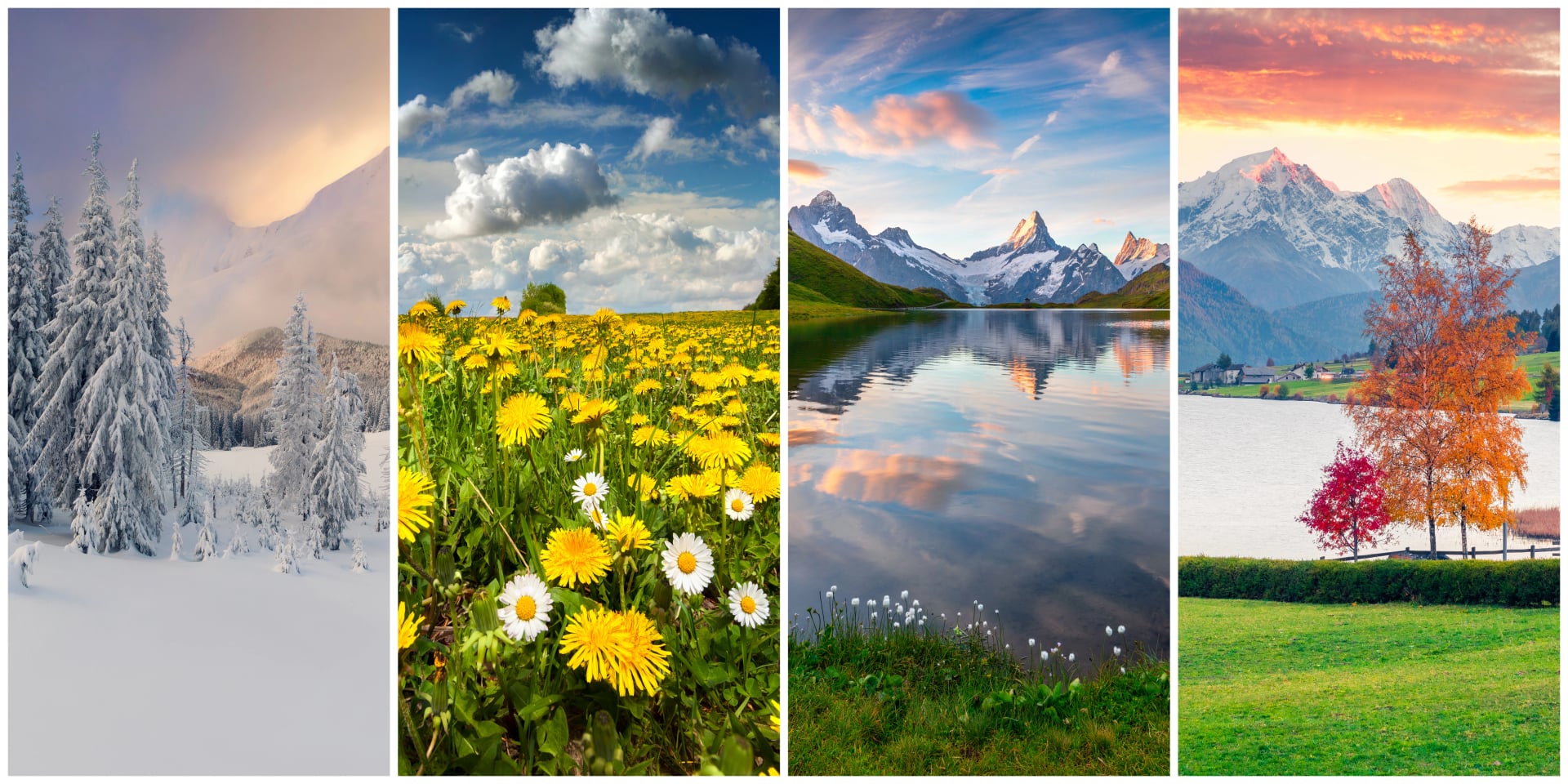
Before the month-by-month detail, here is the big picture:
1. Prime Hiking Season
Late June through mid-September is when the Swiss Alps fully open. Mountain huts operate at full capacity, trails are snow-free even above 2,500 m, weather patterns become relatively predictable, and you have complete access to multi-day routes, high alpine passes, and via ferrata. Nearly all infrastructure — cable cars, PostBus connections, mountain railways, and hut services — runs daily during this window.
2. Shoulder Seasons
Early June and late September through mid-October offer genuine rewards for hikers willing to stay flexible. Some huts remain closed or run limited service, high passes may hold late snow in early June or see first flakes in late September, and weather becomes more variable. But you will encounter far fewer people, pay lower prices, and often experience surprisingly stable conditions.
3. Off-Season
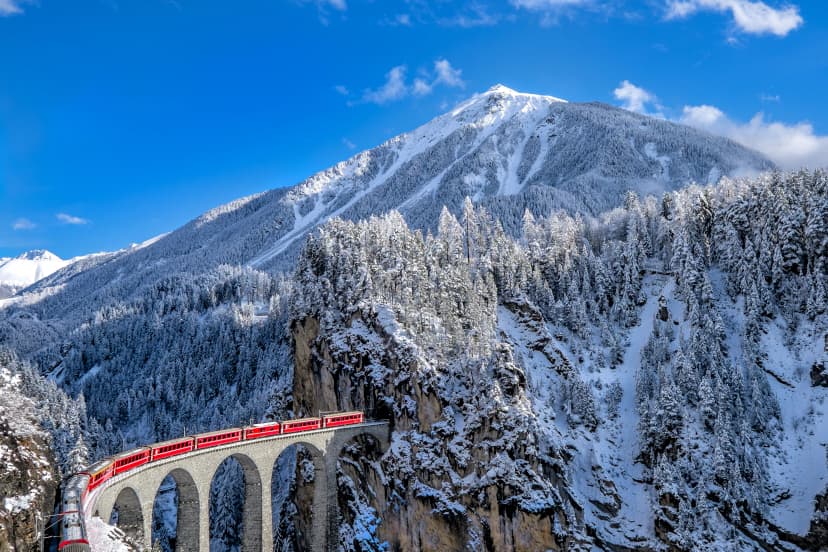
Most SAC huts close by mid-October and remain shut until late May. Heavy snow blankets high elevations from November through April, making traditional alpine hiking impossible. But valley walks remain accessible at the margins, and winter in Switzerland transforms the mountains into world-class ski terrain. It is a different Switzerland in winter, but equally compelling.
Month-by-Month Breakdown
Why choose June?
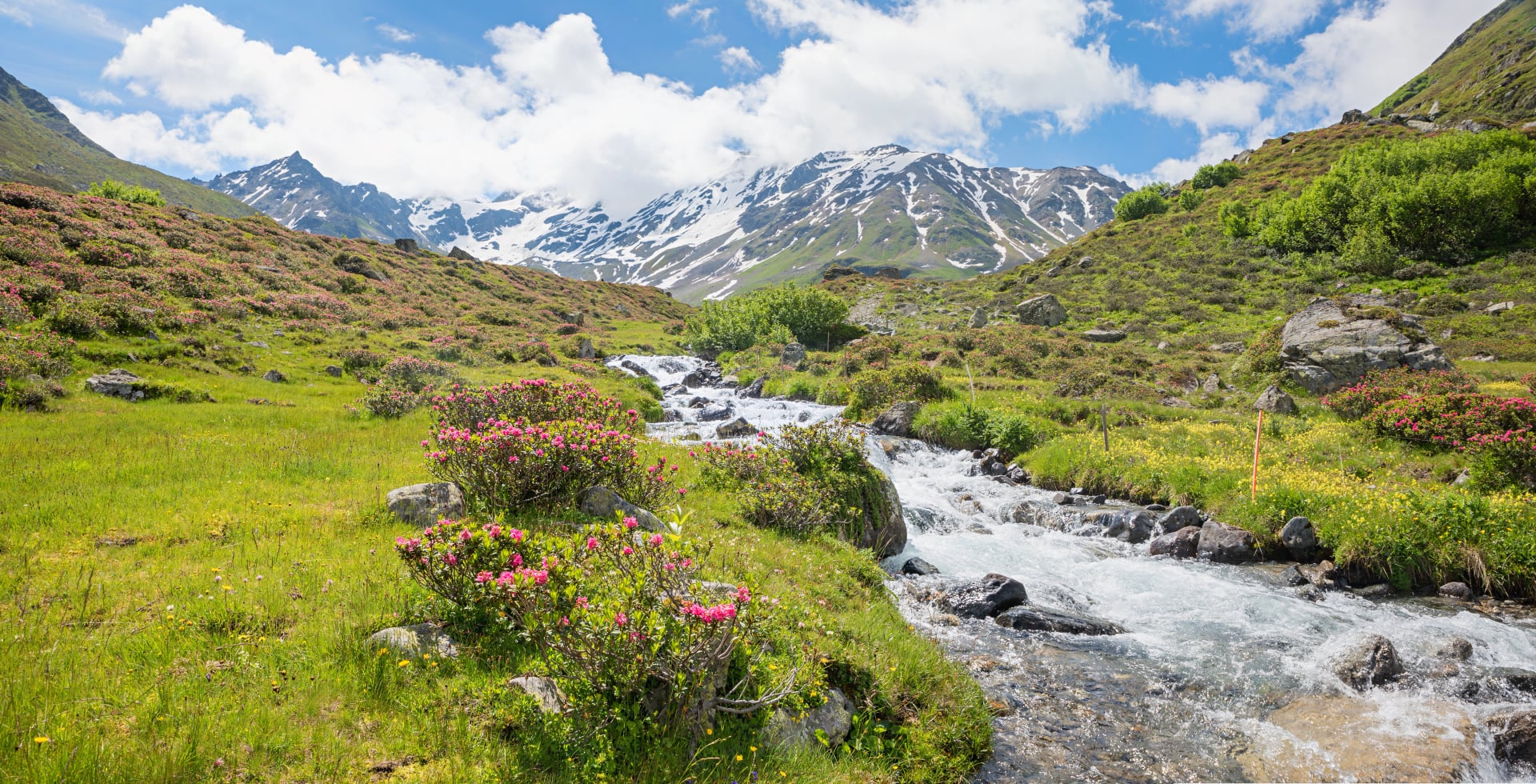
Wildflower explosion across alpine meadows — this is THE month for botanical color, and photographers consider it peak season for this reason alone
Waterfalls at maximum volume from snowmelt feeding every cascade in the Bernese Oberland and Valais — the landscape pulses with water energy
Near-empty trails compared to July and August, with a peaceful, contemplative quality that peak season loses entirely
Longest daylight hours of the year — 16+ hours of usable light means ambitious stages, summit detours, and unhurried evenings at huts before sunset finally arrives around 9:30 PM
Trade-offs:
Early June presents real challenges. Some huts remain closed until mid-month, occasional snow lingers on passes above 2,500 m requiring microspikes and navigation confidence, and weather is less predictable than midsummer. You need to monitor alpine weather forecasts closely and maintain backup plans.
Best for:
Experienced alpine hikers comfortable with variable conditions
Wildflower enthusiasts and landscape photographers
Solitude seekers who prioritize quiet trails over guaranteed perfect weather
Hikers targeting the Via Alpina stages as they open progressively through the month — our Via Alpina guide covers the full route in detail
Pro tip: Late June — roughly June 20–30 — is the absolute sweet spot. Nearly all huts have opened, trails are clear, wildflowers still bloom spectacularly, and the July crowds have not materialized yet. If your schedule allows flexibility, target this narrow window.
Why choose July?
Most stable and predictable overall weather — while afternoon storms occur regularly, the pattern is reliable and manageable with early starts
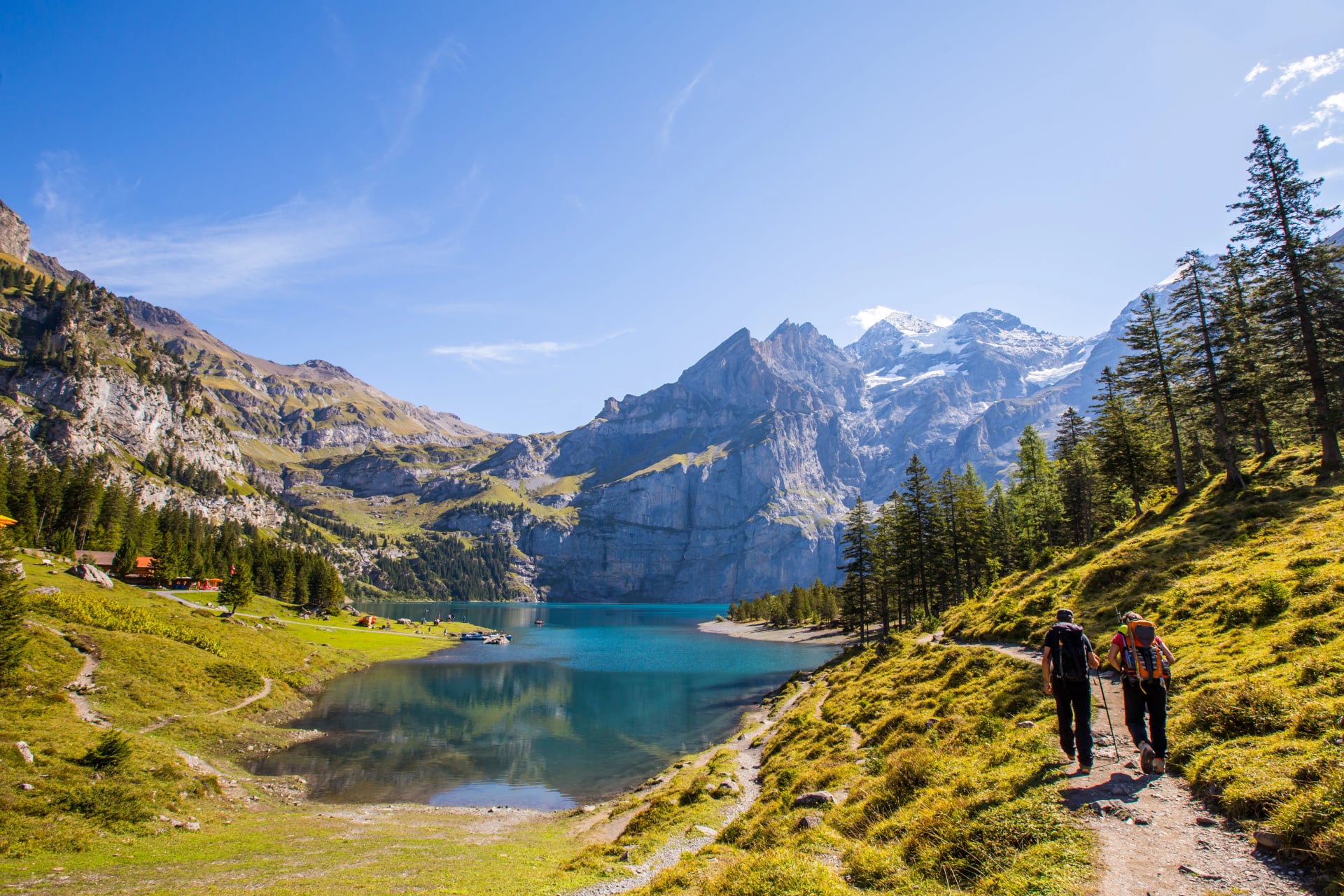
Warmest temperatures at altitude make high passes genuinely comfortable rather than something to rush through shivering
Every service at full capacity — logistics are straightforward with no uncertainty about hut openings, cable car schedules, or PostBus connections
Best month for via ferrata routes — warm rock, dry conditions, and long days make July ideal for exposed technical terrain
For pass-by-pass weather detail specific to the Haute Route, our Haute Route weather guide goes deeper than any general overview can.
Trade-offs:
Crowds are the main compromise. Popular routes feel busy, hut dormitories operate at capacity, and prices for accommodation and transport reach their highest. You are trading solitude for certainty. Afternoon thunderstorms also require discipline — you must start hiking by 7–8 AM to clear high passes before the daily weather window closes. Sleeping in is not an option on exposed routes.
Best for:
First-time Swiss alpine hikers who want reliable conditions and full infrastructure
Families with school-age children locked to summer holiday schedules
Anyone prioritizing weather certainty over solitude
Via ferrata enthusiasts targeting exposed routes
Pro tip: Book huts 4–6 months ahead for popular routes like the Walker's Haute Route or Via Alpina — by February or March for July departures. Waiting until spring means limited availability on the most sought-after stages.
Why choose August?
Reliable weather with the full season's infrastructure polish — everything runs smoothly and efficiently by this point
Peak social atmosphere in huts — if you enjoy the communal dimension of mountain hut culture, August delivers the liveliest evenings and most international company
All routes fully established and conditions well-documented — online reports and hut warden updates give you current-day trail intelligence
Trade-offs:
August is the busiest month of the year, full stop. Trails feel genuinely crowded on popular routes, hut dormitories are packed and noisy, and prices sit at their annual peak. Wildlife becomes harder to spot due to constant human presence. The wilderness experience diminishes noticeably compared to shoulder seasons.
Best for:
Social hikers who enjoy meeting people from around the world
Those with fixed vacation schedules locked to August
Families traveling during school holidays
Pro tip: Start stages on weekdays rather than weekends to avoid the pulse of day-hikers joining the popular trail sections. Monday and Tuesday departures noticeably thin the field.
Why choose September?
Crowds vanish almost overnight after the first week — popular stages that required weeks-ahead booking in July become available on shorter notice
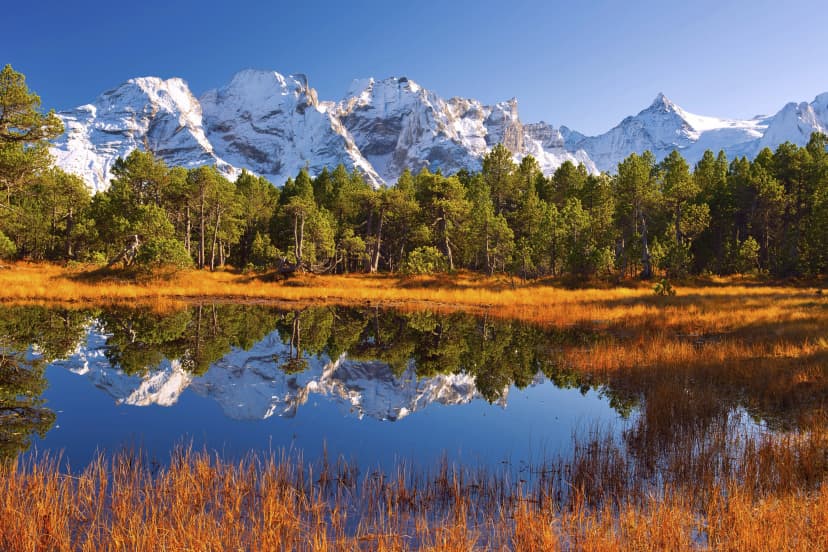
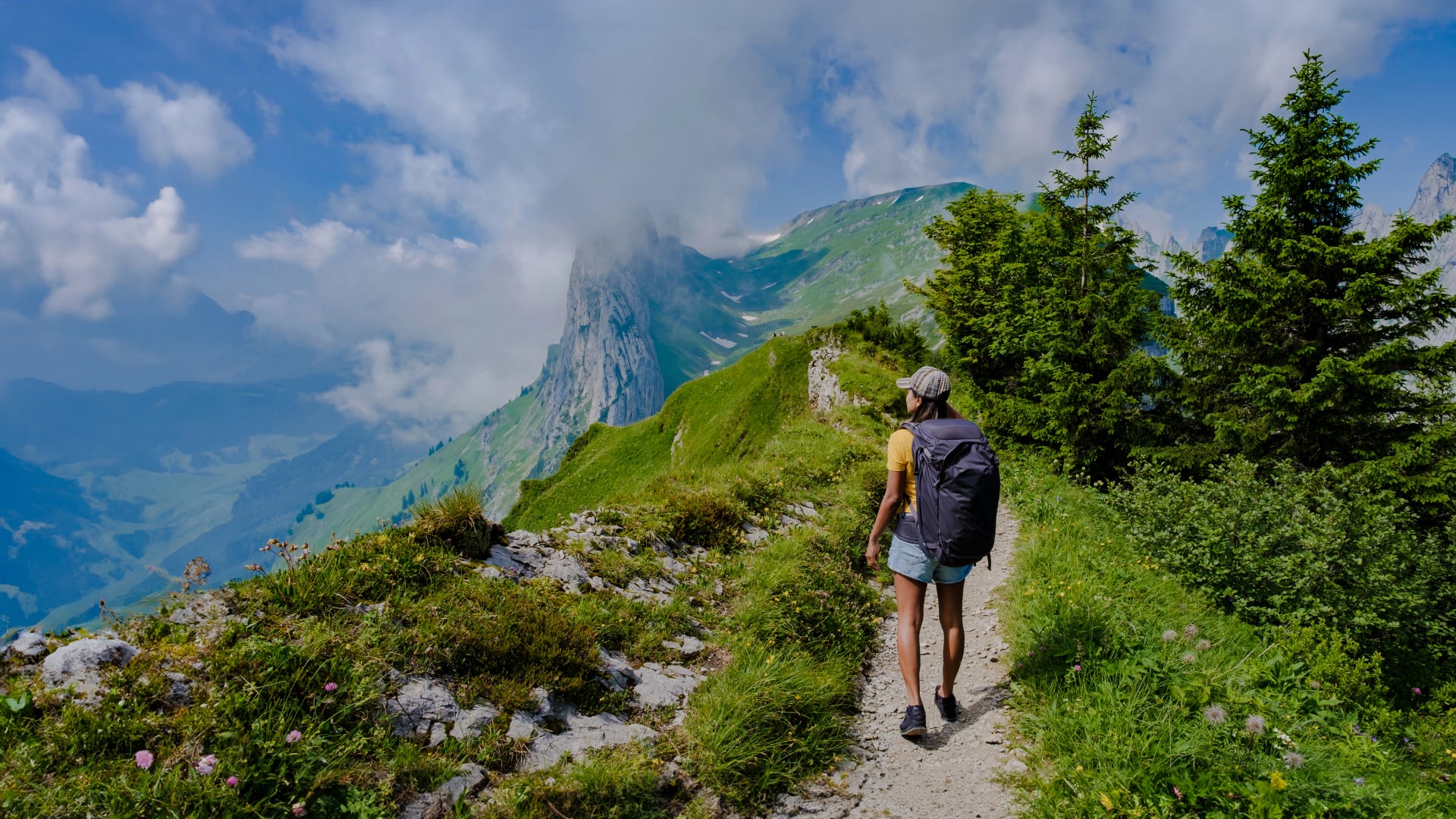
Clearest visibility and sharpest light of the year — autumn air holds less moisture, producing panoramic depth that summer haze rarely permits
Hut bookings become dramatically easier and the communal atmosphere returns to smaller, quieter tables closer to original hut culture
The optimal month for the Walker's Haute Route — for a detailed breakdown of why, what and when- our guide to hiking the Haute Route covers the full picture
Trade-offs:
Daylight is noticeably shorter than midsummer — plan stages with less margin for slow afternoons. Huts begin closing from mid-month, and first snow on high passes above 2,800 m is possible in the final week. Weather windows remain excellent but break faster than July when they do shift.
Best for:
Returning hikers who know what they want and value solitude with full infrastructure
Photography-focused trips targeting the season's best light
Anyone who has hiked in summer and wants to see Switzerland at its most beautiful and most quiet
Pro tip: The first three weeks are the real window. The final week of September starts to feel like October — hut closures accelerate, and you need to verify availability individually rather than assuming.
Why choose October?
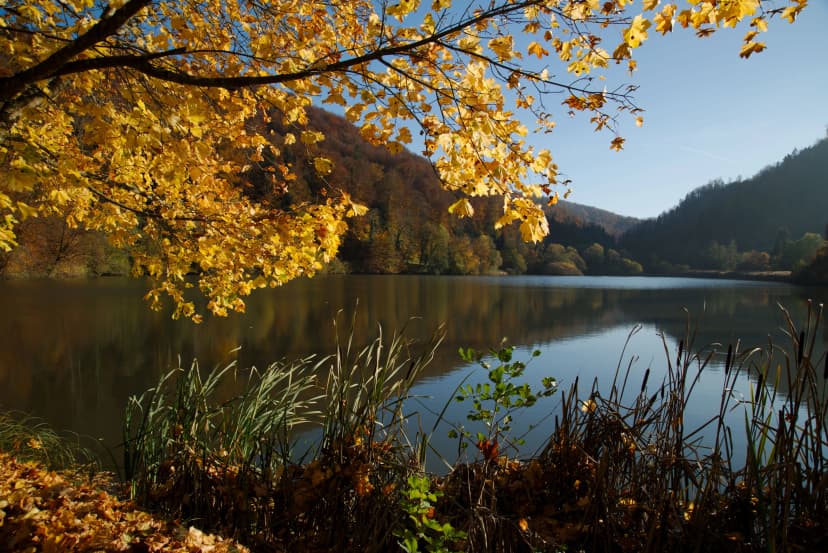
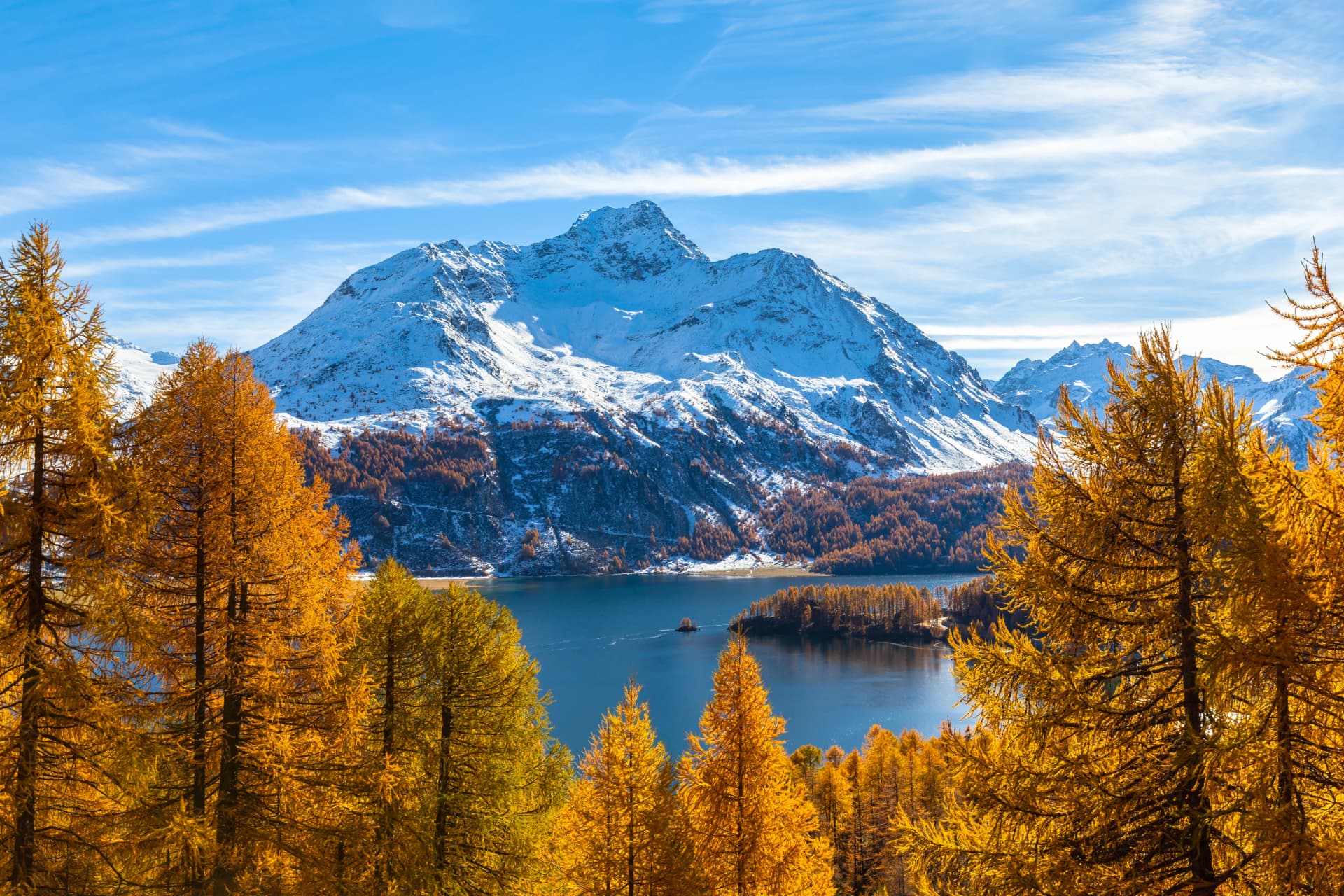
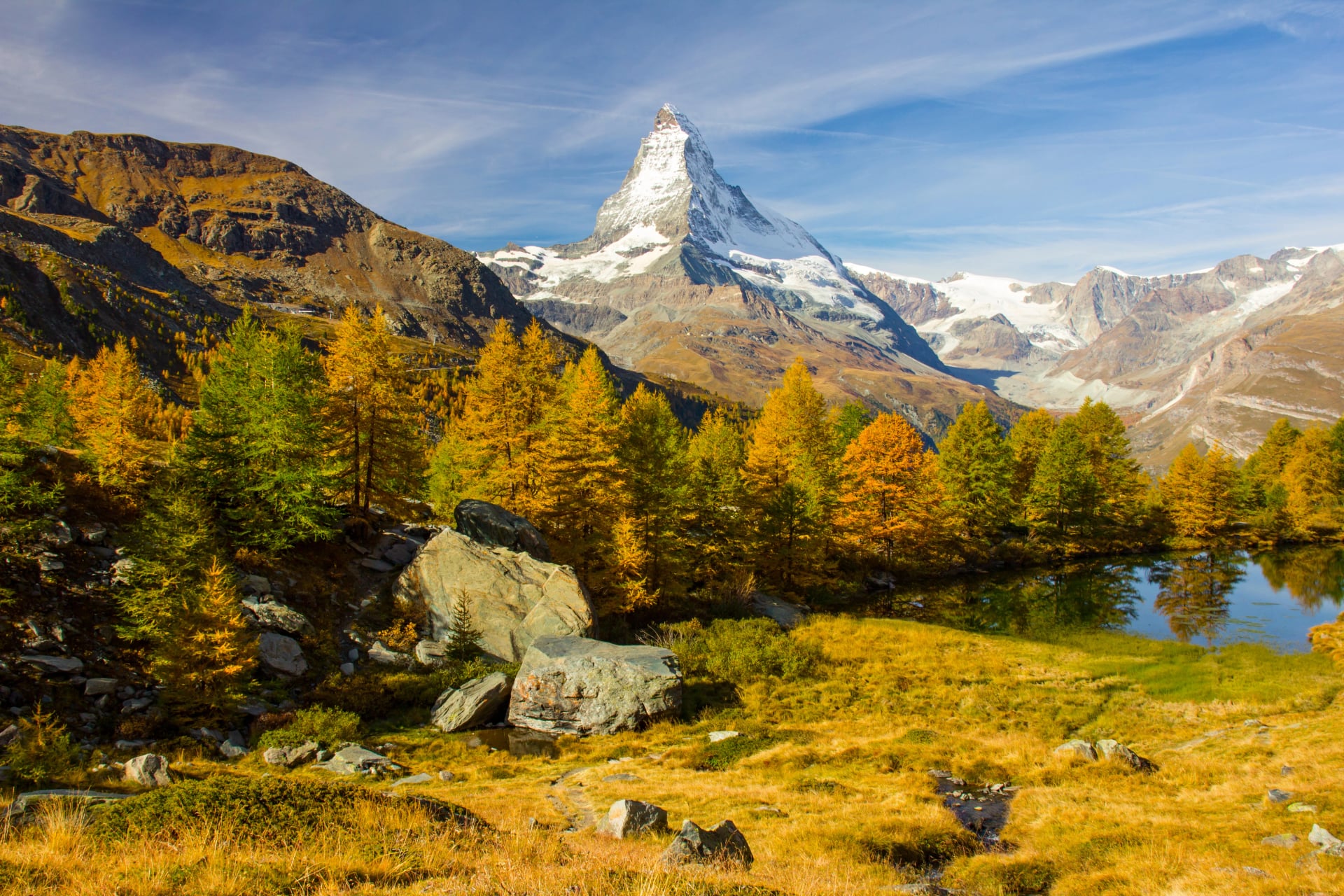
Peak larch color — the European larch is the only deciduous conifer in the Alps, and its October transformation is unlike anything else in the hiking calendar
Dramatic alpine light and crystal visibility persist from September, now paired with golden foreground color
Genuine solitude on every trail — you may walk entire stages without encountering another hiker
Lower-altitude routes deliver exceptional quality — valley circuits, lake trails, and mid-altitude balcony paths come into their own
Trade-offs:
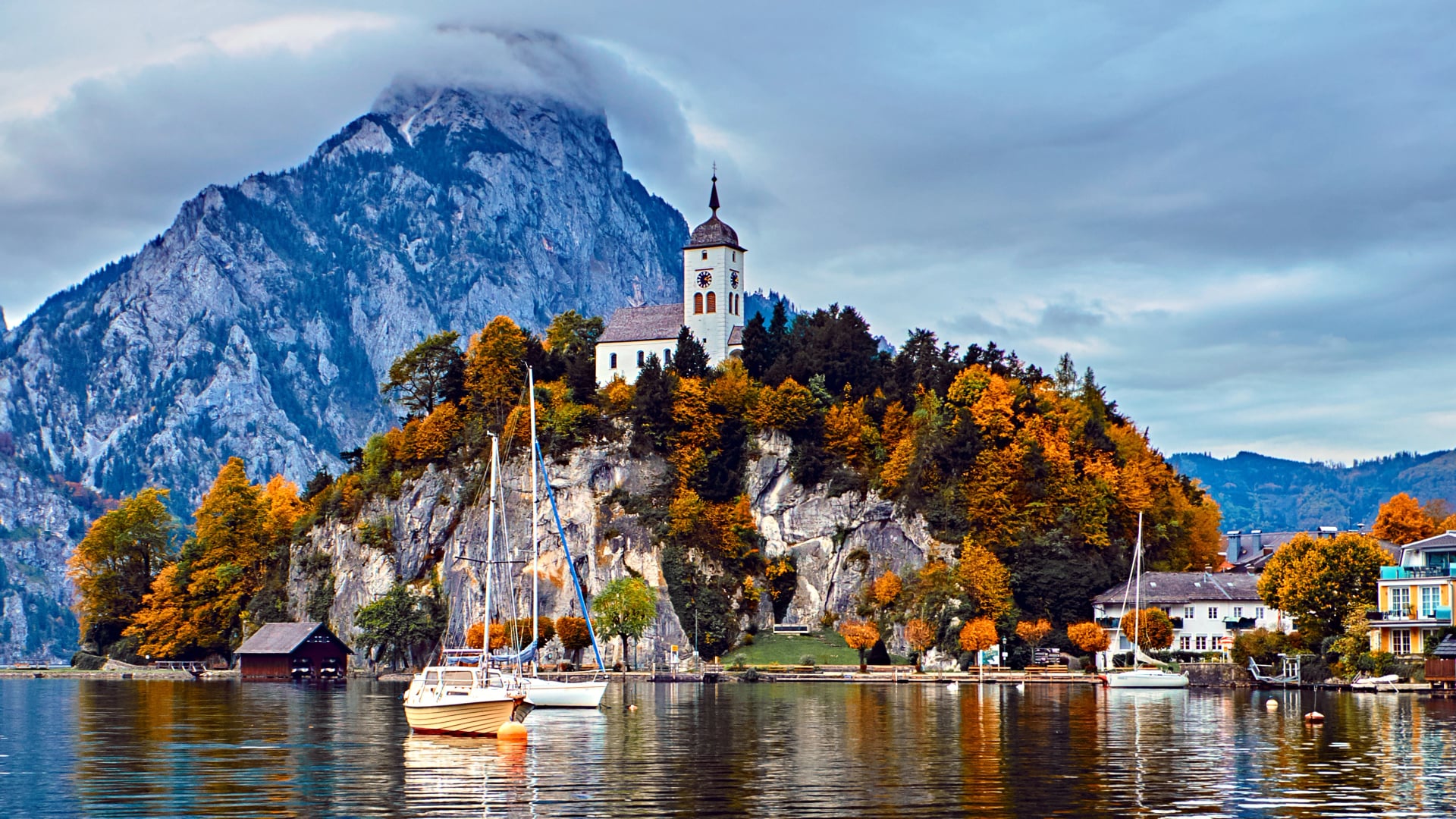
This is a month that requires flexibility and active conditions monitoring. Most huts are closed, high passes collect snow, and the weather can shift from summer-quality hiking to winter conditions within the same week. Cable car shutdowns may alter access to trailheads. October hiking is excellent but demands experienced planning.
Best for:
Experienced hikers comfortable adjusting plans daily based on conditions
Autumn color seekers specifically targeting larch gold in the Engadine or Lötschental
Valley-based itineraries that do not depend on high-altitude hut access
Pro tip: The Engadine and Lötschental produce Switzerland's most dramatic larch displays. Target the second and third weeks of October for peak color, but be prepared for the window to shift a week in either direction depending on the year.
For more on what the shoulder months actually look like on the trail, our guide to a typical hiking day covers the full rhythm of a stage from morning to hut arrival.
Weather Patterns by Swiss Region
Swiss weather does not behave uniformly. The same day can deliver rain in the Bernese Oberland and sunshine in Zermatt, depending on where frontal systems arrive and how the mountains redirect them. Understanding the three main weather zones helps you pick the right region for your dates — and plan smarter when conditions shift.
Best Regions by Month
Not every region peaks at the same time. Choosing the right area for your dates can mean the difference between hiking in the clouds and hiking in sunshine.
June: The Bernese Oberland is at its most spectacular — waterfalls at full power, wildflowers in bloom, the dramatic green landscape at peak intensity. The extra moisture that makes it wetter in summer makes it more beautiful in early season. Our Via Alpina: The Bear Trek runs through the heart of the Oberland when it is at its most dramatic.
July: The Valais and Pennine Alps deliver the most reliable weather. The Walker's Haute Route corridor benefits from the rain shadow, and high passes are clear and warm. The Bernese Oberland is excellent too but expect more afternoon cloud. July is the ideal month for the full Walker's Haute Route from Chamonix to Zermatt.
August: Eastern Switzerland and the Engadine offer a quieter alternative to the heavily trafficked western routes. The Alpstein circuit and Engadine valley trails see lower crowds than equivalent routes in the Oberland or Valais. The Kesch Trek is a strong August choice for hikers who want reliable conditions without peak-season intensity.
September: The Valais remains the most weather-stable region, and the Haute Route enters its optimal window. The Engadine begins its larch transition. Both regions deliver the season's clearest visibility. The Valais High Altitude Escape pairs perfectly with September's golden light and empty trails.
October: The Engadine and Lötschental are the destinations. Peak larch gold paired with continental clarity creates the most photogenic hiking conditions of the year. Lower Valais valley trails remain excellent. The Alpstein High Trail Highlights runs at lower altitude, extending its viable season well into October.
What to Pack for Swiss Alpine Weather
Swiss mountain weather changes fast. A stage that starts in sunshine at 8 AM can deliver rain by noon and clear skies again by 3 PM — and this is a normal day, not a bad one. Pack for variability rather than for a single forecast.
Layering system built around a warm mid-layer. A merino or synthetic insulating layer that you can add and remove quickly is more useful than one heavy jacket. Temperature swings of 15–20°C between valley floor and pass level are standard, and stopping on an exposed col without insulation turns cold within minutes.
Waterproof shell — jacket and trousers. Non-negotiable at any time of year. Afternoon storms arrive fast, and being caught on an exposed ridge without rain protection is genuinely dangerous. Gore-Tex or equivalent breathable membrane over a budget poncho every time.
Sun protection rated for altitude. UV intensity increases roughly 10% per 1,000 m of elevation gain. At 2,500 m you are receiving significantly more UV than at sea level, and reflection off snow or light rock amplifies the effect. SPF 50+, quality sunglasses, and a hat with a brim.

Footwear with ankle support and grip on wet rock. Swiss trails are well-maintained but mountain terrain is mountain terrain — loose scree, wet limestone, and rocky descents are standard. Approach shoes are fine for valley walks; B1 or B2 boots for anything above 2,000 m.
Weather monitoring on your phone. Download the MeteoSwiss app before you arrive — it provides elevation-specific forecasts and real-time rain radar that generic weather apps cannot match. For route planning, the official trail planner from SchweizMobil shows current trail status and conditions. Check elevation-specific forecasts for summit and pass-level weather before committing to high stages.
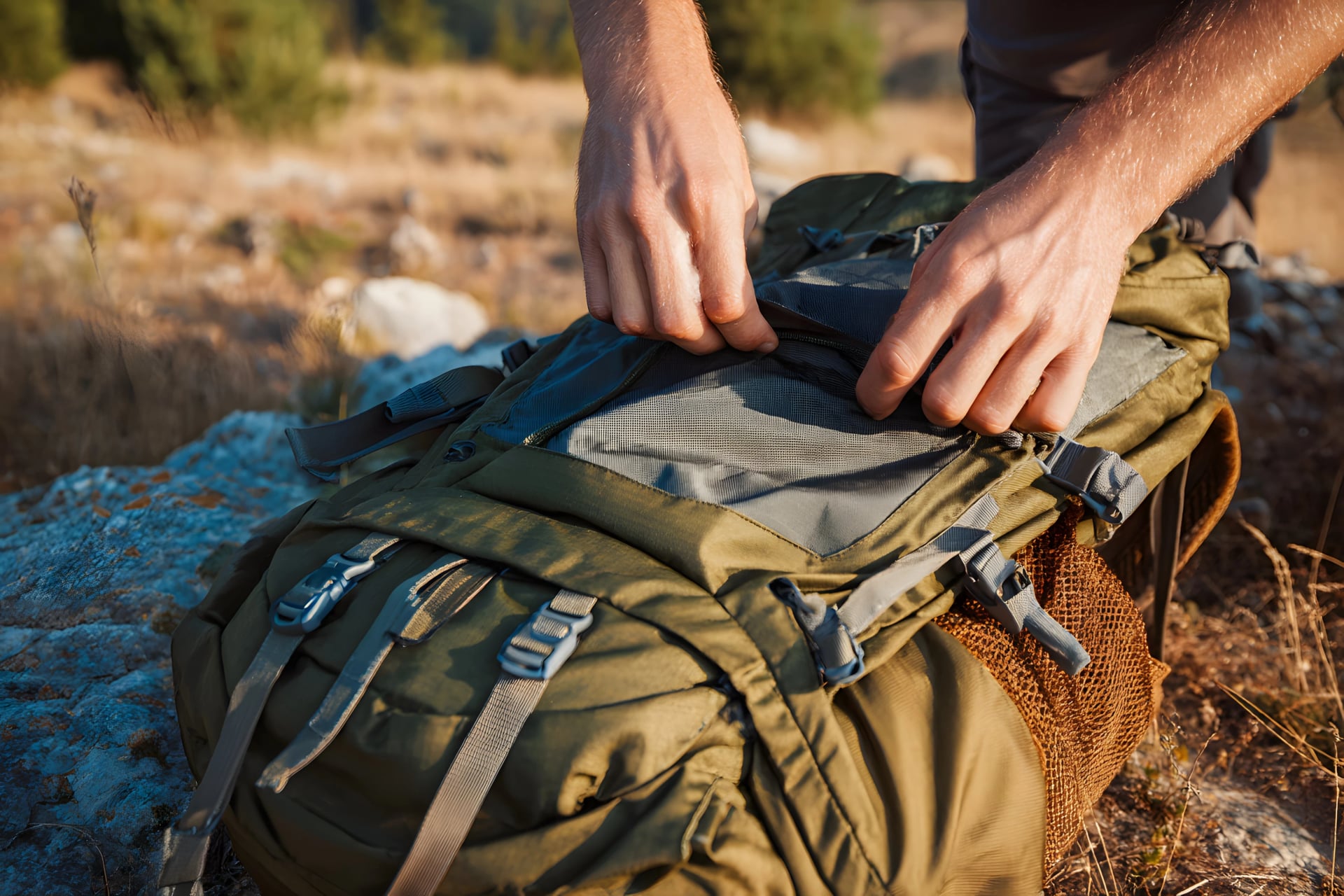
Microspikes for early and late season. If you are hiking in June or late September, residual snow on passes above 2,500 m is a real possibility. Lightweight microspikes weigh almost nothing and turn a sketchy snow traverse into a non-event. For a full route-specific gear breakdown, our Haute Route packing list covers everything in detail.
Crowds and Booking Strategy
Timing shapes not just your weather but who you share the trail with and how far ahead you need to plan.
Busiest times:
The crunch runs from late July through mid-August, when school holidays stack across Switzerland, Germany, Austria, the Netherlands, and Scandinavia simultaneously. Popular routes like the Walker's Haute Route and Via Alpina see their highest traffic. Hut dormitories fill completely, and advance booking of 4–6 months is standard for sought-after stages.
Quietest times:
Early June (before most huts open): almost empty trails with a pioneering quality
September (after school holidays end): full infrastructure with a fraction of the traffic
October: genuine solitude, though hut closures limit route options
Booking timeline by month:
June: book 2–3 months ahead for popular huts; flexible options remain closer to departure
July/August: book 4–6 months ahead — February and March are not too early for peak-season Haute Route or Via Alpina stages
September: book 1–2 months ahead; availability is rarely a problem in the first two weeks
October: confirm hut opening dates individually before booking anything
Weekend vs. weekday:
Starting a multi-day route on Monday or Tuesday noticeably reduces trail traffic on the first two stages, because day-hikers and weekend warriors thin out. This applies particularly to the Bernese Oberland and popular Valais trailheads accessible by train from Zurich and Geneva.
Shoulder season travel also affects pricing significantly — our Haute Route cost breakdown shows how peak vs off-peak timing changes what you'll pay for huts.
When Should You Visit?
The right month depends on what you want most. There is no single best time — only the best time for your priorities.
If you want certainty, go in July. If you want the best balance of weather and solitude, target late June or early September. If you want autumn color that no other Alpine country matches, come in October and stay flexible.
Whatever you choose, the Swiss Alps reward preparation. Check conditions, book huts at the right lead time, pack for variability, and stay flexible enough to adjust when the mountains ask you to.
Browse our full tour selection for guided and self-guided options across every month of the season, or book a consultation to discuss the right timing and itinerary for your trip.



Plan with a hiking expert
Free advice from a team that knows these routes inside out - real people, not a bot

Hassle-Free
We handle itineraries, accommodations, and anything else you prefer not to deal with, so you can enjoy a carefree hike.

Book with confidence
We are a financially protected company, fully bonded and insured, keeping your money safe and allowing you to travel with confidence.

Tried & Tested Adventures
Only the best hut to hut hikes of Switzerland, cherry-picked by our local team with an in-depth knowledge of the region.

Unbeatable support
Our 24/7 customer support is where we show our passion, bringing you a better experience by making your well-being our number one priority.