What to Bring on the Haute Route: A Practical Packing List
A practical gear list for the Chamonix to Zermatt trek covering clothing layers, core gear, safety essentials, and seasonal adjustments month by month.
Don't want to read all this?
We've planned 2,000+ hiking trips. Send your dates, fitness and group size — we'll map the route and book every night.



What you carry on the Haute Route depends heavily on when you hike. July means lighter layers but mandatory storm gear for routine afternoon thunderstorms. September means warmer insulation, earlier starts for shorter daylight, and potentially microspikes for late-season snow on high passes. June means packing for all four seasons in the same bag.
Before finalising your list, decide your timing first. Our guide to how seasonality affects conditions breaks down exactly what each month delivers on the trail.
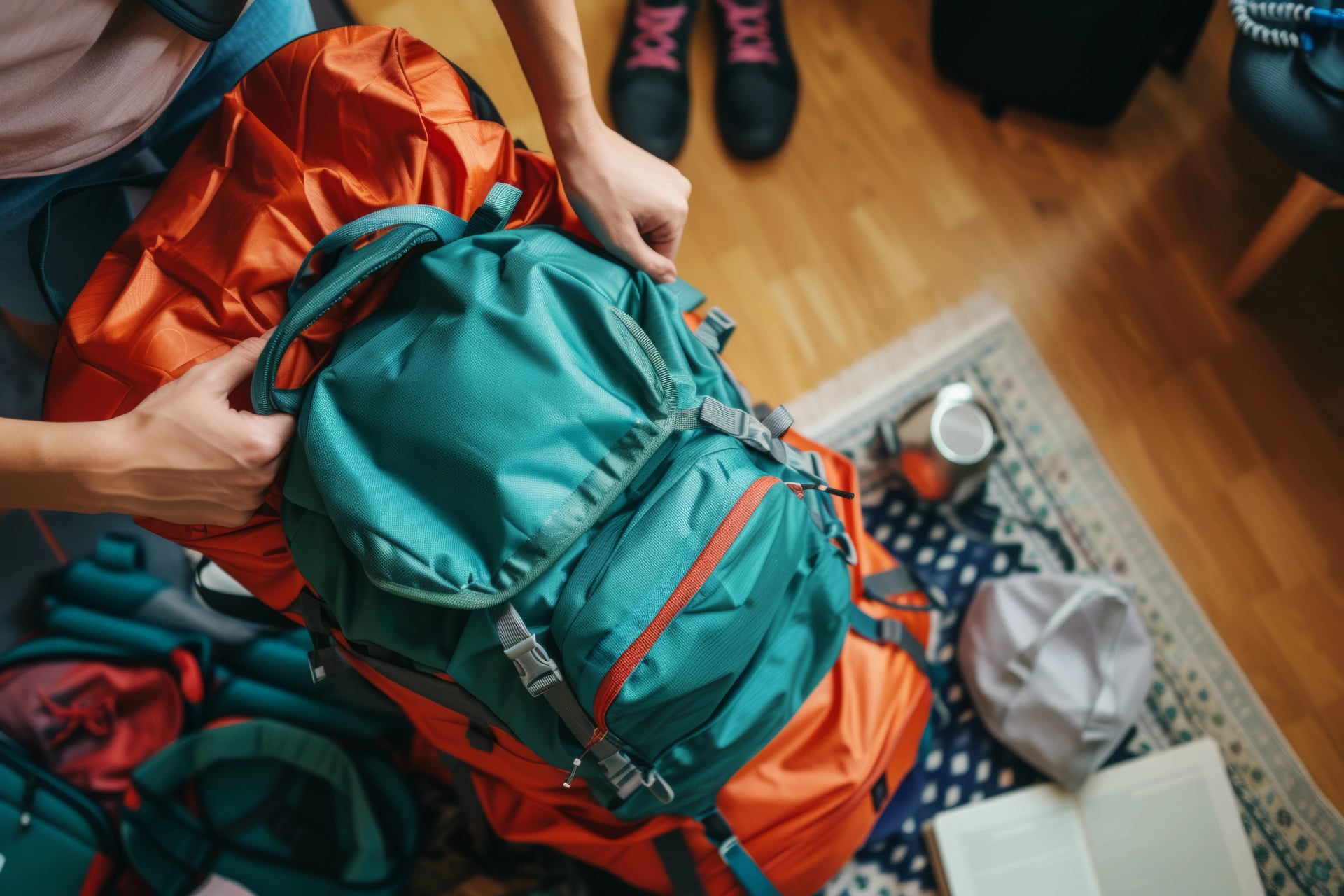
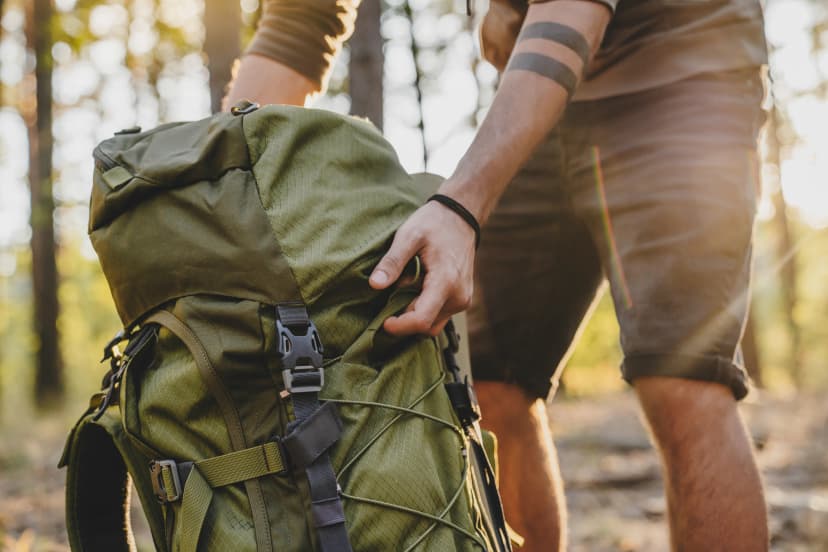
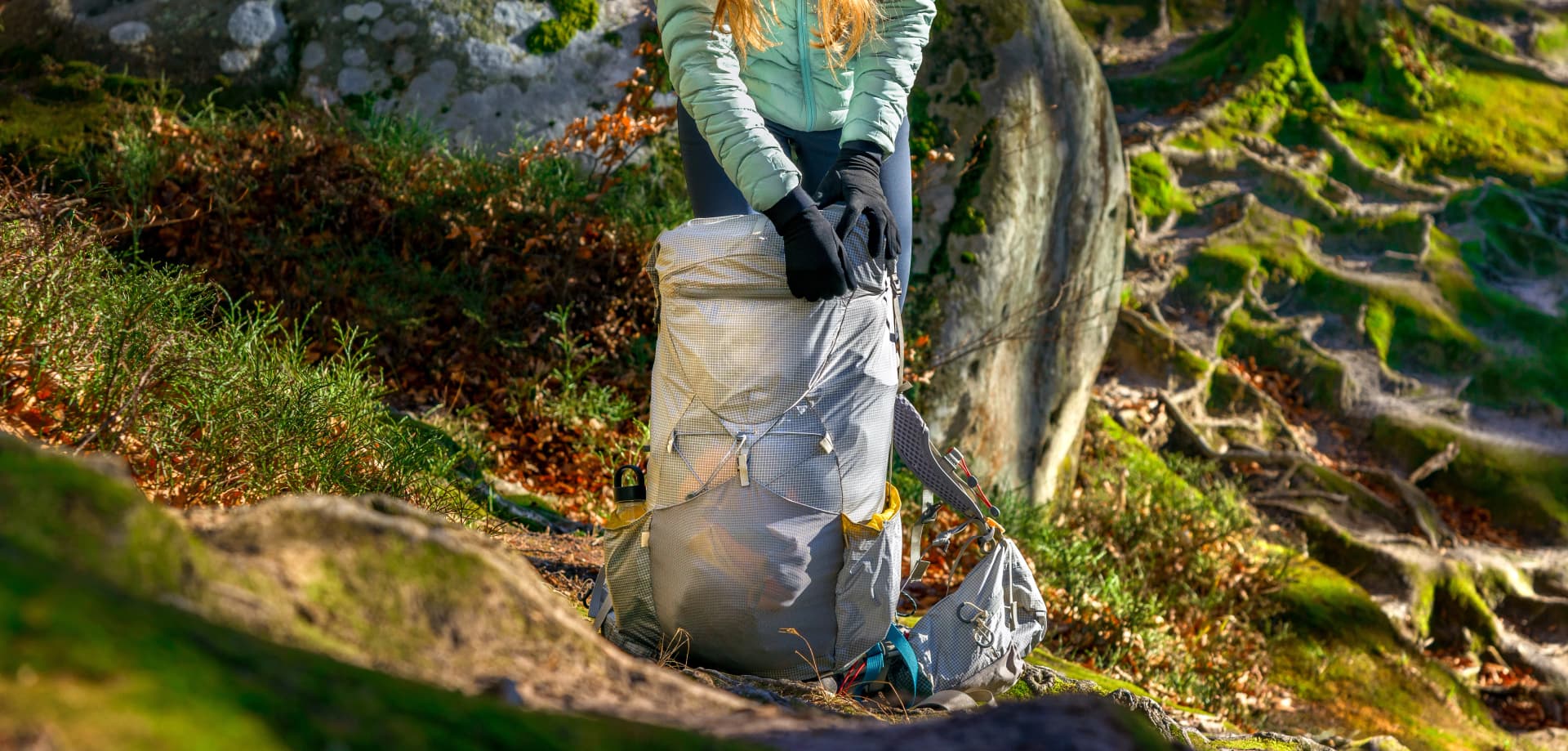
This list assumes a hut-to-hut approach staying in a mix of mountain huts and valley hotels — the standard format for our self-guided tours. If you are carrying camping gear, you will need a larger pack and additional equipment not covered here.
New to the route? Our complete Haute Route guide covers the full itinerary, difficulty breakdown, and first-hand experience from our team.
Core Gear
These are the non-negotiables — the items that every Haute Route hiker carries regardless of season or style.
Clothing — Layer for 15–20°C Swings
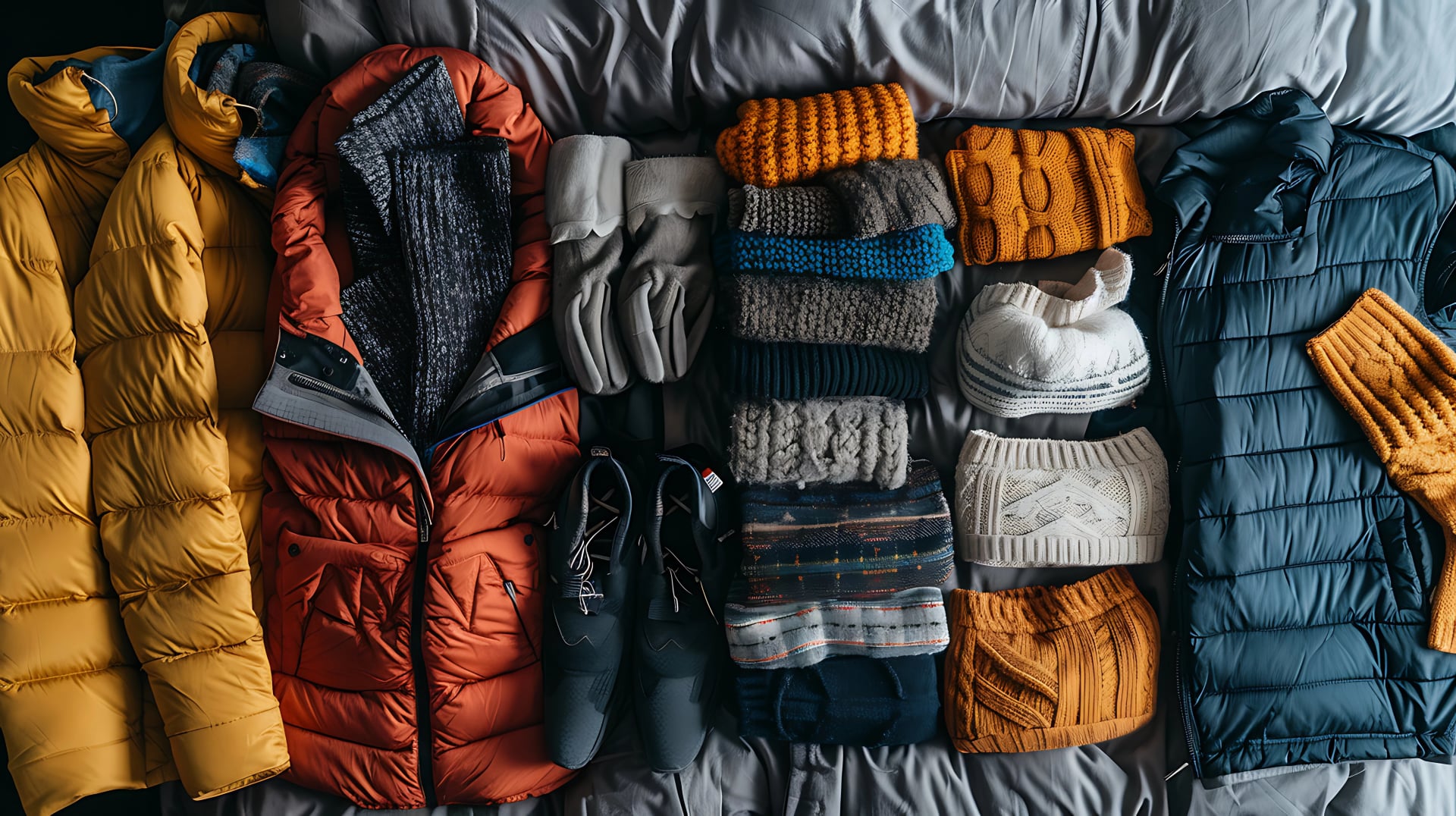
Temperature can swing 15–20°C between valley floor and pass summit on the same day. A sunny morning in Arolla at 18°C becomes 3°C with wind chill on the Col du Tsaté by noon. The system is built around adding and removing layers quickly, not around one heavy jacket.
Base layer
Merino wool long-sleeve top — the best multi-day fabric for odour control; you will wear it for days between proper washes
Lightweight sports T-shirt for warm valley sections and lower-altitude stages
Mid layer
Fleece or synthetic insulating jacket — the workhorse layer for mornings, pass crossings, and any time the sun disappears behind a ridge
Outer layer
Hardshell waterproof jacket (Gore-Tex or equivalent) — non-negotiable even in July; afternoon storms arrive fast and being caught on a ridge without protection is genuinely dangerous
Waterproof trousers — pack small, weigh little, and save you on the days that matter
Insulation
Down or synthetic puffy jacket — essential for hut evenings, storm days, and any extended stop above 2,500 m; synthetic retains warmth better if it gets damp
Lower body
Hiking shorts for warm days + lightweight long trousers for cold mornings and hut evenings
Zip-off trousers work if you prefer a single pair
Accessories
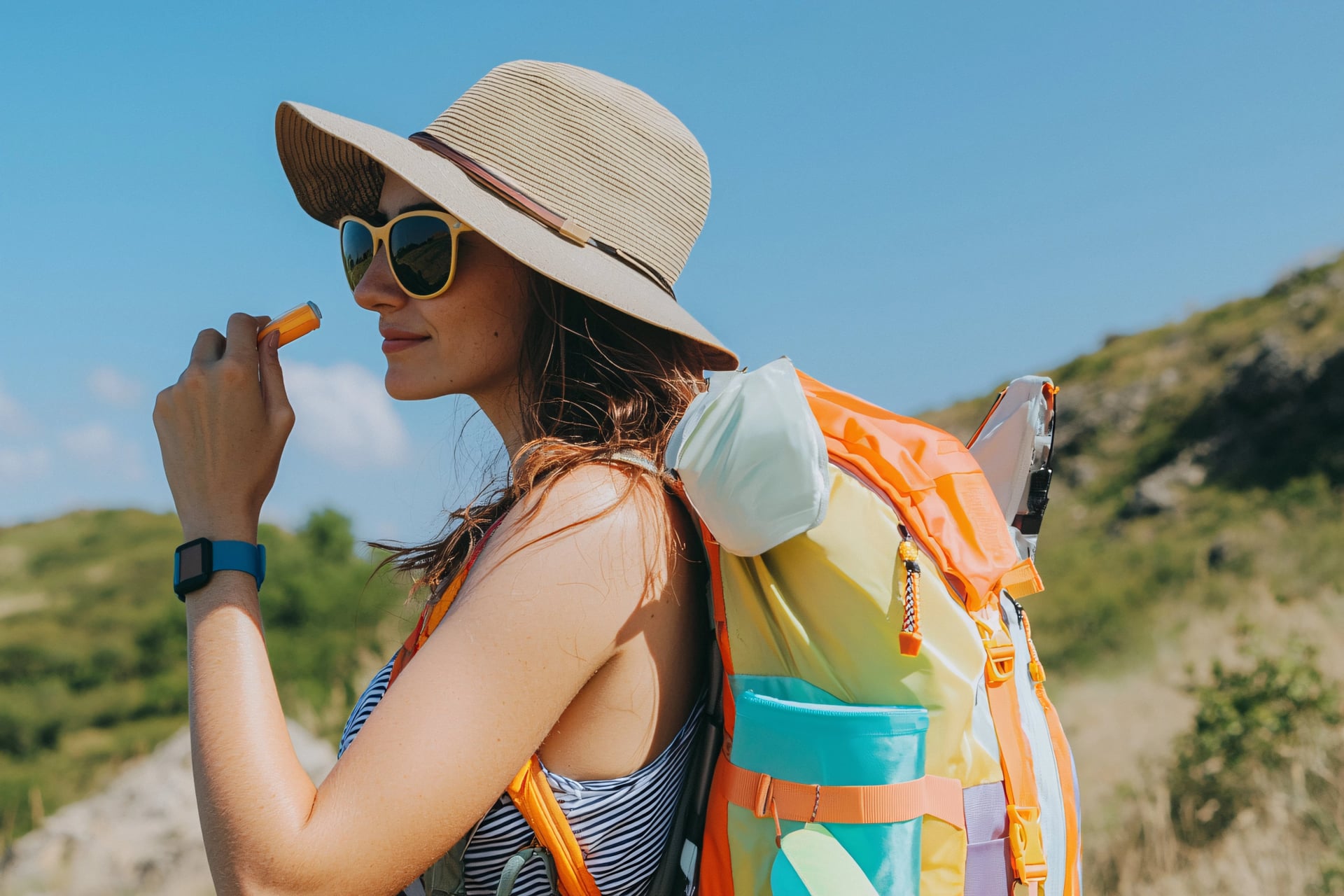
Warm hat and sun cap — you will use both, often on the same day
Lightweight gloves — mornings above 2,500 m are cold even in August
3–4 pairs hiking socks (merino preferred for moisture management and blister prevention)
One lightweight set of evening clothes for huts and hotels
Andrea Ference published an honest packing retrospective after her 10-day traverse — including what she packed, what she actually used, and what she wished she had left at home. Worth reading before you finalise your own list.
Essentials and Safety
These sit outside the clothing and gear categories but are equally non-negotiable — and the items hikers most often forget or underestimate.
What Changes by Season
You do not need to overhaul your packing list for different months — but a few targeted adjustments make a real difference to comfort and safety.
July and August (Lightest Configuration)
Storm gear still mandatory despite warm temperatures — afternoon thunderstorms are routine, not exceptional
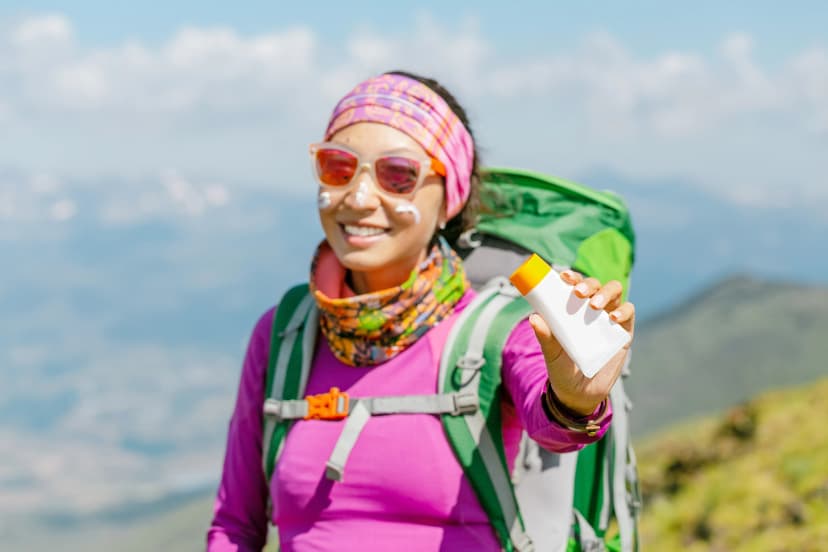
Sun protection is critical; the highest UV exposure of the season
Hut dormitories are warm and busy — earplugs are not optional if you want to sleep
Microspikes can stay home in normal snow years
June and late September (Add Warmth and Traction)
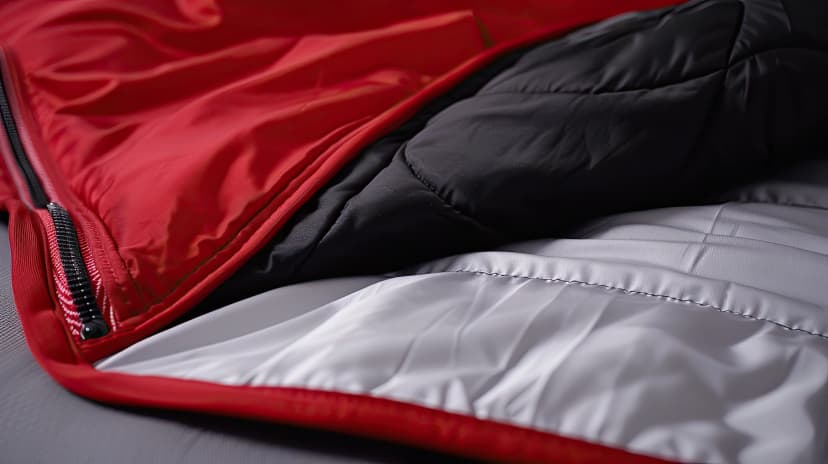
Warmer mid-layer and a heavier sleeping liner; overnight temperatures at altitude drop noticeably
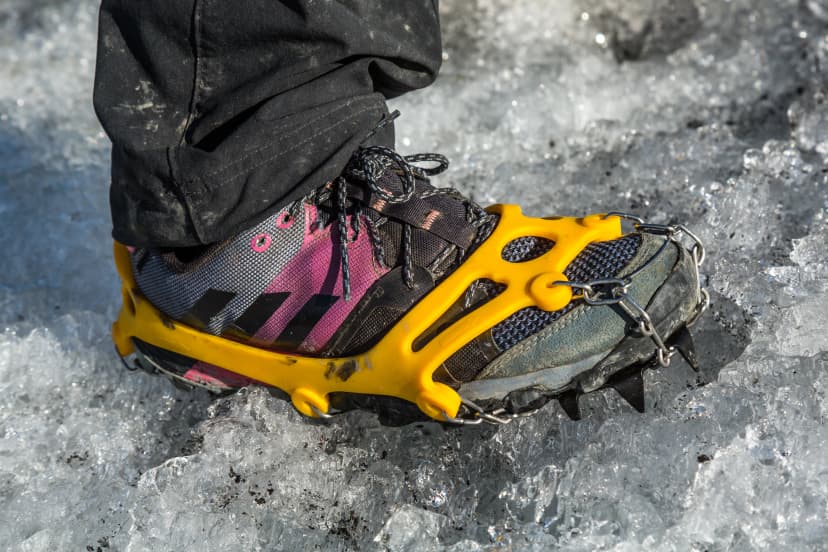
Microspikes become essential — first or residual snow on passes above 2,500 m is a real possibility
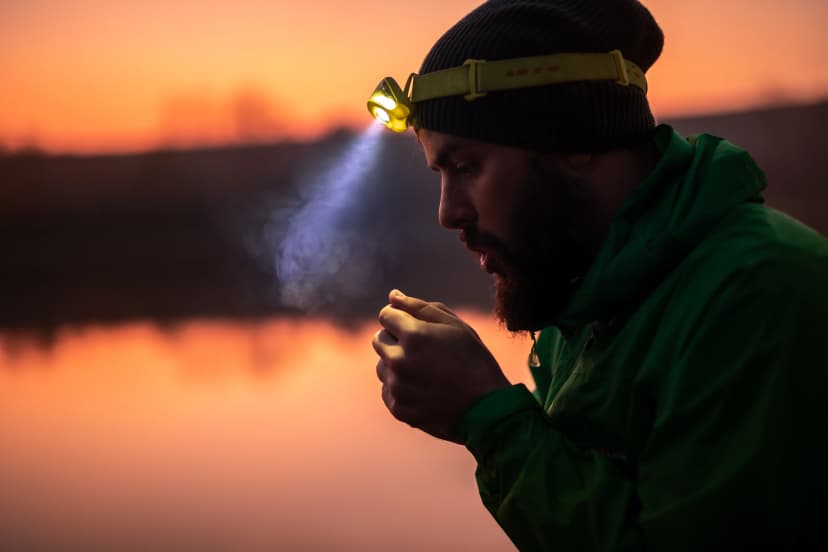
Headlamp gets daily use with shorter daylight; September mornings start in the dark
For a full month-by-month conditions breakdown, our weather guide covers what to expect across the entire season
Planning a September departure? Our autumn hiking guide covers what conditions to expect on the passes and what that means for your kit.
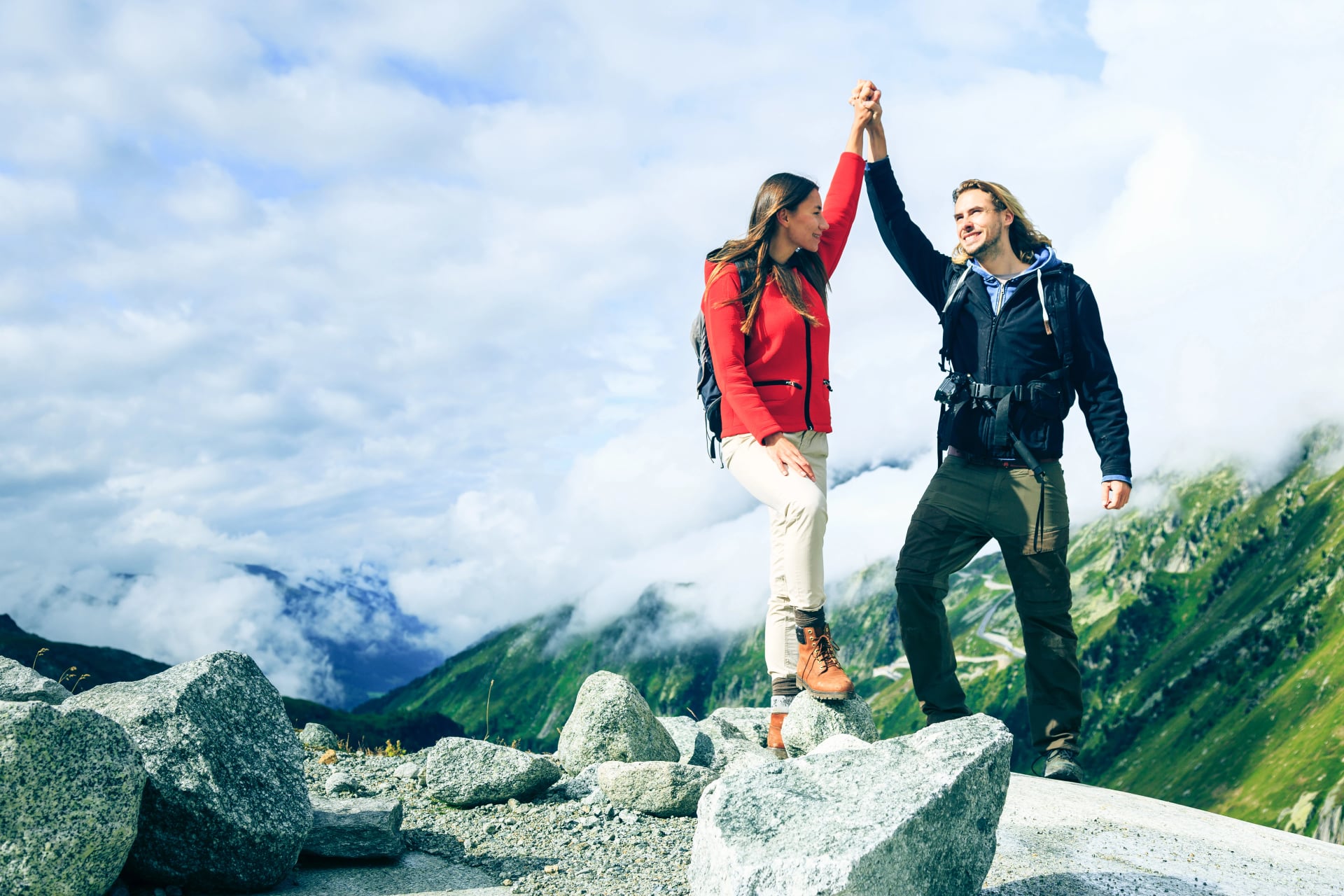
What You Carry on a Self-Guided Tour
On a self-guided tour with us, your overnight stays alternate between mountain huts and comfortable valley hotels — giving you the authentic hut experience on high stages and proper recovery with private rooms, hot showers, and restaurant meals in the valleys between. Luggage transfer between accommodations is available as an optional extra, meaning you can hike with just a daypack while your main bag moves ahead to the next stop.
That changes the packing equation entirely. No tent, no stove, no 15 kg pack — just the daypack contents listed above and whatever you want waiting for you at the other end.
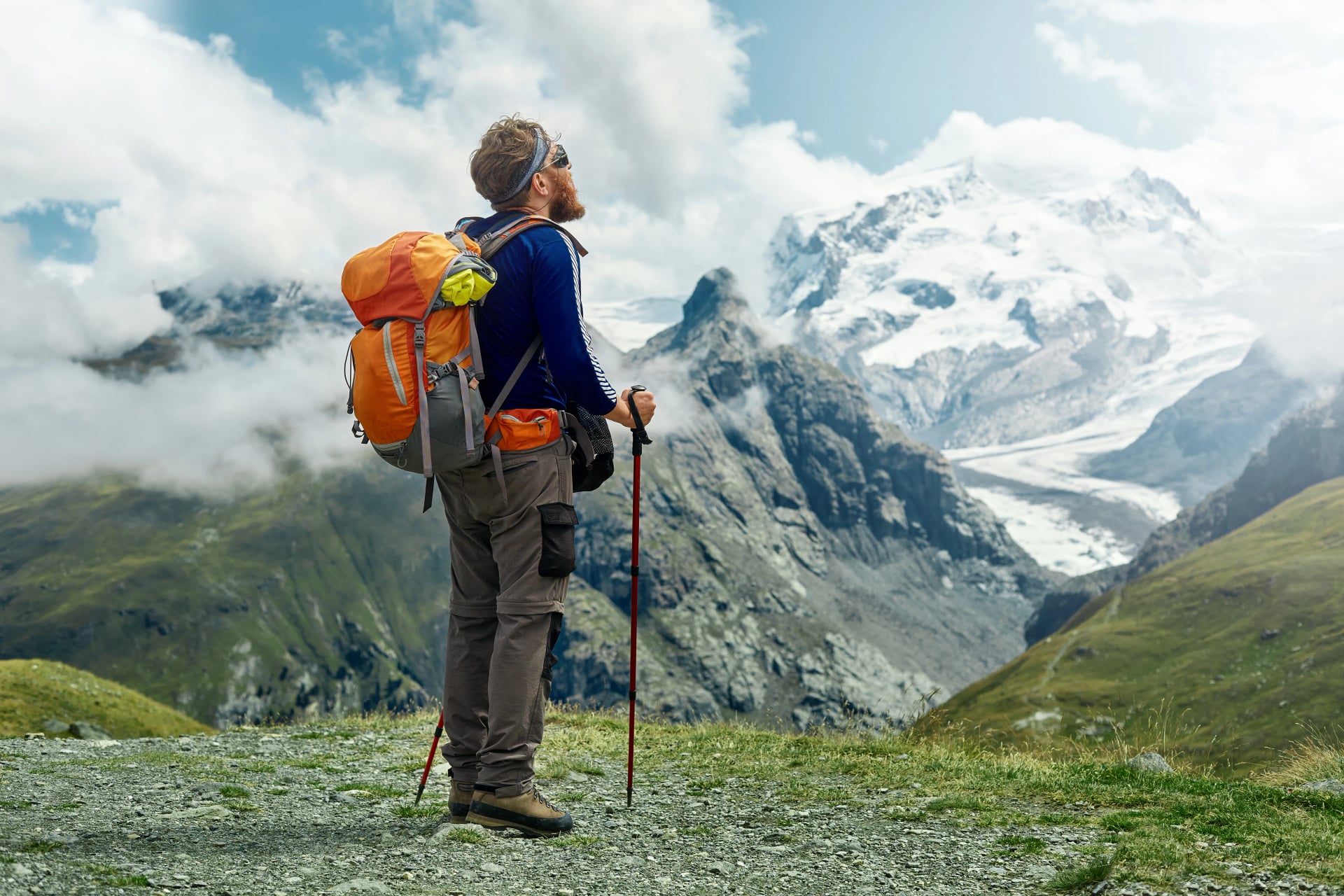
We handle accommodation, GPS routes, and all transport logistics. For a full breakdown of what each version costs and what is included, see our Haute Route cost breakdown.
Hiking the Via Alpina instead? The packing principles are similar — see our Via Alpina guide for route-specific notes on accommodation and gear.
Ready to Start Planning?
Browse all Swiss hiking tours to find the right route for your experience level and timeline, or book a free consultation to discuss timing, route version, and what to expect on the trail. We are happy to help you get the packing — and everything else — right.
Once your kit is sorted, the next step is getting to the trailhead — our guide to Switzerland's hiking towns covers every airport, train connection, and regional base.



Plan with a hiking expert
Free advice from a team that knows these routes inside out - real people, not a bot

Hassle-Free
We handle itineraries, accommodations, and anything else you prefer not to deal with, so you can enjoy a carefree hike.

Book with confidence
We are a financially protected company, fully bonded and insured, keeping your money safe and allowing you to travel with confidence.

Tried & Tested Adventures
Only the best hut to hut hikes of Switzerland, cherry-picked by our local team with an in-depth knowledge of the region.

Unbeatable support
Our 24/7 customer support is where we show our passion, bringing you a better experience by making your well-being our number one priority.