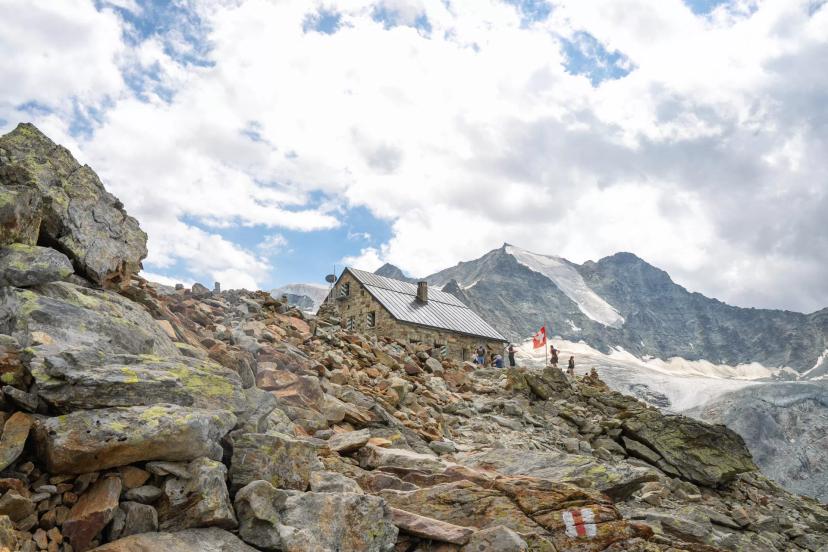
Swiss Hiking in Autumn: The Golden Window
Discover why experienced hikers choose autumn for Switzerland — a practical guide to September, October, and November conditions, trails, and tours.

Jon
Published March 5, 2026
Edited March 16, 2026
8 min read
Don't want to read all this?
We've planned 2,000+ hiking trips. Send your dates, fitness and group size — we'll map the route and book every night.



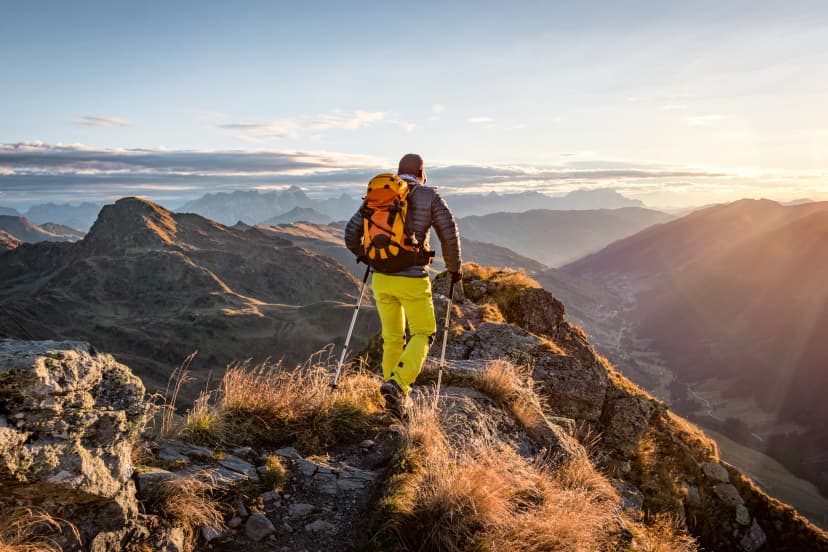
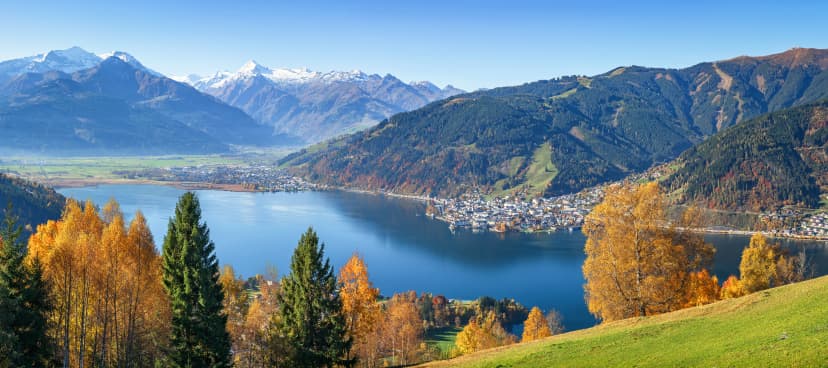
Autumn is the season experienced Swiss hikers come back for. The trails are open, the huts are running, the summer crowds have gone home — and the mountains enter the most visually dramatic phase of the entire year.
Here is what you are working with:
Season window: Full high-alpine access through mid-September; progressive closures from late September; lower routes viable into late October
What's open: All major trails and most SAC huts through mid-September; huts close progressively through October; cable cars operate on reduced autumn schedules
What's closed: High passes begin collecting snow from mid-October; most huts shut by mid-October; November effectively ends the hiking season
Daylight hours: September ~12.5 hrs; October ~10.5 hrs; November ~9 hrs — shortening noticeably week to week
Temperatures: 8–18°C in valleys; 2–10°C at altitude; frost above 2,000 m increasingly common from October
Crowds: Dramatically reduced after European school holidays end in early September
Best for: Returning hikers, photography-focused trips, anyone who values solitude on the trail, and all tour options through mid-October
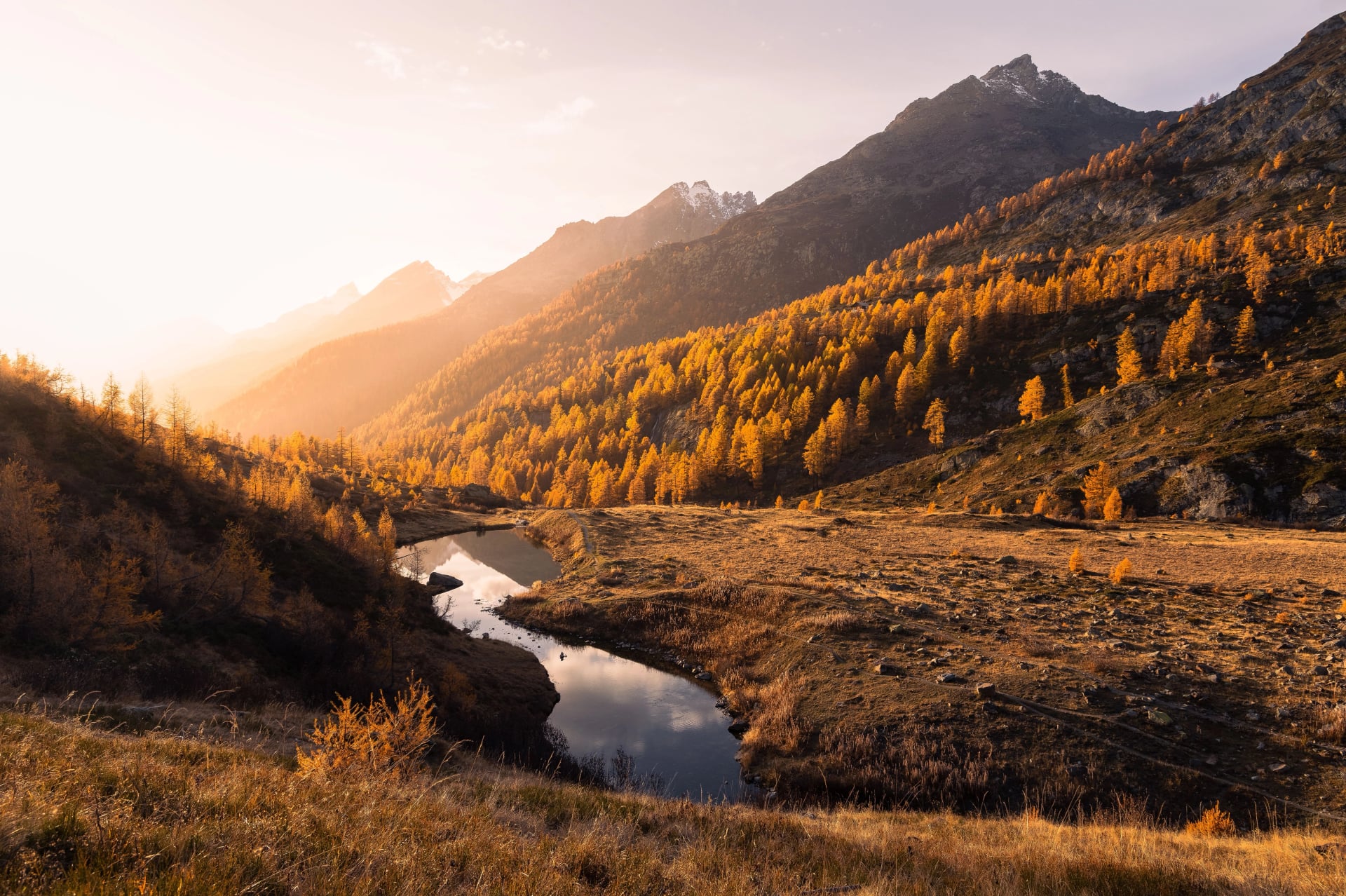
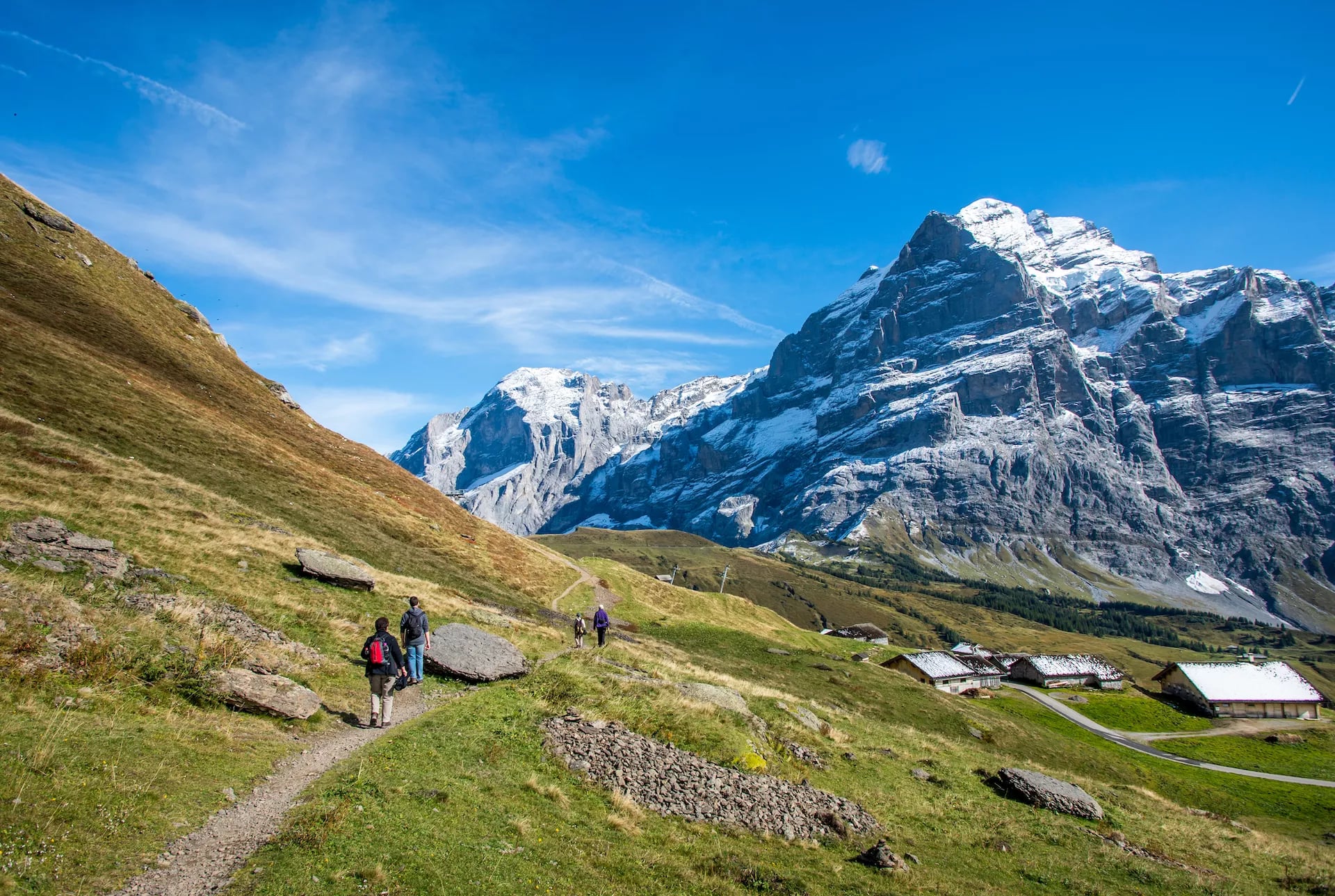
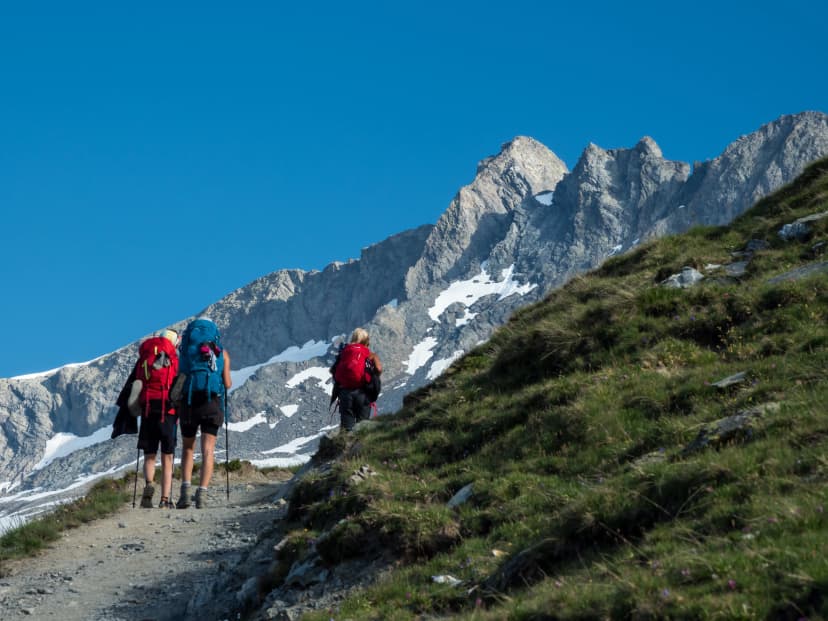
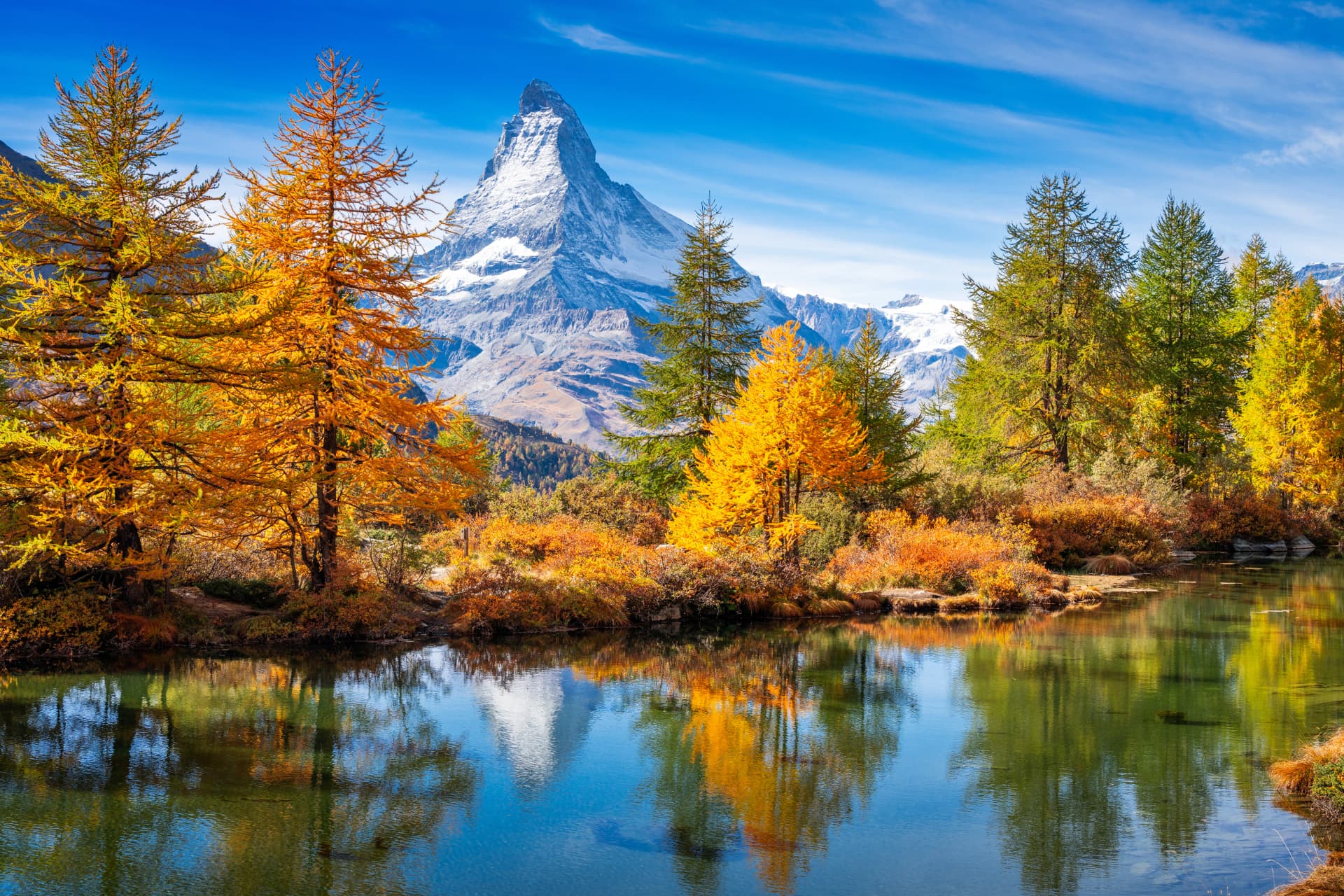
Between early September and mid-October, Switzerland's alpine network remains fully operational while visitor numbers drop sharply. The routes that were booked out in August — the Walker's Haute Route, the Via Alpina, the Bernese Oberland passes — become available on shorter notice, often with better weather and always with better light. All of these feature in our guide to the top hikes in Switzerland — autumn is when experienced hikers finally get them to themselves.
Autumn is not the end of the hiking season — it is the part of the season most visitors never see. The sections below explain what each month delivers, what changes from summer, and where to go.
How September, October, and November Differ
Not all autumn months are equal. September still feels like a generous extension of summer. October narrows fast. November is effectively over for alpine hiking.
What Changes in Autumn?
These are not minor adjustments — they are the practical differences between a well-planned autumn trip and one that runs into avoidable problems.
Hut closing dates vary and are non-negotiable. SAC huts do not follow a fixed calendar — each sets its own closing date based on conditions, bookings, and warden availability, typically falling between late September and mid-October. A September booking is usually safe; an October booking needs direct confirmation. Verify individually before planning any overnight above valley level. Build your autumn itinerary with verified dates — get in touch and we can confirm current availability for any departure.
Weather windows are shorter and sharper. Autumn high-pressure systems deliver the clearest, most stable conditions of the entire year — but when they break, the shift is fast and significant. Snow on high passes in October is not unusual; it happened on the Hohtürli and Col de Riedmatten in early October in several recent seasons. Check SchweizMobil daily and maintain a lower-altitude backup for every high stage. For a detailed month-by-month weather breakdown, our weather guide for Switzerland has the full picture.
Daylight compression changes your daily planning. September still offers approximately 12.5 hours of usable light; by late October you are working with around 10. That two-and-a-half-hour difference reshapes stage timing entirely — earlier starts, tighter turnaround calculations, and less margin for the slow afternoon pace that long summer evenings forgive. Factor the compression into your planning before you leave, not after you notice it on the trail.
Layers and warmth margin increase. Temperature swings of 15–20°C between valley floor and pass level are standard in autumn, and afternoon shade at altitude drops temperatures fast once the sun moves behind a ridge. A warm mid-layer and wind shell are non-negotiable on any stage above 1,500 m — and stopping for lunch on an exposed col in October without insulation turns cold within minutes. Our packing guide covers autumn-specific layering and gear for Swiss alpine conditions.
Early snow on high passes is real. First dustings can appear above 2,800 m from late September, and sustained snow above 2,500 m is possible from mid-October. This does not mean the season is over — it means conditions on the high passes of the Walker's Haute Route or Via Alpina need daily verification rather than assumption. A dusting that melts by noon is different from overnight accumulation that changes the route's character entirely. For route-specific detail on the Via Alpina passes, see our Via Alpina hiking guide.
Why Autumn Is Worth It
These are the experiences that either exist only in autumn or are measurably better in the September–October window than at any other time of year.
How Autumn Compares to the Other Seasons
Autumn sits between summer's full access and winter's closure. It inherits summer's open infrastructure but sheds the crowds. It offers visual drama — the larch gold, the crystal light, the sharp ridgelines — that no other season matches. The trade-off is a narrowing window: what works perfectly in September requires flexibility in October and becomes impractical in November.
Summer delivers maximum access, maximum infrastructure, and maximum company — it is the right choice for first-time Swiss alpine hikers and anyone with a specific high-altitude route in mind. Our guide to hiking in Switzerland in summer covers that season in full.
Spring offers wildflower meadows, snowmelt waterfalls, and genuinely empty trails at the cost of a significantly reduced route menu — our spring guide explains what is and is not viable.
Winter is for snowshoe circuits and valley walks with solitude that no other season approaches, but the high alpine world is entirely closed — our winter guide covers that reality honestly.
Each season makes a different argument. Autumn's argument is the strongest for anyone who has hiked Switzerland before and wants to see it at its most beautiful and its most quiet.
Tours That Shine in Autumn
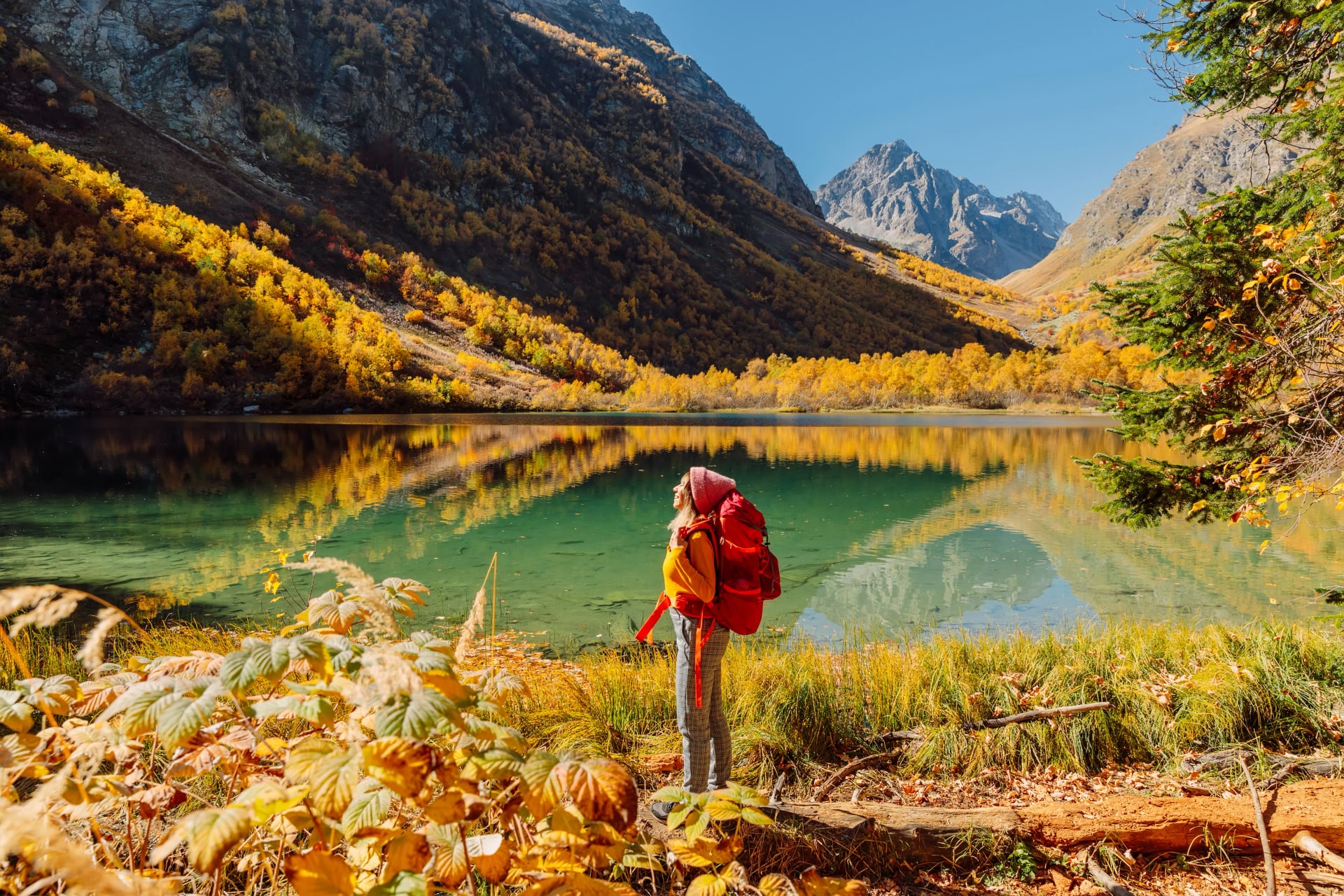
Most of our portfolio runs through mid-October, but these three are particularly strong autumn choices — either because the route geography suits the season's conditions, or because the experience is measurably better without summer crowds.
1. Via Alpina: The Bear Trek
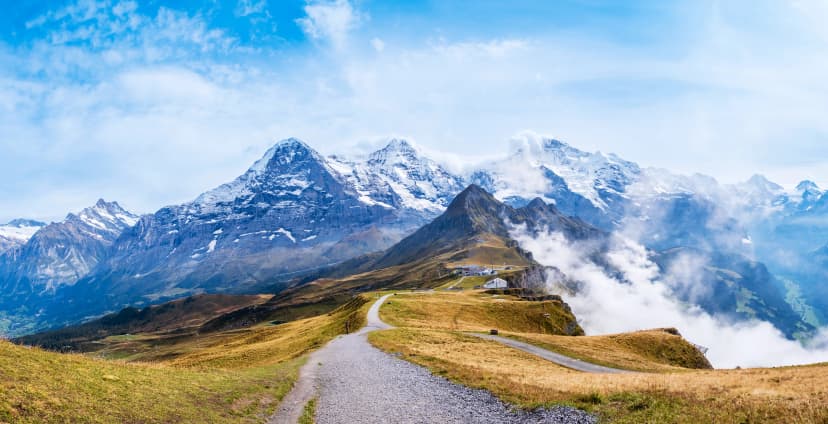
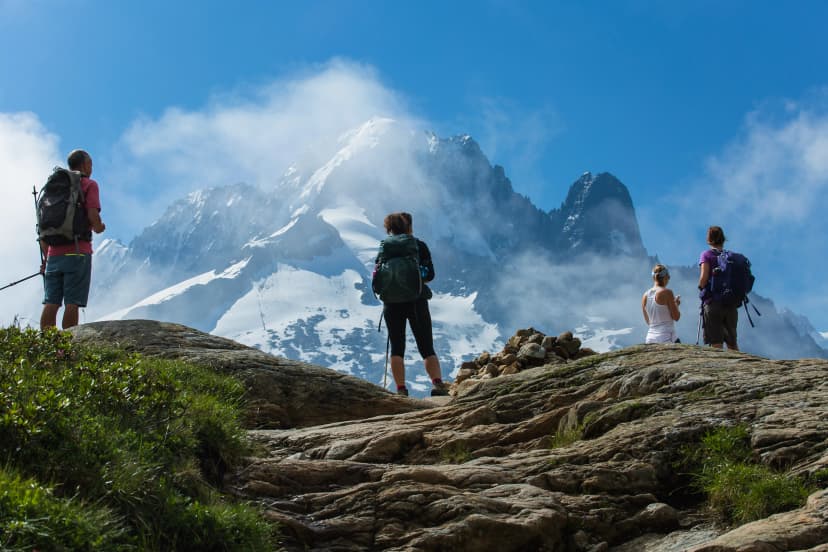
The Bernese Oberland in September is arguably the Bear Trek at its absolute best. The Hohtürli Pass (2,778 m) is reliably clear through mid-September, hut bookings are significantly easier than August, and the Eiger–Mönch–Jungfrau panorama gains the sharp autumn clarity that summer haze softens. Nine days through the heart of the Oberland with larch forests beginning to turn in the lower valleys. September is the sweet spot; early October is possible in good years but requires active conditions monitoring.
2. Aletsch Glacier Panorama Trail
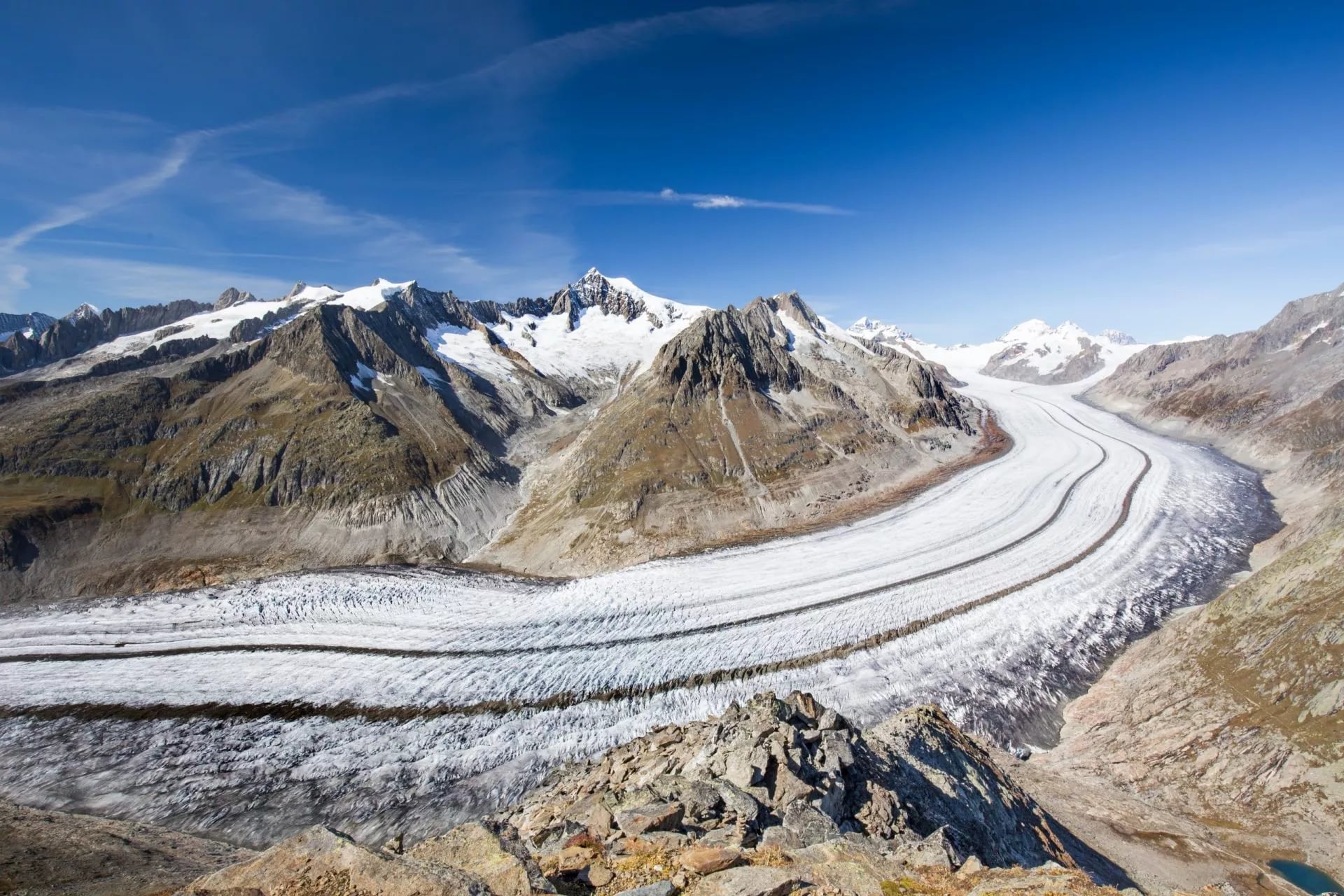
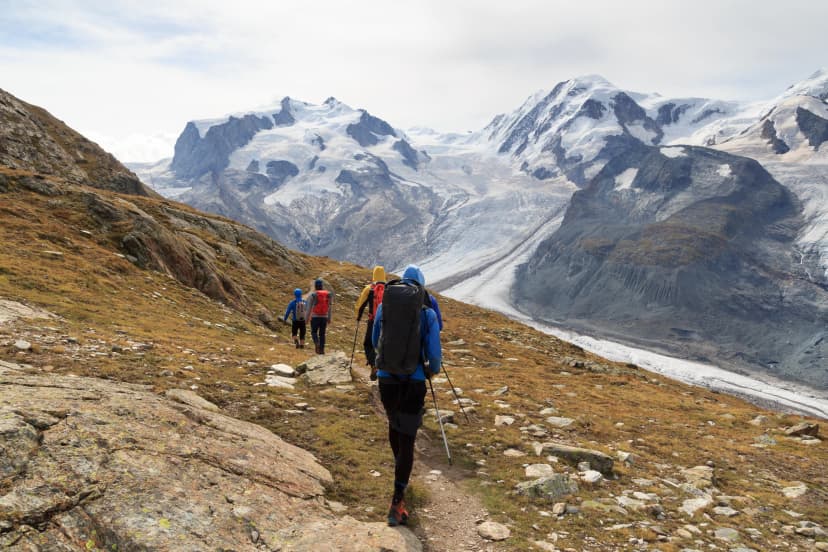
The ridge trail above the Aletsch Glacier runs later into the season than most alpine routes because it follows a panoramic path rather than crossing high passes. The glacier itself — 23 km of ice stretching into the Bernese Oberland — gains striking visual contrast against the golden larch forest on surrounding slopes in October. Lower technical demand and altitude make this viable well into October in most years. The most accessible autumn option in the portfolio and a strong choice for hikers who want the scenery without the accumulated fatigue of a longer multi-day route.
3. Alpstein High Trail Highlights
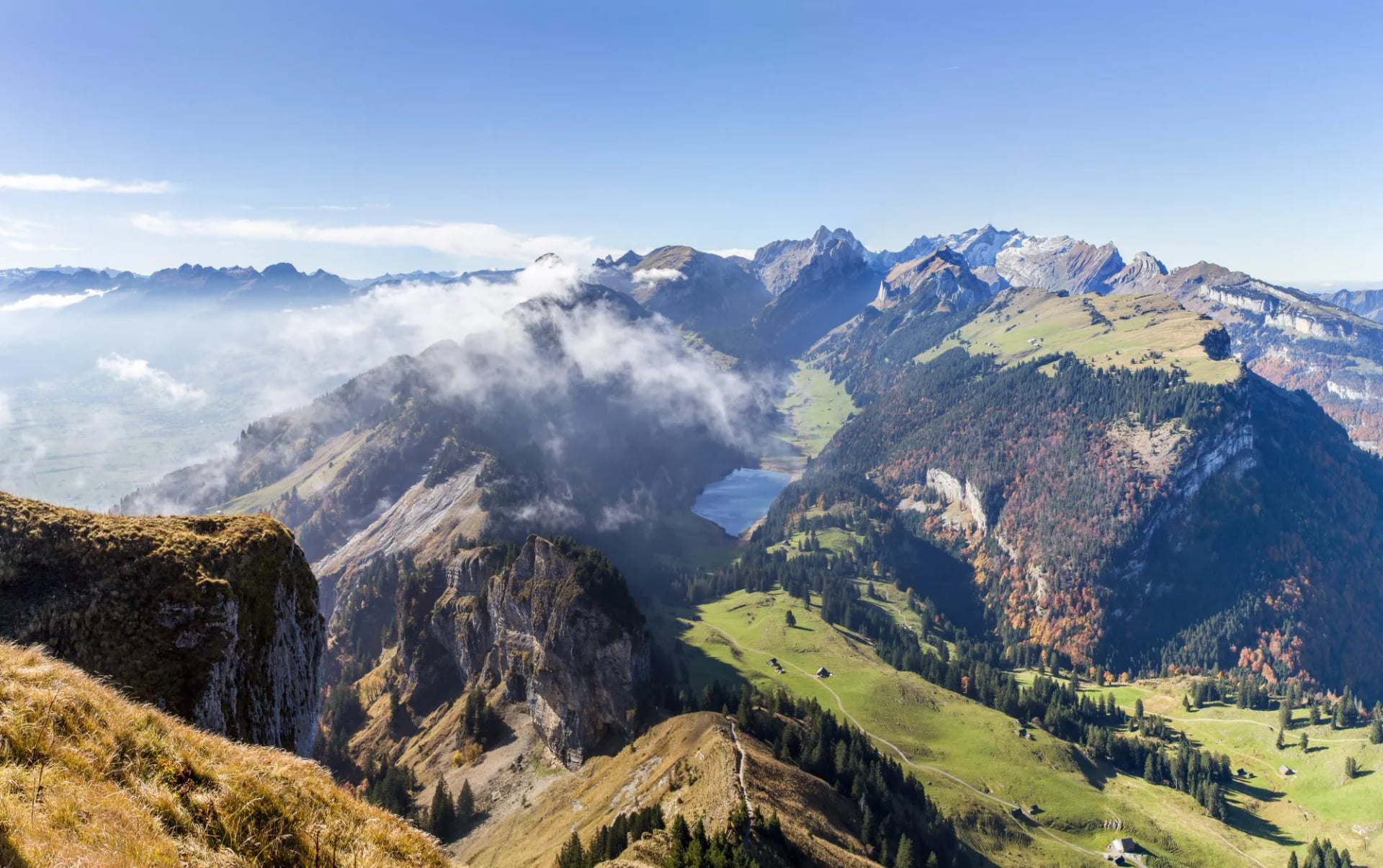
The Alpstein massif tops out around 2,500 m — lower than Valais or Bernese routes — which extends its viable season by two to three weeks. The limestone ridgeline above Appenzell's rolling pre-alpine terrain catches autumn light distinctively, and the cultural dimension — traditional Appenzell farmhouses, working alpine dairies winding down for the season — is heightened as the pastoral year closes. A strong choice for October departures when higher routes are becoming uncertain, and one of the most culturally distinctive experiences in the portfolio at any time of year.
Autumn Switzerland Is Calling
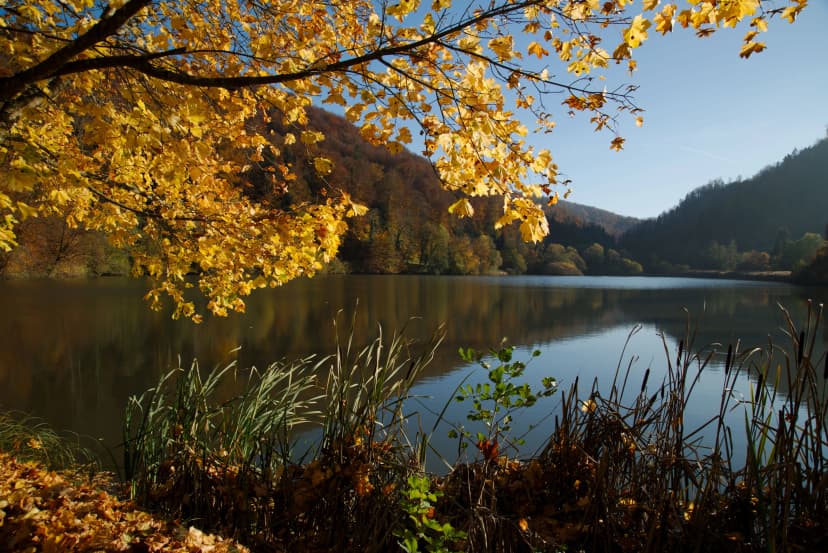
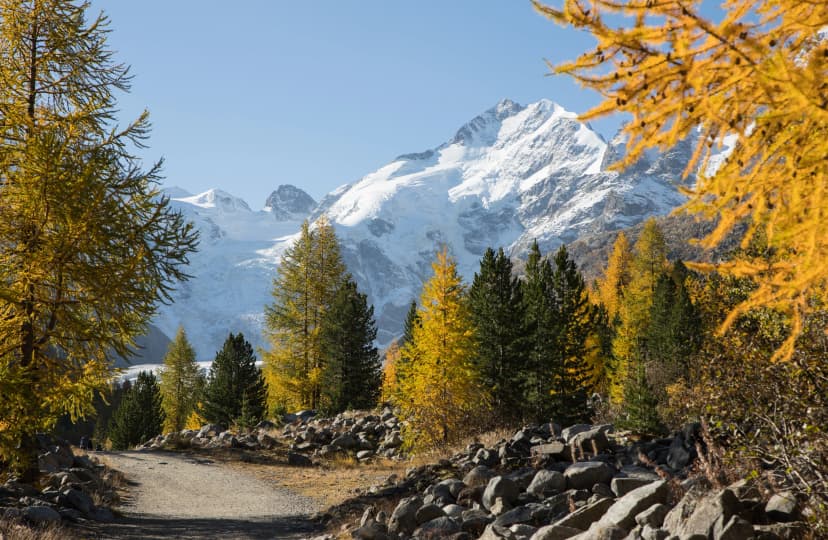
Autumn hiking in Switzerland is a specific choice that delivers specific things: the golden larch forests, the crystal visibility, the empty passes, and the particular pleasure of walking through a landscape entering its most dramatic transformation of the year.
The trade-off — a narrowing window, earlier closures, more variable conditions — is worth making with clear eyes. Come prepared, stay flexible on altitude and timing, and autumn will give you a version of Switzerland that the summer crowds never see.
Browse the full tour selection for all options, or book a consultation to discuss current conditions and the right autumn departure for your trip. Our team of specialists is happy to advise on current conditions and closing dates for any departure you are considering.

About this author
Jon is our travel advisor and an outdoor adventurer who is happiest on the move. While mountain biking is his personal passion, he thrives on crafting hiking adventures for others — planning routes and adding the little touches that turn a trip into a core memory.