Hiking in Switzerland in Spring - Where to Go
March, April, and May open a window into the Swiss mountains that summer hikers rarely see and our guide is here to help you make the most out of it

Jon
Published February 5, 2026
Edited March 16, 2026
7 min read
Don't want to read all this?
We've planned 2,000+ hiking trips. Send your dates, fitness and group size — we'll map the route and book every night.



Slow Season Opening
Here are some of the main things that you need to know when hiking Switzerland in spring:
Season window: Meaningful hiking from mid-March in lower regions; high alpine routes not viable until mid-June at the earliest
What's open: Valley trails, lake circuits, forest paths, south-facing terrace hikes, and lower panoramic routes below approximately 1,200 m
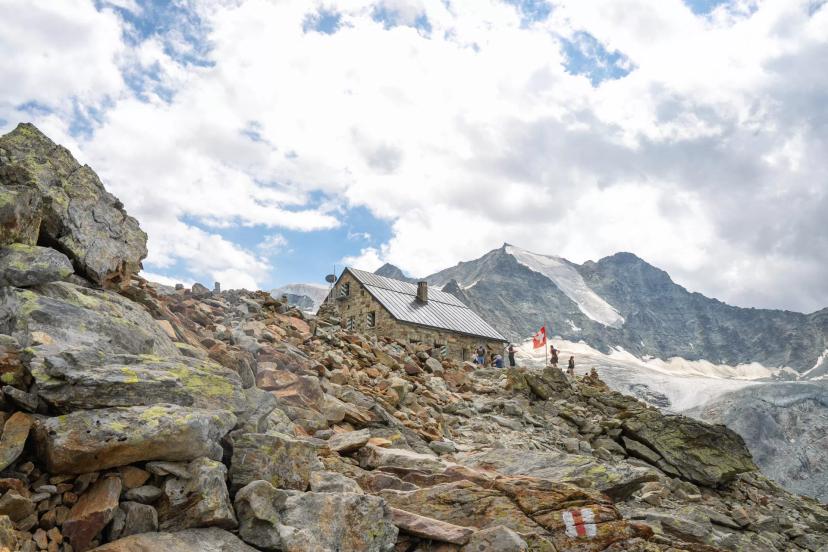
What's closed: High alpine passes; most mountain huts (some open from late May); any route crossing snow-covered terrain above ~1,500 m
Daylight hours: March ~11.5 hrs; April ~13.5 hrs; May ~15 hrs — growing fast and increasingly useful
Temperatures: 5–15°C in valleys; unpredictable above 1,000 m; snowfall possible at any altitude in March and April
Crowds: Minimal — spring is the quietest hiking season on the Swiss calendar
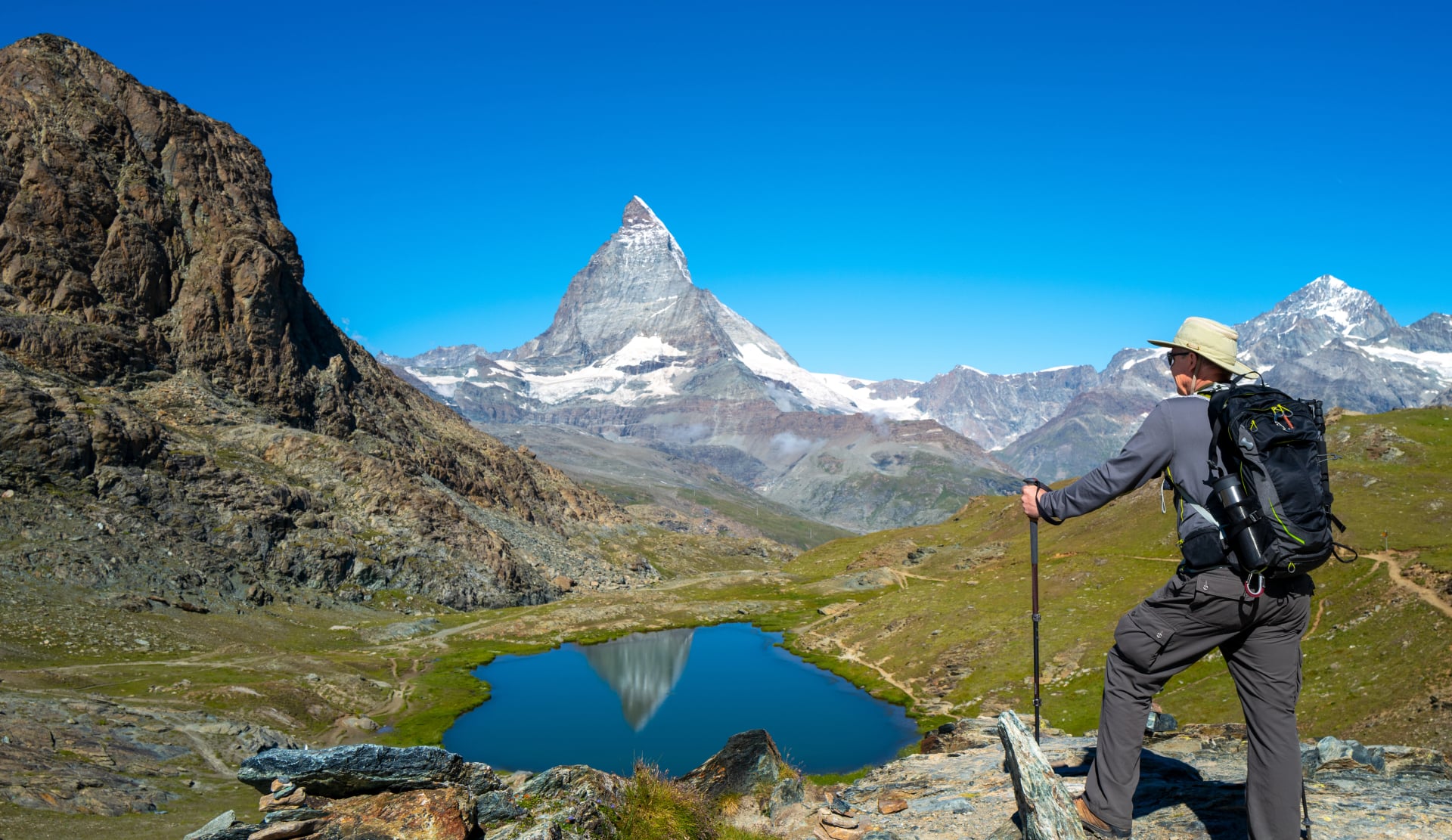
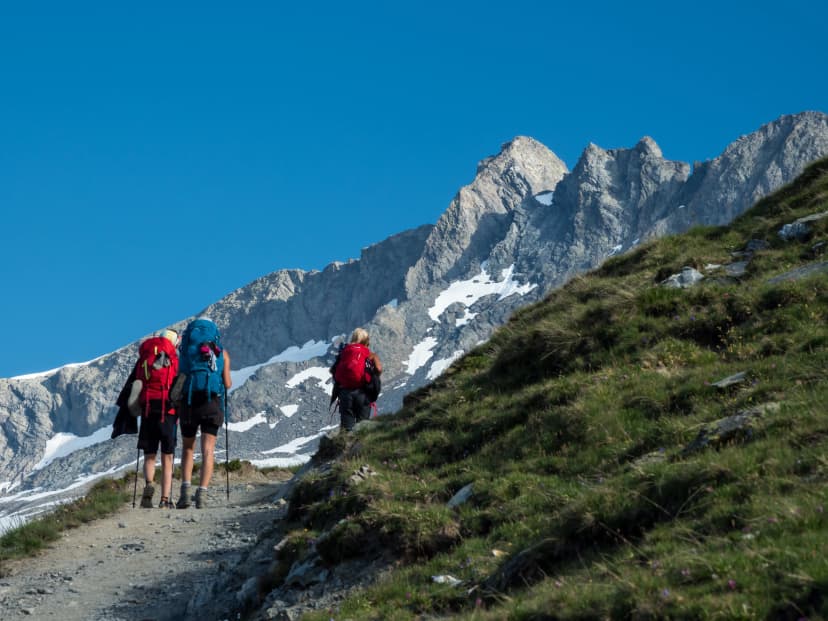
Spring hiking in Switzerland is not a reduced version of summer — it is a fundamentally different season with its own character, its own rewards, and its own rules. The high alpine routes are still closed. The great passes that define the Walker's Haute Route and the Via Alpina hold snow well into June. Most mountain huts don't open until late May at the earliest.
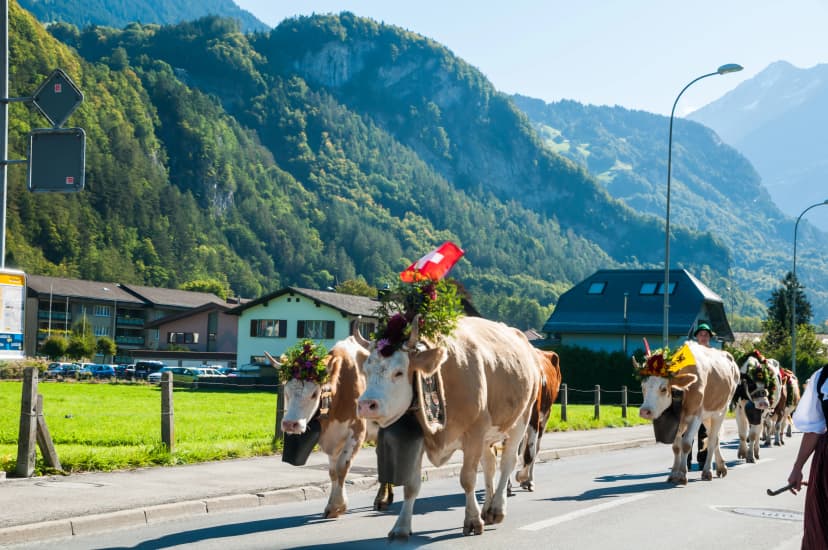
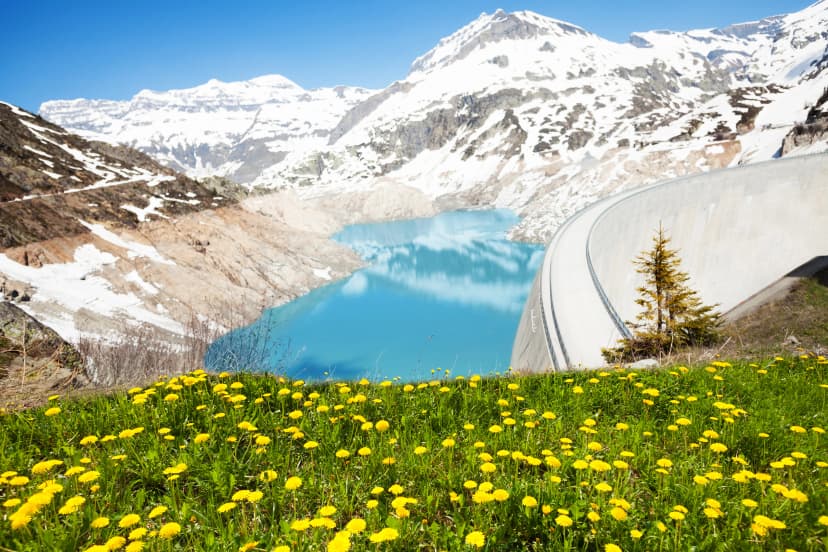
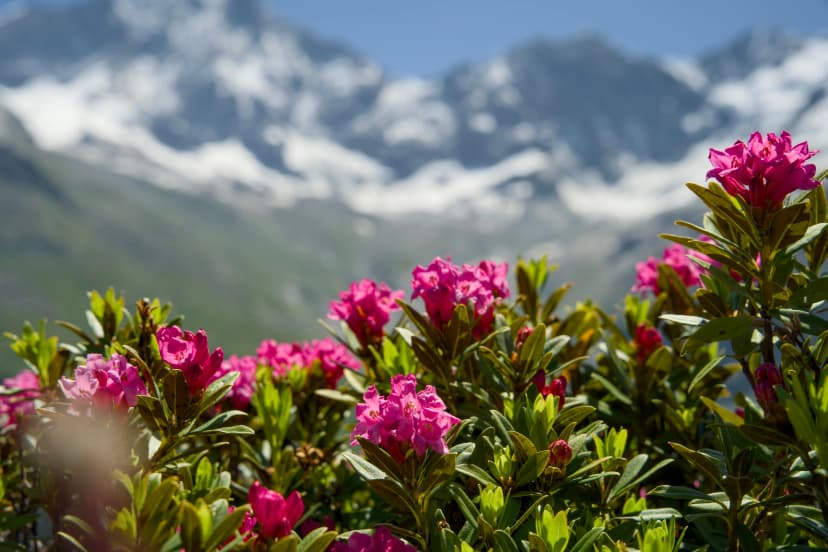
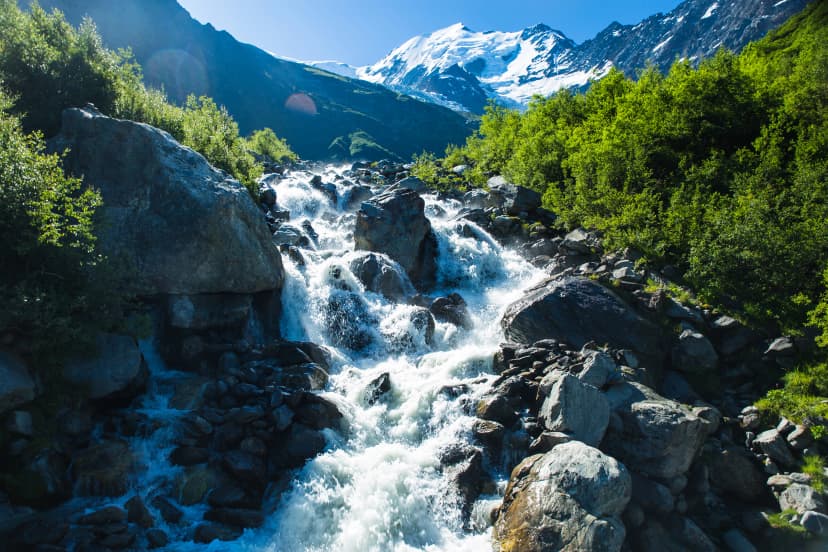
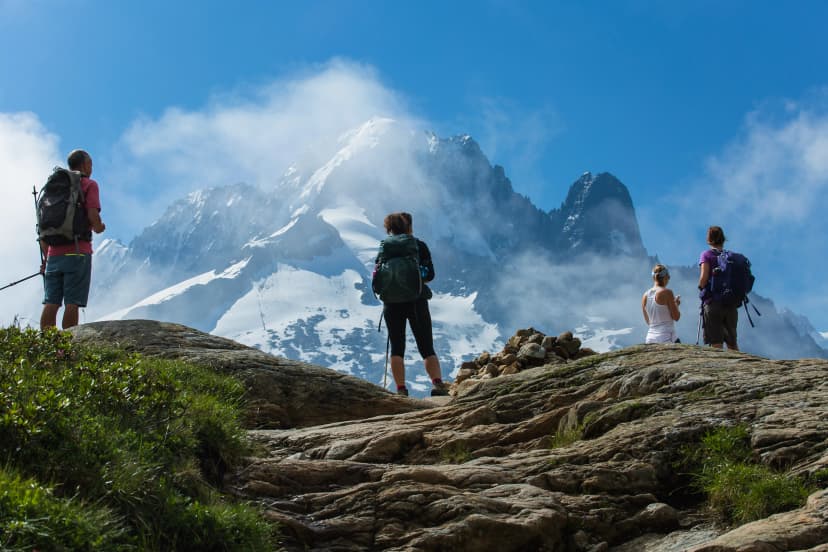
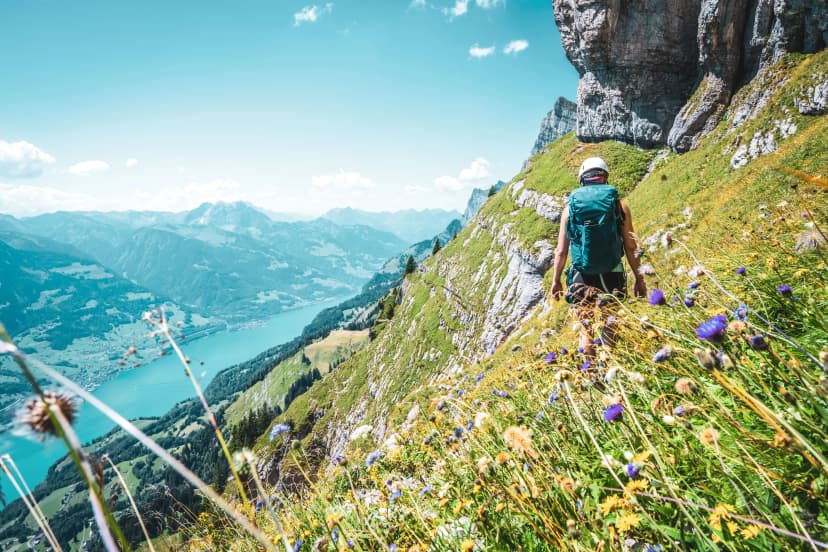
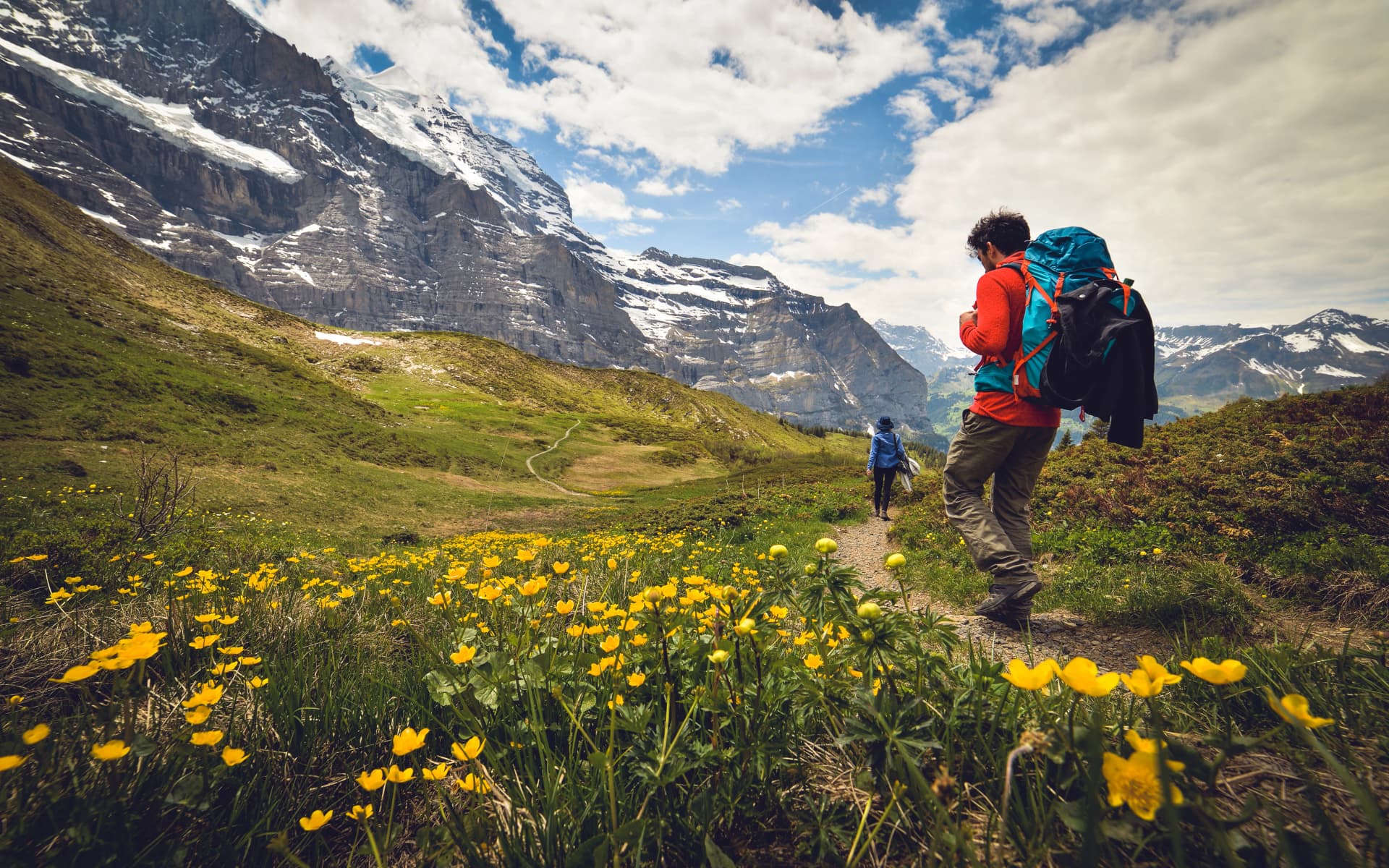
What spring offers instead is something summer cannot: snowmelt waterfalls at full flood, wildflower meadows before the crowds arrive, empty villages, and trail conditions that feel genuinely personal. Spring hiking rewards preparation and flexibility. The high routes are asleep. Everything else is waking up.
Monthly Breakdown
The three spring months are not interchangeable. Each brings different conditions, different access, and a different type of experience on the trail.
What Changes in Spring?
These are not minor considerations — they are the practical differences between a well-planned spring trip and a frustrating one.
Trail conditions are inconsistent day to day. A path that was clear yesterday can be blocked by overnight snow above 1,000 m, and a warm spell followed by cold nights creates icy surfaces on trails that look fine from a distance. Check conditions on SchweizMobil before every outing and treat any report older than 24 hours with caution in March and April specifically. For a month-by-month picture of what weather to expect across the Swiss alpine calendar, our weather guide for Switzerland has the detail.
Snowmelt makes stream crossings more serious. What is a simple rock-hop in August can be a fast-flowing, knee-deep crossing in May after a warm week. Never underestimate water levels following a sustained warm spell, and always scout a crossing before committing to it. If in doubt, turn back — another crossing point is nearly always available downstream.
Hut availability is limited and variable. Most SAC mountain huts don't open until late May or June, and opening dates shift year to year depending on snowpack. Build your spring itinerary around valley accommodation and verify individual hut opening dates directly before planning an overnight above valley level. The last thing you want is to arrive at a hut that opened two weeks later than expected.
Layers matter more than in summer. Temperature swings of 15°C between a valley floor at 600 m and a trail at 1,200 m are common in spring. A warm morning can become a cold, wet afternoon with almost no notice. Pack a wind layer and a warm mid-layer regardless of the morning forecast, and never leave valley level in April without waterproofs in your pack. For a full gear breakdown suited to Swiss alpine conditions, our packing guide covers what to bring for every season.
Key Spring Highlights
These are the experiences that are either unique to spring or significantly better in the March–May window than at any other time of year.
How Spring Sits Between the Other Seasons
Spring is one part of a three-season hiking picture in Switzerland. If you are weighing up timing and want to compare what each season actually delivers, our guides to Switzerland hiking in winter, autumn and in the summer give you the full picture side by side. Winter is for snowshoe trails and valley walks with no crowds and no hut culture.
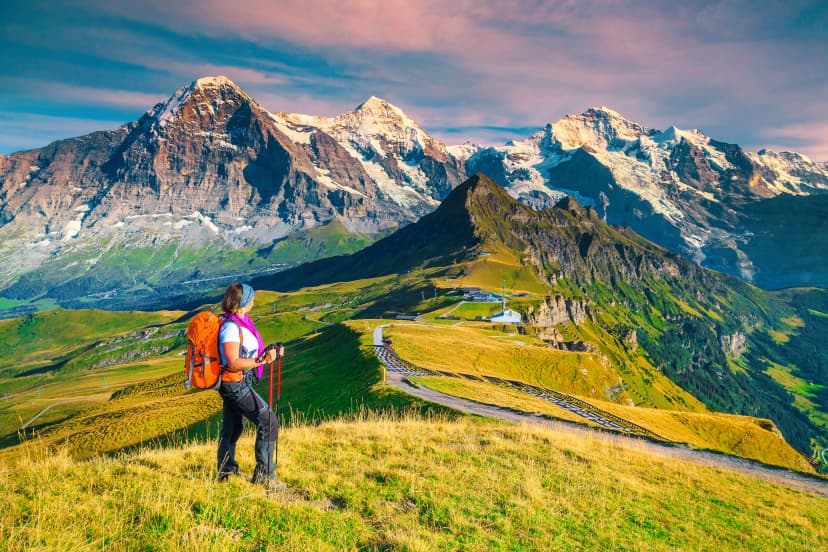
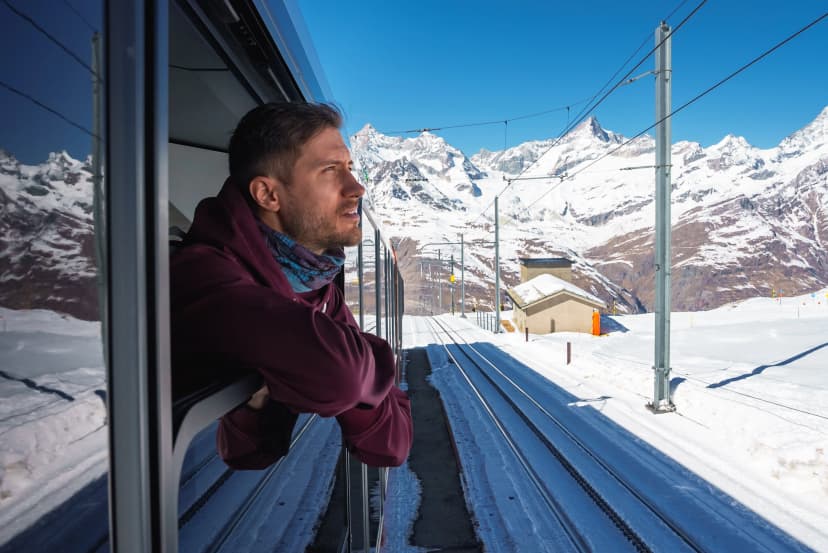
Arriving by train into one of the main hiking towns of Switzerland is the easiest way to reach the lower spring trails — no car needed.
Summer is for the full high-alpine network, all passes open, every hut operational. Spring sits between them: more access than winter, fewer people than summer, and a set of natural highlights — the flowers, the waterfalls, the quiet villages — that neither of the other seasons can match.
Three Tours That Work in Spring
The majority of our tour portfolio requires conditions — open high passes, operational mountain huts, snow-free trail surfaces — that don't exist before mid-June. Three tours, however, run at altitudes that allow for an earlier opening window, and are worth serious consideration for a late May departure.
If you are planning a spring trip and want to discuss current snowpack and exact opening availability before committing, the best starting point is an inquiry — opening dates vary year to year and we can give you an accurate picture based on current conditions.
1. Aletsch Glacier Panorama Trail
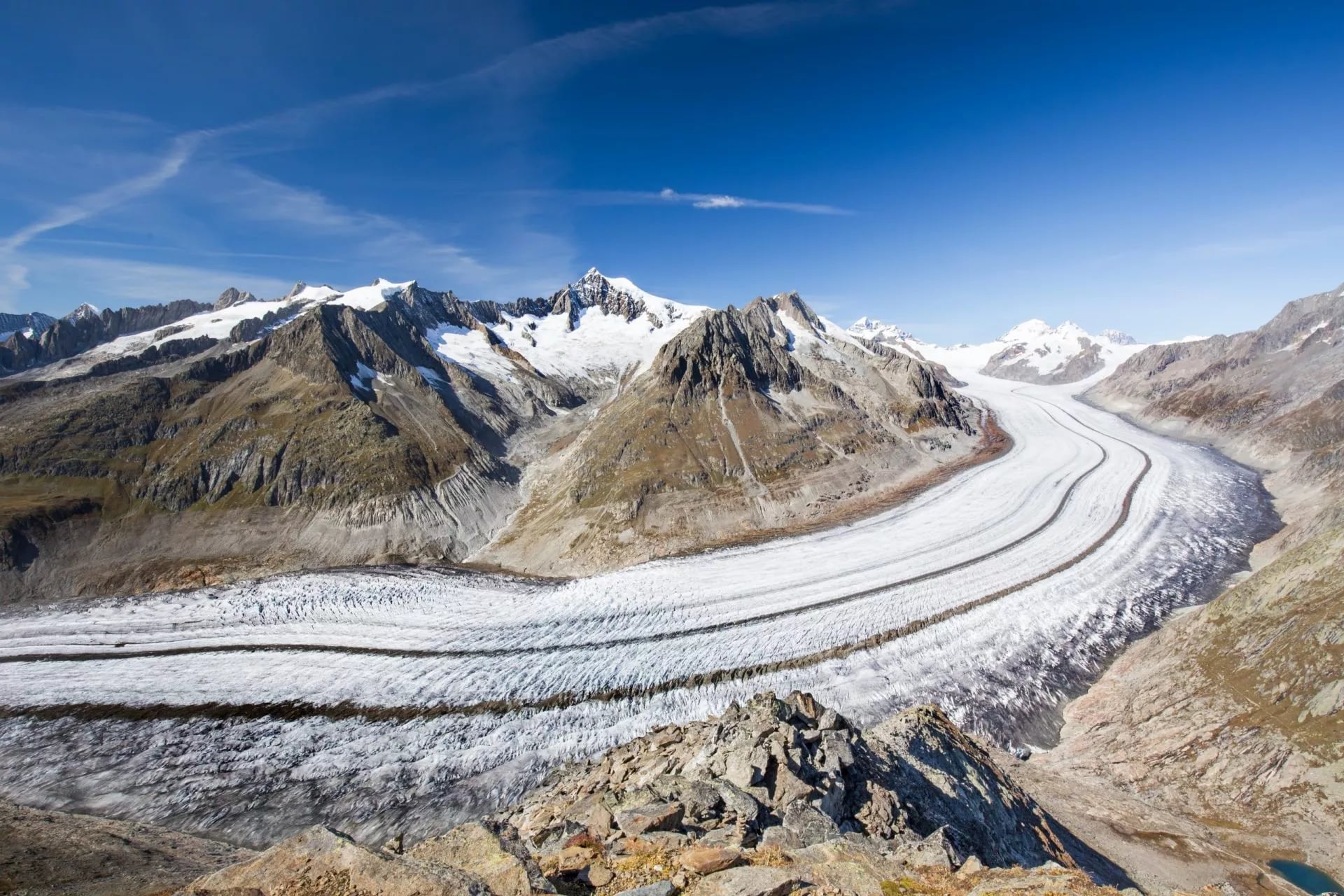
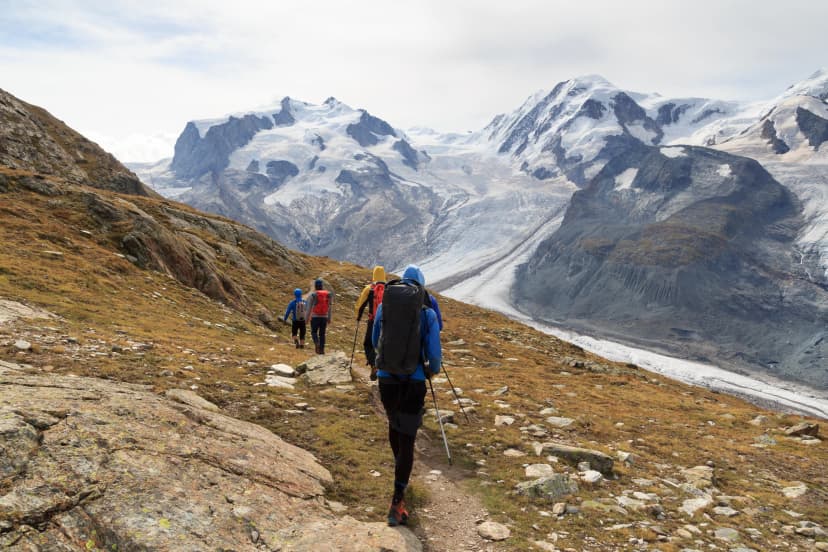
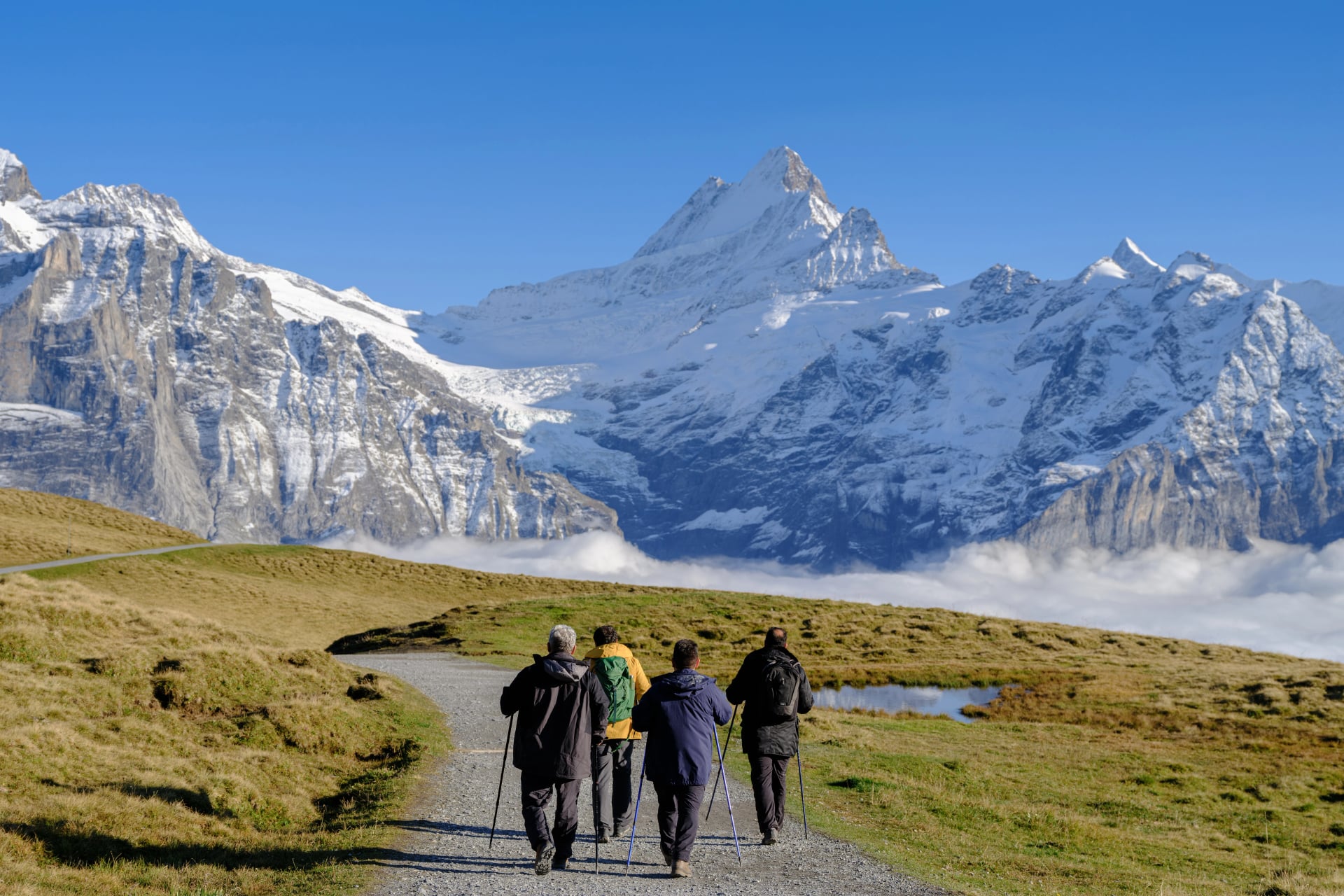
The lowest technical and fitness demand in the portfolio, and the most accessible for a spring departure. The trail follows the ridge above the Aletsch Glacier rather than crossing high passes, which means it clears of snow significantly earlier than most alpine routes. The Aletsch is the largest glacier in the Alps and the panorama from the ridge trail — with the ice stretching 23 km into the upper reaches of the Bernese Oberland — is one of the most striking views in Switzerland. A strong candidate for late May in most years.
2. Chur Terrace Hike
Chur, Switzerland's oldest city, sits at only 600 m in the Rhine Valley — significantly lower than any other base in the portfolio. The terrace trails above the city traverse south-facing slopes that receive strong spring sunshine and shed snow early. This makes the Chur Terrace Hike one of the most realistic April options in the programme. The combination of low altitude, cultural depth, and the distinctive landscape of the Graubünden foothills gives it a character quite different from the high-alpine tours.
3. Alpstein High Trail Highlights
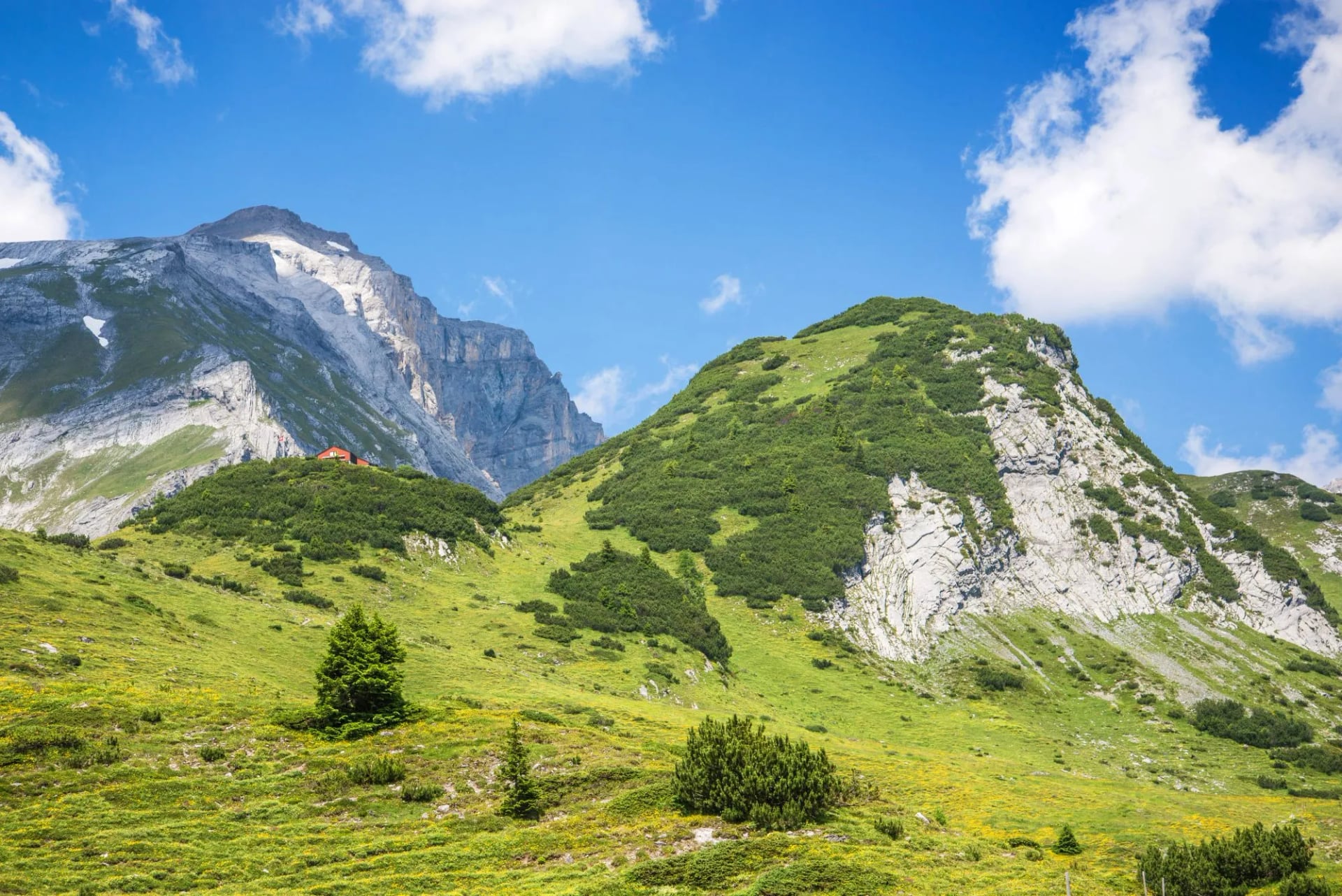
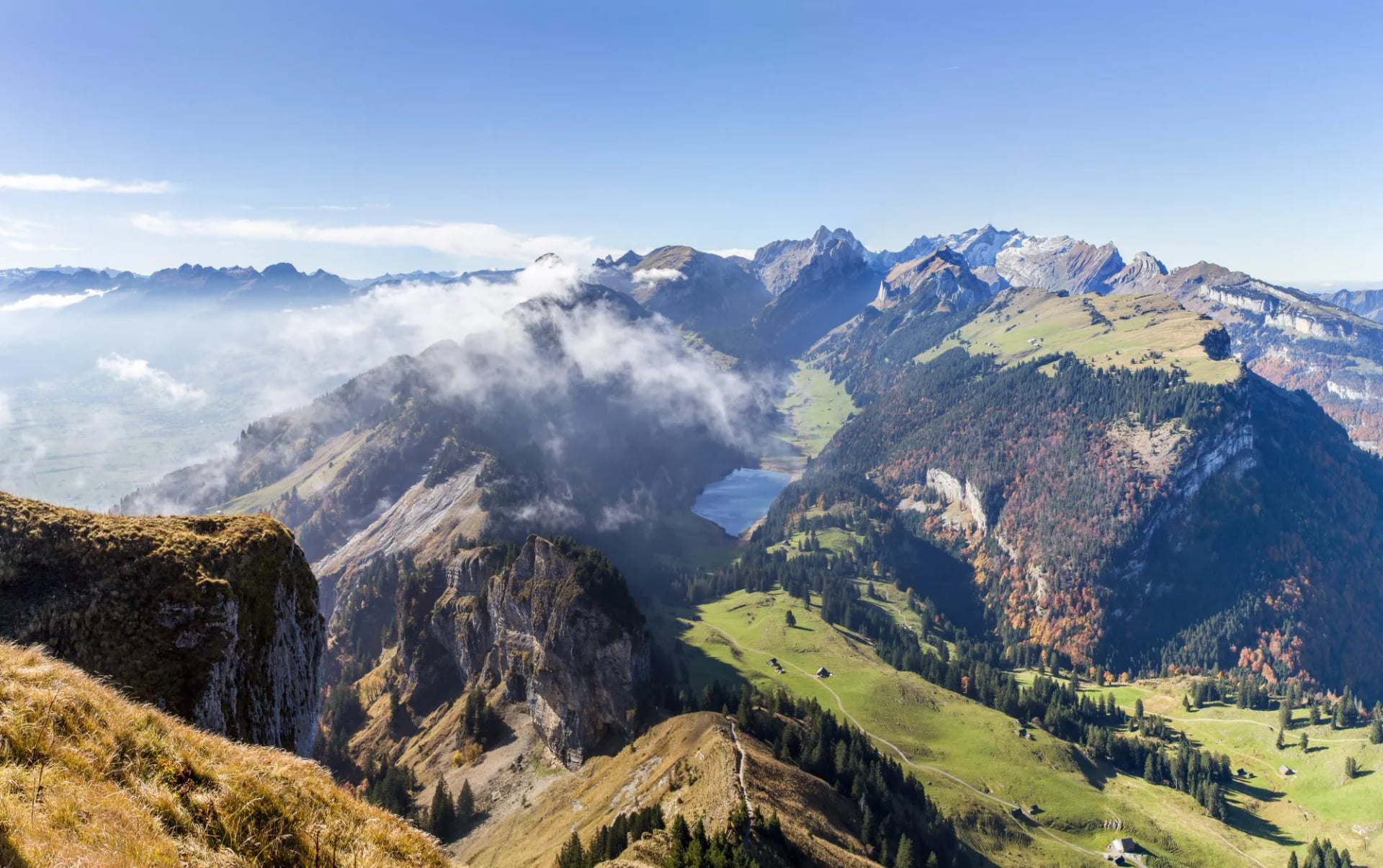
The Alpstein massif in Appenzell tops out at around 2,500 m — lower than the Valais or Bernese Oberland routes — and faces north-east, which affects its snowpack differently from the south-facing high passes. In a good year, the high trail highlights become viable from late May. The Alpstein is also one of the most culturally distinctive regions in Switzerland: the combination of rolling pre-alpine terrain, traditional Appenzell farmhouses, and the dramatic limestone ridgeline above makes for a hiking experience unlike anything else in the portfolio.
Set a consultation with our team of specialists that will gladly discuss the nearest availability of these and other tours with you!
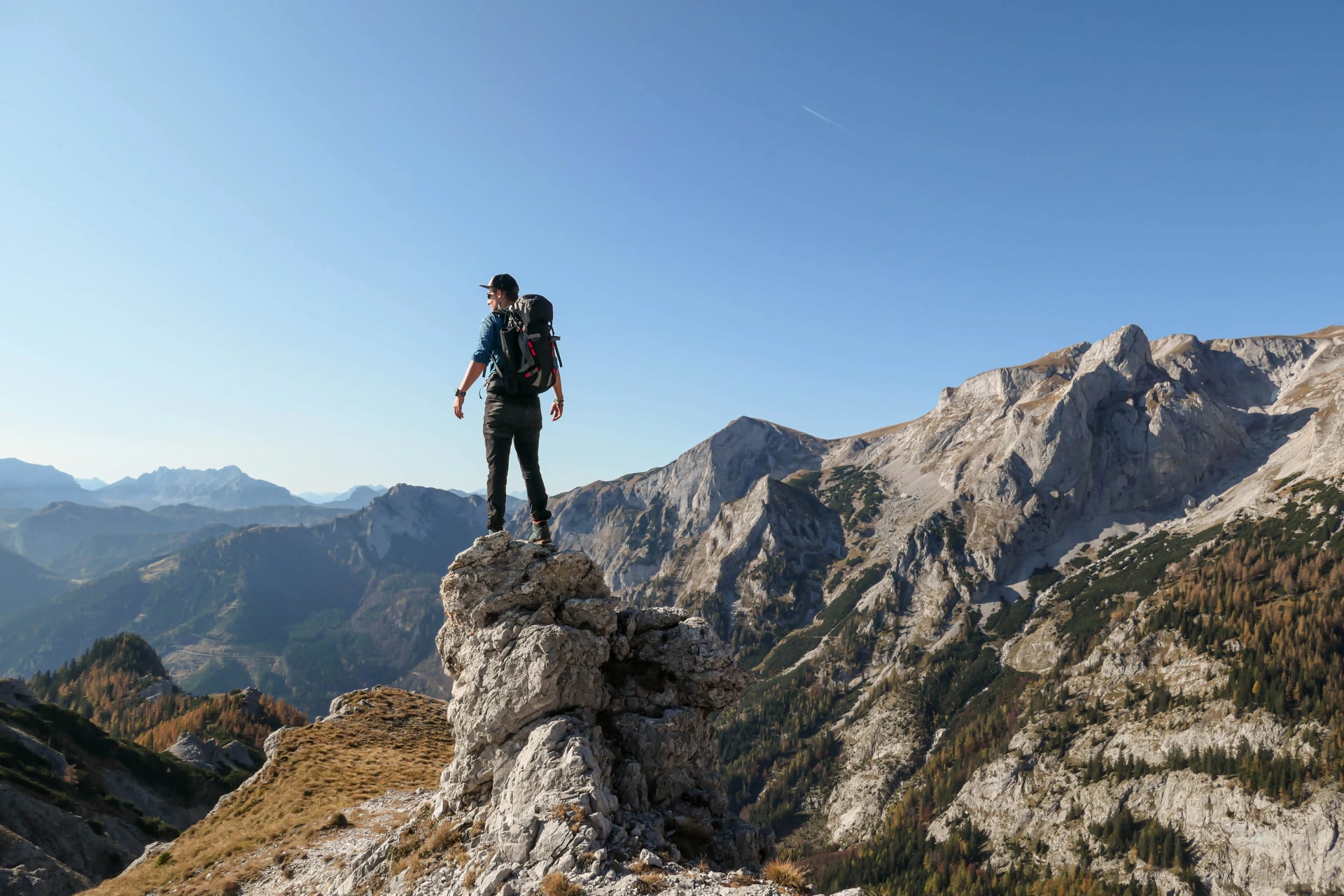
Spring Switzerland is Waiting for You!
Spring hiking in Switzerland is not a compromise. It is a specific choice that delivers specific things: the wildflower meadows at their peak, snowmelt waterfalls at full volume, mountain villages without the summer crowd, and the particular pleasure of watching a landscape wake up rather than simply being present at its busiest. The trade-off is real — fewer route options, more variable conditions, limited hut infrastructure — and it is worth making with clear eyes. Come prepared, stay flexible on route and altitude, and spring will give you a version of Switzerland that most visitors never see.
Browse our spring-suitable tours or get in touch to discuss the right timing and itinerary for your trip. We are happy to advise on current conditions and opening dates for any departure you are considering.

About this author
Jon is our travel advisor and an outdoor adventurer who is happiest on the move. While mountain biking is his personal passion, he thrives on crafting hiking adventures for others — planning routes and adding the little touches that turn a trip into a core memory.