A Complete Packing Guide for Hiking in Switzerland in 2026
From base layers to hardshells and everything in between — a practical guide to dressing for Swiss mountain weather that changes every hour.

Anja
Published March 12, 2026
Edited March 16, 2026
6 min read
Don't want to read all this?
We've planned 2,000+ hiking trips. Send your dates, fitness and group size — we'll map the route and book every night.



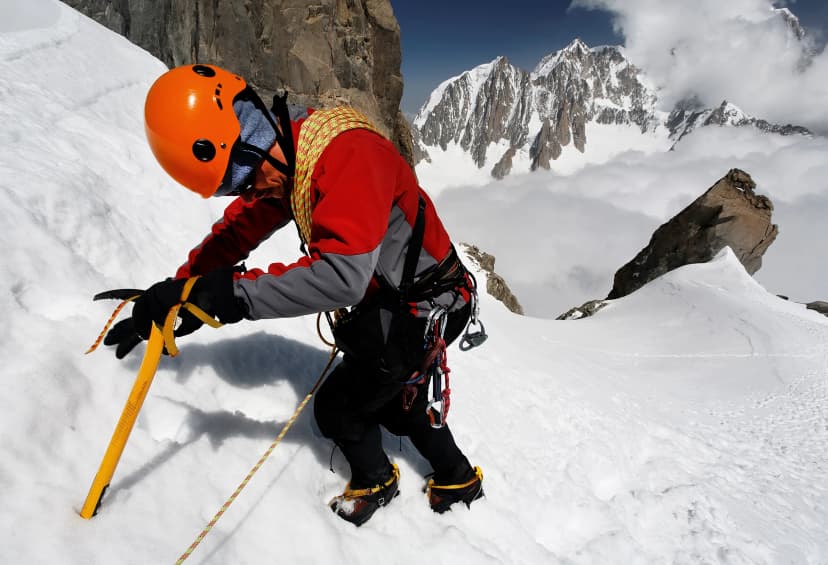
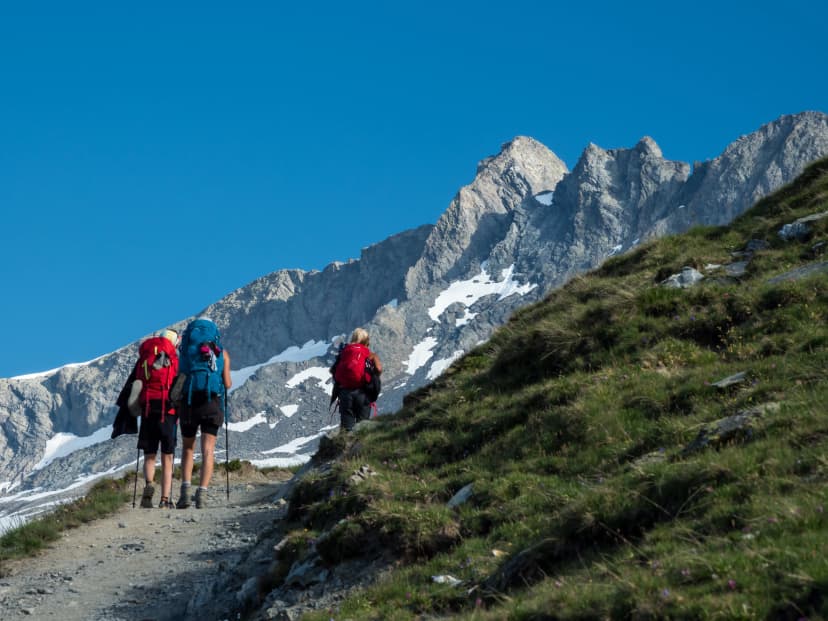
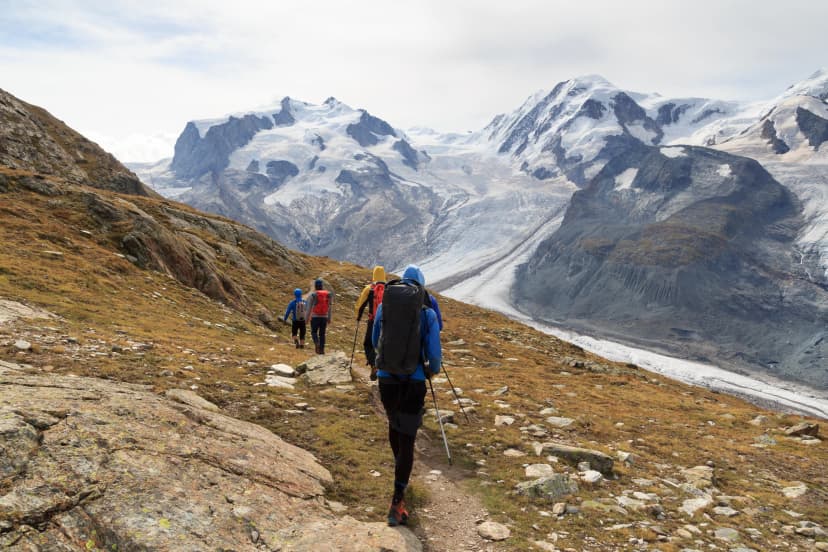
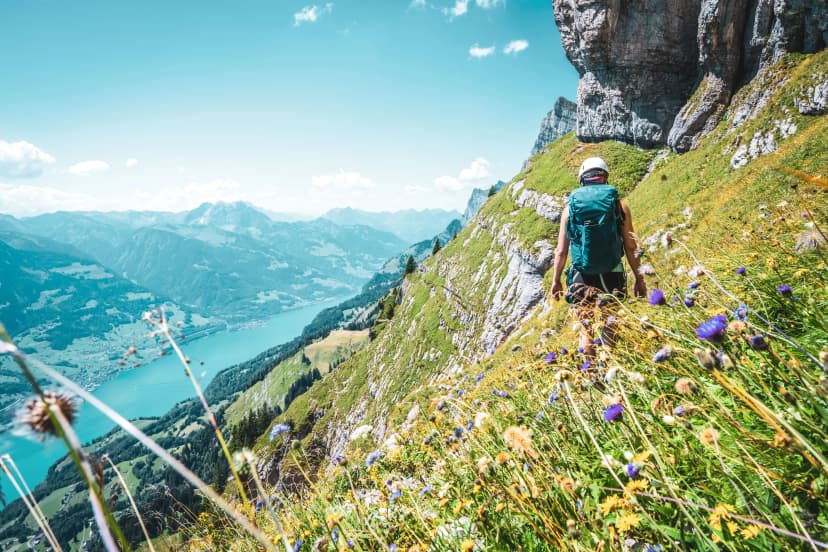
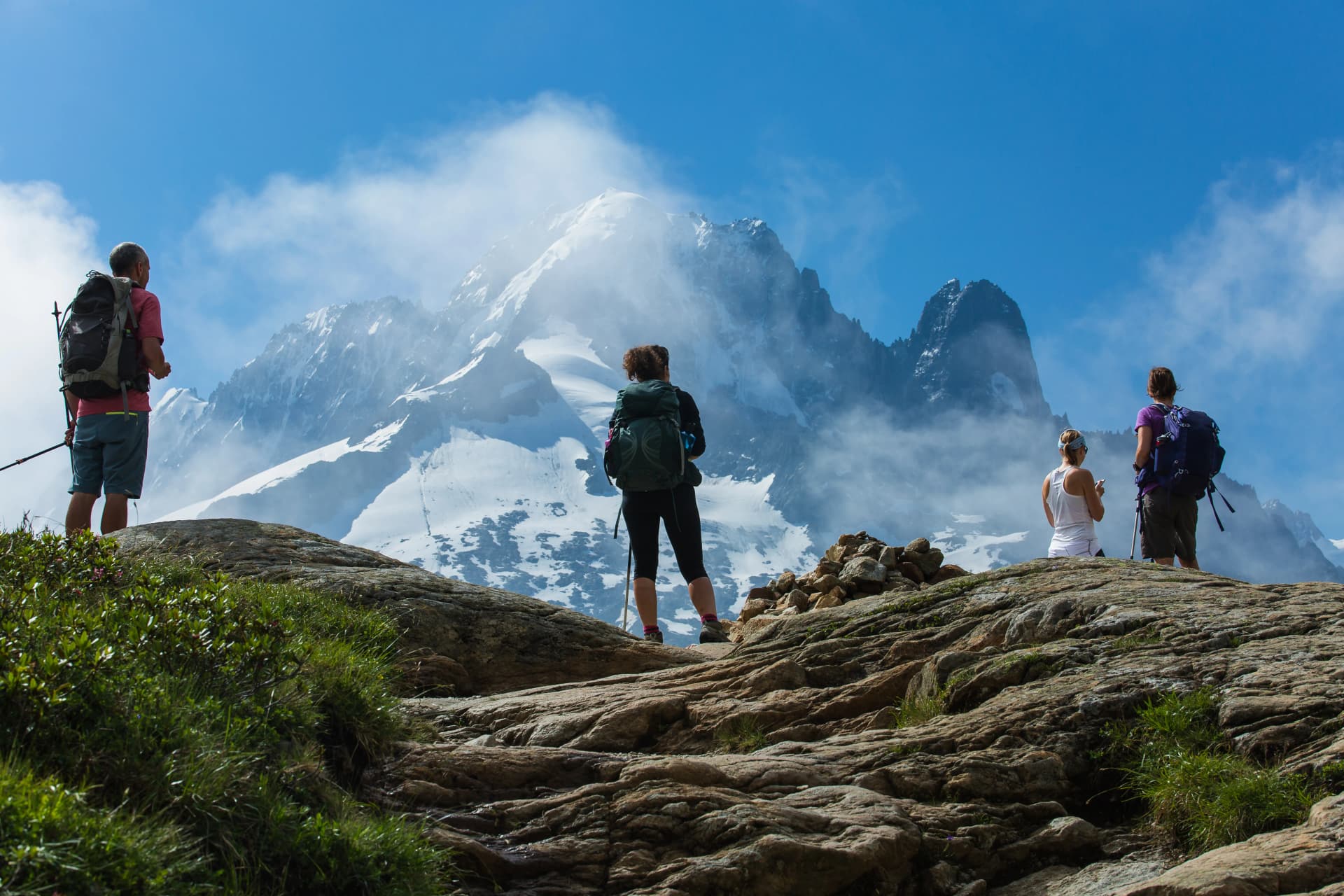
You leave a sunny valley at 18°C in shorts and a T-shirt. Three hours later you're on a pass at 2,800 m in wind, cloud, and 3°C. Your hands are numb, rain is starting, and the couple ahead of you in cotton hoodies are turning back. You pull on your hardshell, add a fleece, and keep walking.
That scenario plays out every day across the Swiss Alps. The difference between a great day and a miserable one is almost always what you're wearing, not how fit you are or how well-marked the trail is. Switzerland's mountains demand a layering system — not one magic jacket, but a set of thin, versatile pieces you add and remove as conditions change hour by hour.
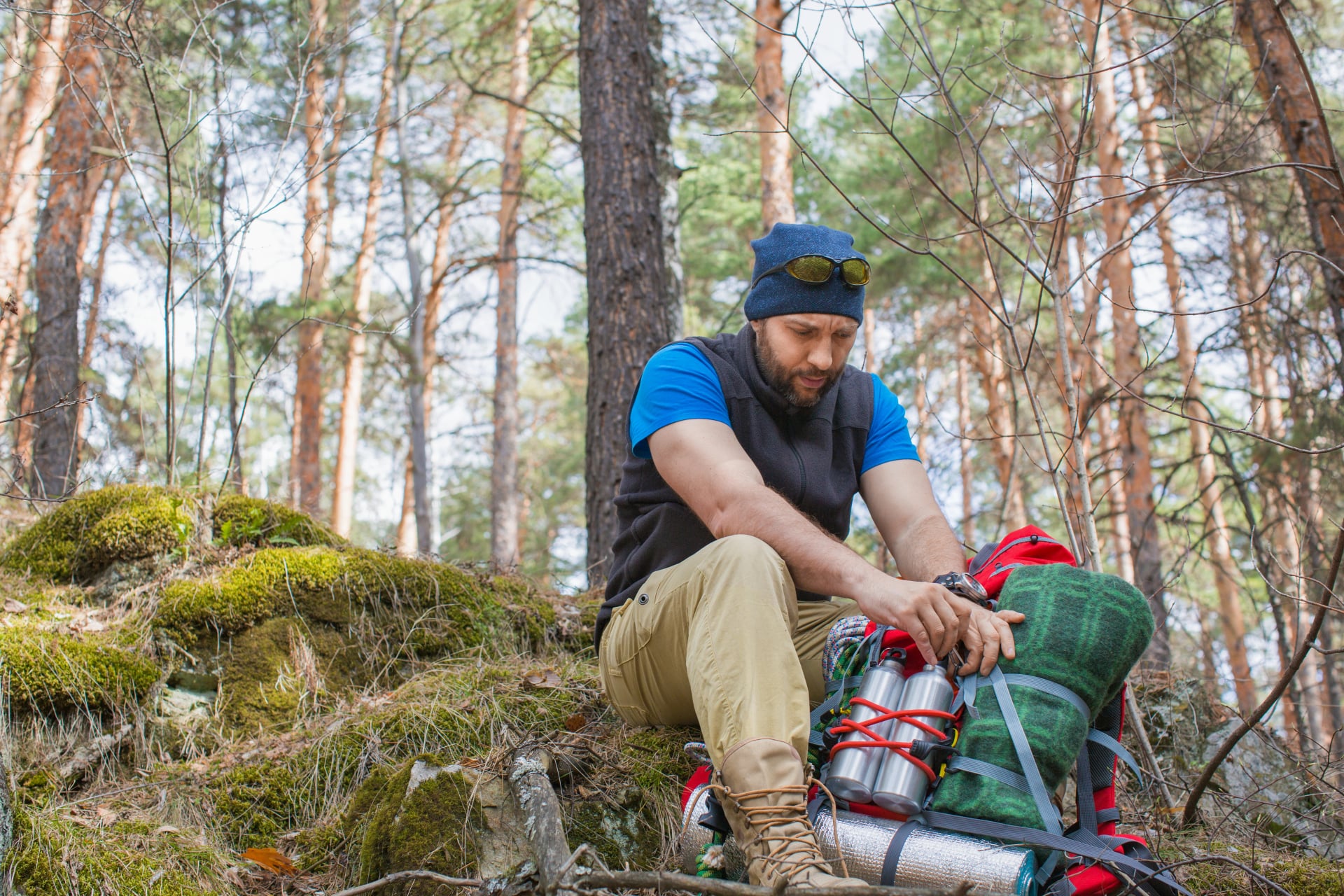
This guide covers what to wear and what to pack for day hikes and multi-day hut-to-hut treks across all major Swiss hiking regions, from June through October, as well as:
Temperature swings of 15–20°C between valley floor and pass summit on the same day
Rain possible any afternoon above 2,000 m from June through September
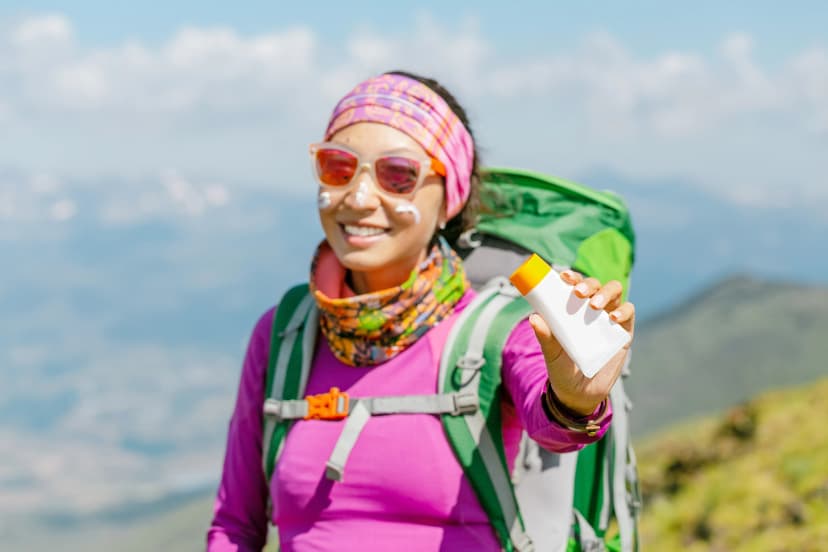
UV radiation 25–35% stronger at typical pass altitudes than at sea level
No cotton — the one universal rule for Alpine hiking clothing
A 4-layer system covers every condition from July heat to October frost
The Layering System — Dress for 15–20°C Swings
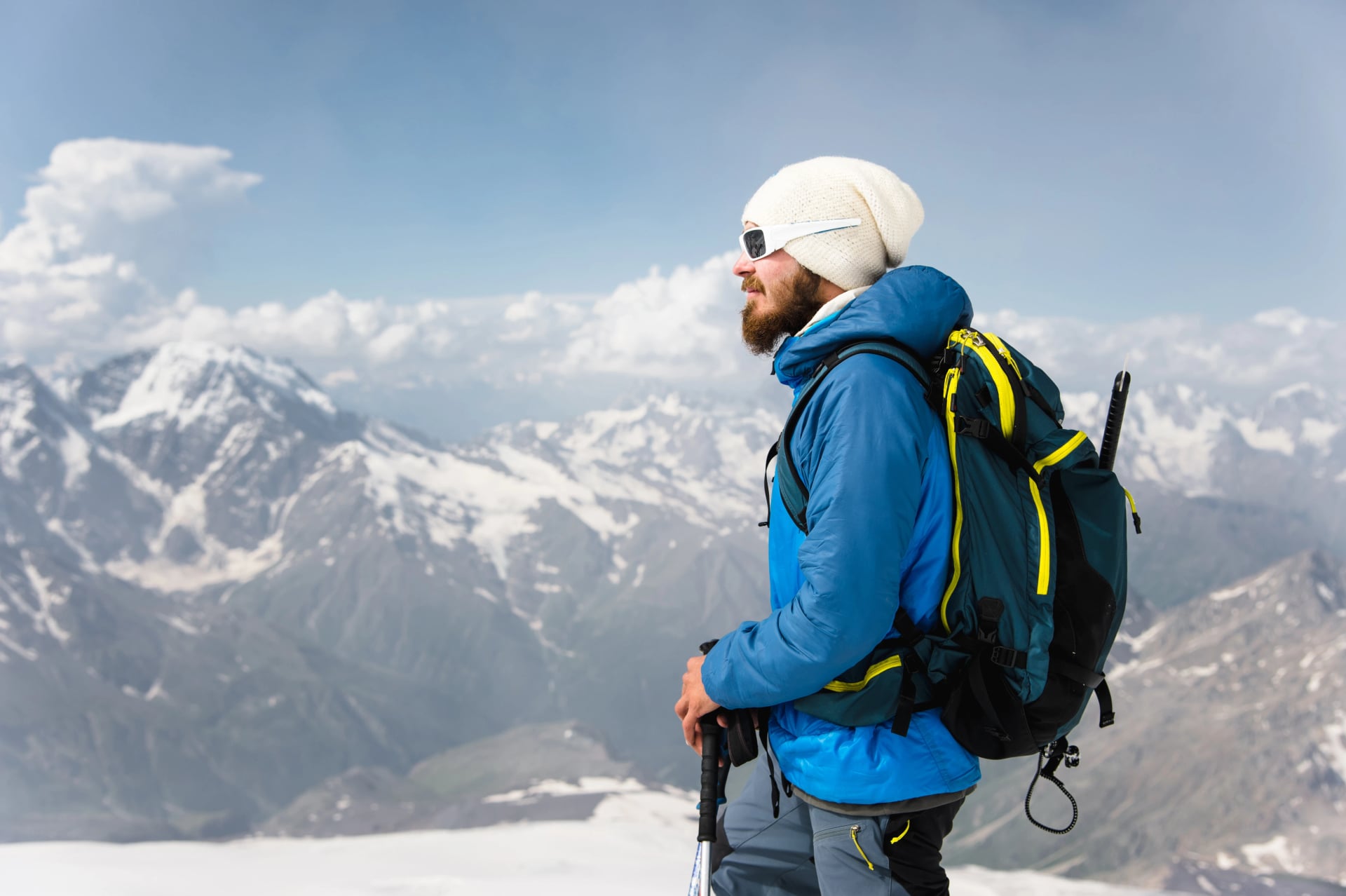
The layering system is the foundation of every Swiss hiking wardrobe. Four thin layers that work together will keep you comfortable from a warm valley floor to a freezing, wind-blasted pass — something no single garment can do. The principle is simple: add layers when it gets cold, remove them when it warms up, and never be more than 30 seconds from adjusting.
How the system works in practice: morning start in base + mid + shell; strip to base layer by mid-morning as you warm up; add insulation at the pass; back to base + mid for the descent. You'll adjust constantly, and that's exactly the point. For month-by-month conditions across the hiking season, see our weather guide for hiking in Switzerland.
Lower Body, Footwear & Accessories
1. Lower Body
Lightweight hiking trousers are the default for most conditions — wind-resistant, quick-drying, and enough coverage for brushy sections and cold mornings. Shorts work well for warm valley stages and lower-altitude day hikes, and many hikers carry both. Zip-off trousers are a reasonable compromise if you prefer a single pair. No jeans and no cotton leggings — both hold moisture and restrict movement on steep terrain.
2. Hiking Boots
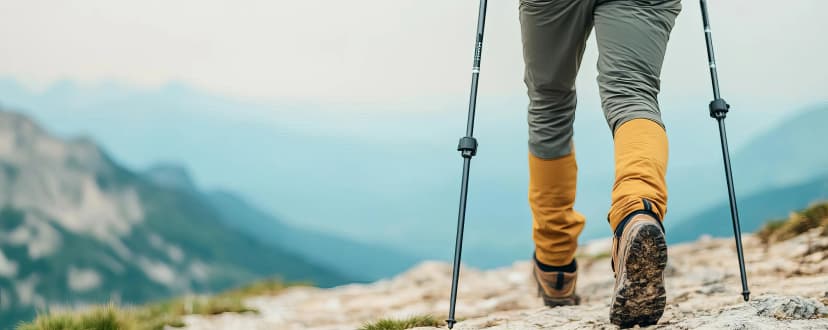
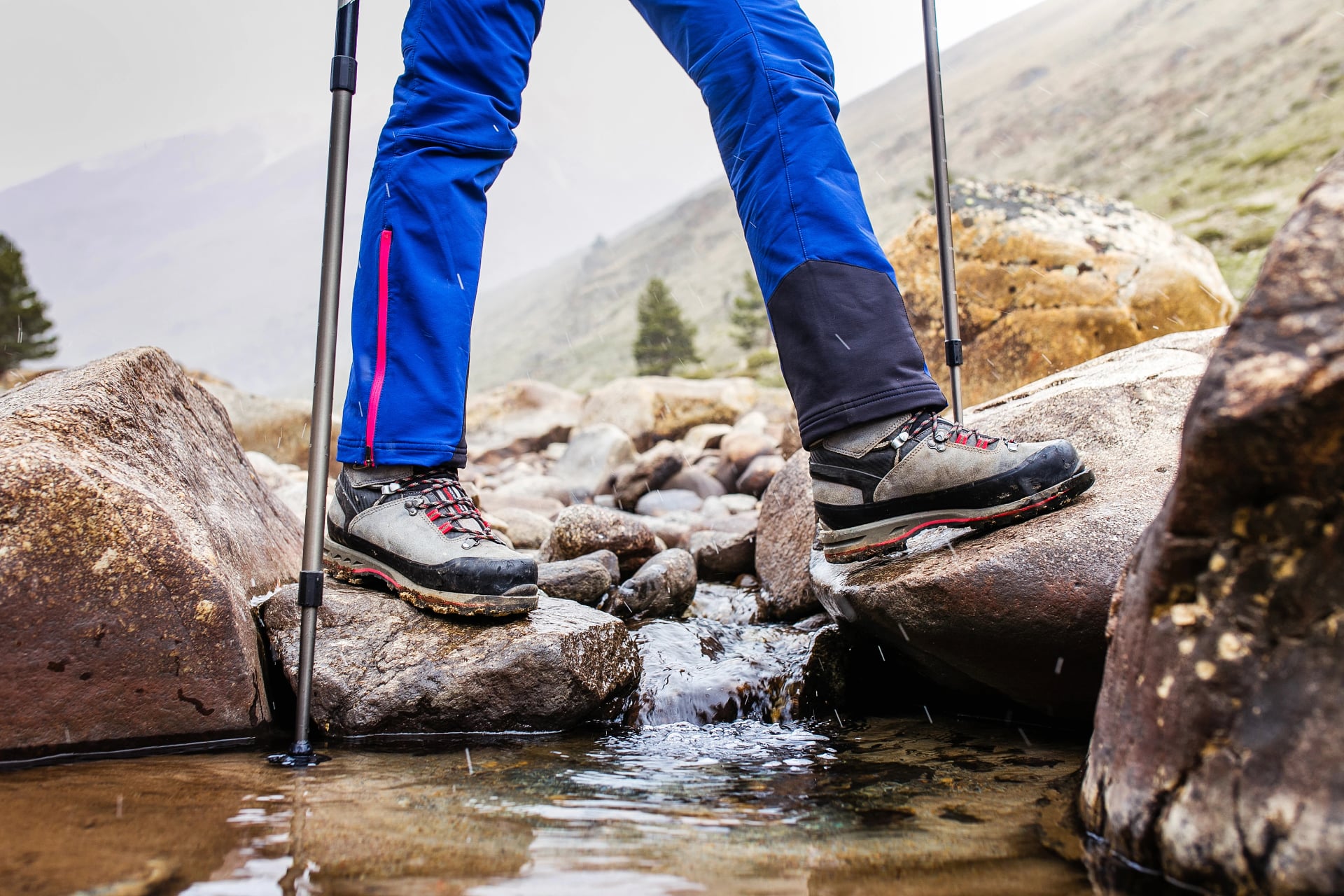
The boot-vs-trail-runner debate has no universal answer, but Swiss terrain tips the scales toward ankle support. Loose scree, wet rock slabs, root-laced forest trails, and steep descents of 800–1,200 m are standard across most regions. Stiff-soled boots with ankle support outperform trail runners on this terrain, particularly on long descents where ankle rolls are common. Waterproof membranes are strongly recommended — afternoon rain is frequent above 2,000 m throughout the hiking season.
The break-in rule is absolute: wear new boots on at least 3–4 full-day hikes before departure. Blisters appearing on Day 2 of a trek are almost always a preparation failure, not a gear problem. Trail runners are acceptable for lower-altitude valley hikes in dry conditions, but for high passes and multi-day routes, boots are the stronger choice.
3. Accessories
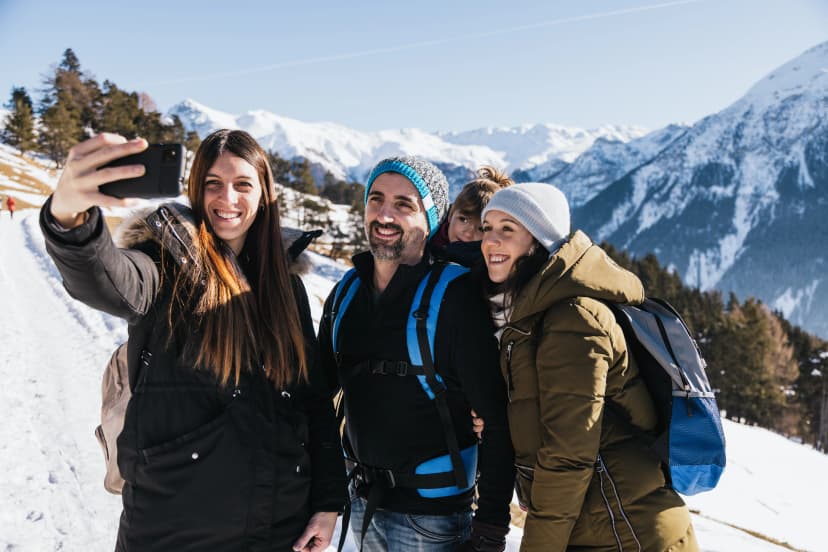
Sun hat and warm hat — you'll use both, often on the same day. Mornings above 2,500 m are cold even in August, and midday sun at altitude is fierce. A buff or neck gaiter is the single most versatile accessory: sun protection, wind shield, dust filter, and warmth layer in one piece of fabric weighing almost nothing.
Lightweight gloves for early mornings and exposed ridgelines — not heavy winter gloves, just a thin pair that takes the edge off. 3–4 pairs of merino hiking socks for multi-day treks, rotated daily. Good socks matter more than most hikers realise — merino manages moisture and reduces blister risk far better than synthetic alternatives. One lightweight set of evening clothes for huts and hotels rounds out the list.
Core Gear
These five items go on every hike — whether it's a single day trail or a two-week traverse. The pack size and whether you need a sleeping liner depend on your trip format, but the fundamentals don't change.
Essentials and Safety
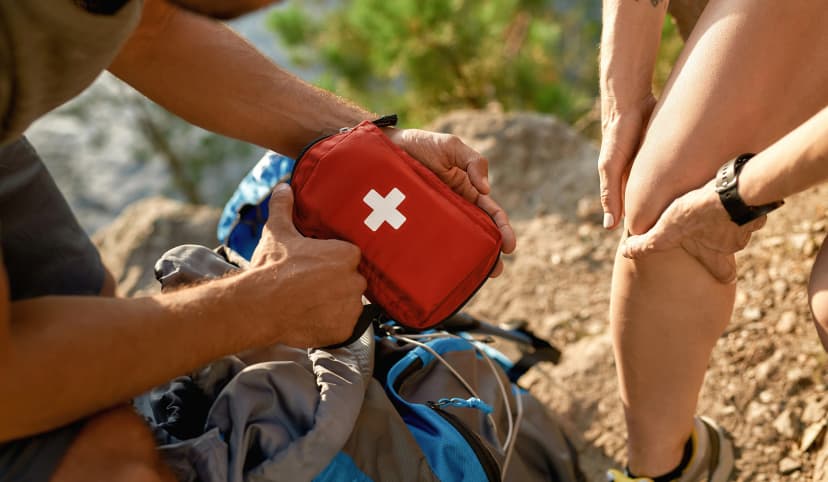
The items that don't make for exciting packing but matter most when something goes wrong — or when altitude and UV do what they do quietly. None of these weigh much; all of them earn their place.
What not to pack: cotton anything, an oversized backpack, full-size toiletries, heavy books, excessive electronics. Every unnecessary gram compounds over a full day of climbing. Pack light, pack smart, and be honest about what you'll actually use above the treeline.
What Changes by Season
The core layering system and gear list stays the same year-round. What changes is how much warmth you add and how seriously you take snow on high passes.
Day Hike vs Multi-Day — What Changes
Day hikes need a smaller pack (20–25 litres), no sleeping liner, and no hut evening clothes — the overall load is significantly lighter. But the layering system, safety essentials, and weather awareness are exactly the same. The mountain doesn't care whether you're sleeping up there or heading back to the valley.
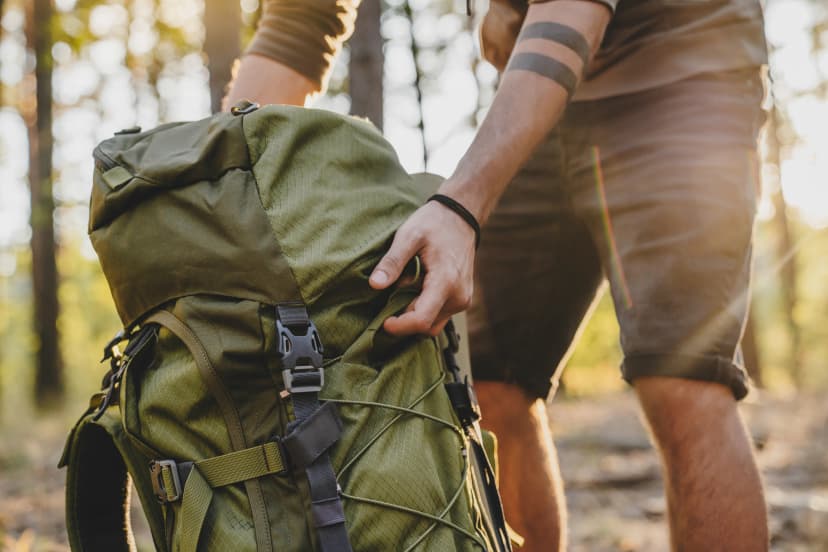
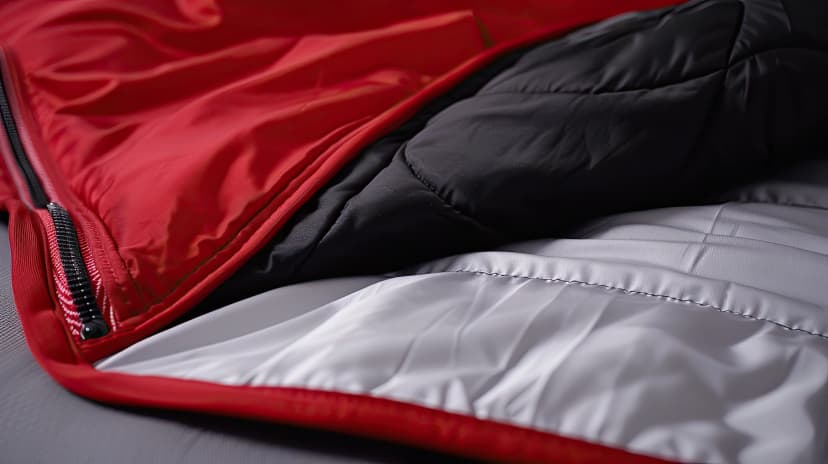
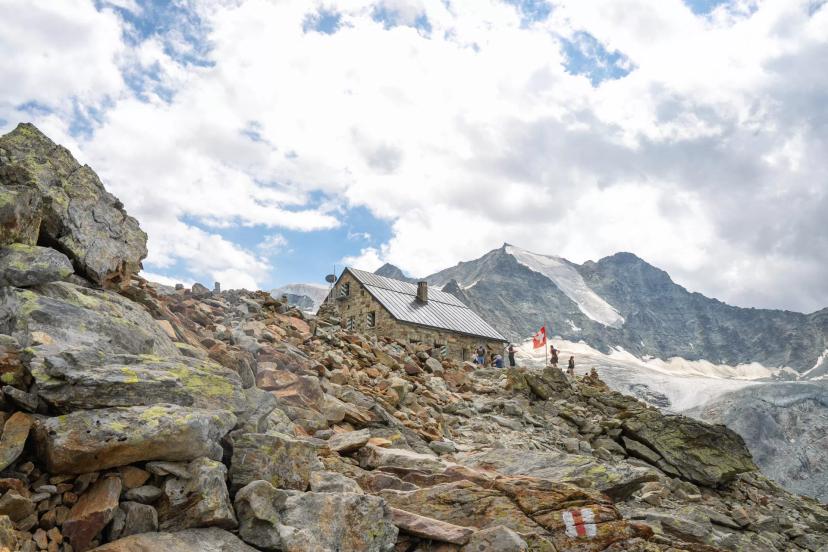
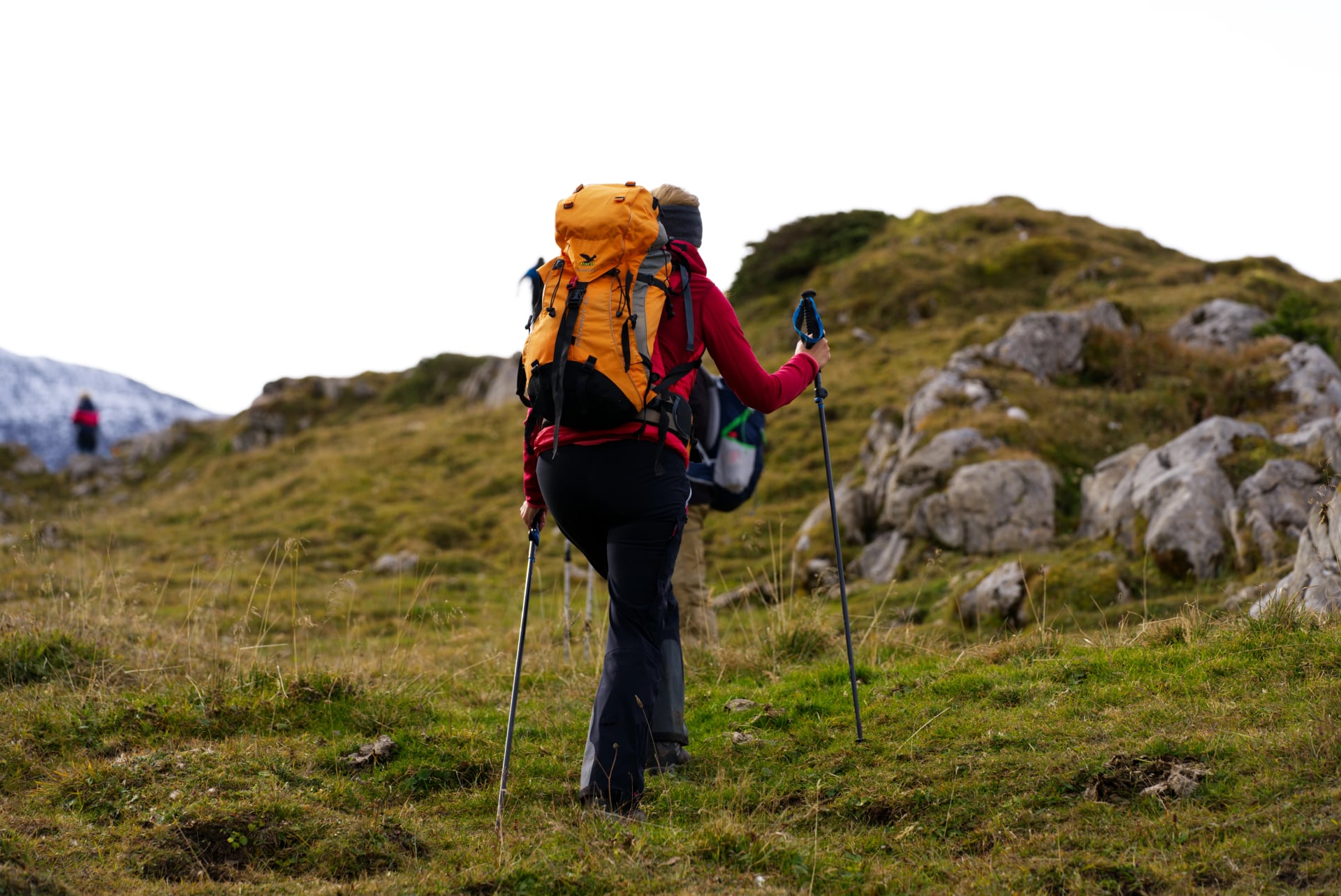
Multi-day hut-to-hut treks add a few items: sleeping liner (mandatory at SAC huts), 1 set of lightweight evening clothes, extra socks, phone charger, and a slightly larger pack (30–35 litres). On a self-guided tour with us, luggage transfers are available as an optional extra — meaning you hike with just a daypack while your main bag moves ahead to the next stop. That changes the packing equation entirely: no tent, no stove, no heavy pack — just the daypack contents listed above and whatever you want waiting at the other end.
For more on what accommodation to expect at each stop, see our guide to Swiss mountain huts and hotels.
Ready to Start Planning?
Whether you're packing for a weekend in the Alpstein or two weeks on the Haute Route, the fundamentals are the same: layer well, protect against sun and rain, carry the right safety essentials, and leave everything else behind.
Browse our Swiss hiking tours to find a route that fits your experience level and timeline. Have questions about gear, timing, or what to expect? Send us an inquiry — we'll help you get the packing, and everything else, right.

About this author
Anja is our lead travel advisor and a lifelong hiker who has planned countless adventures across Europe. She prefers sunsets to sunrises — unless coffee is involved — and, ever since her first rock-climbing course, joins friends on climbing trips whenever she can.