Hiking in Switzerland in Winter: Everything You Need to Know
Switzerland winter hiking explained: lower-altitude walks, designated snowshoe trails, what to pack, and how December–February conditions actually differ

Anja
Published February 25, 2026
Edited March 25, 2026
6 min read
The Quick Honest Answer
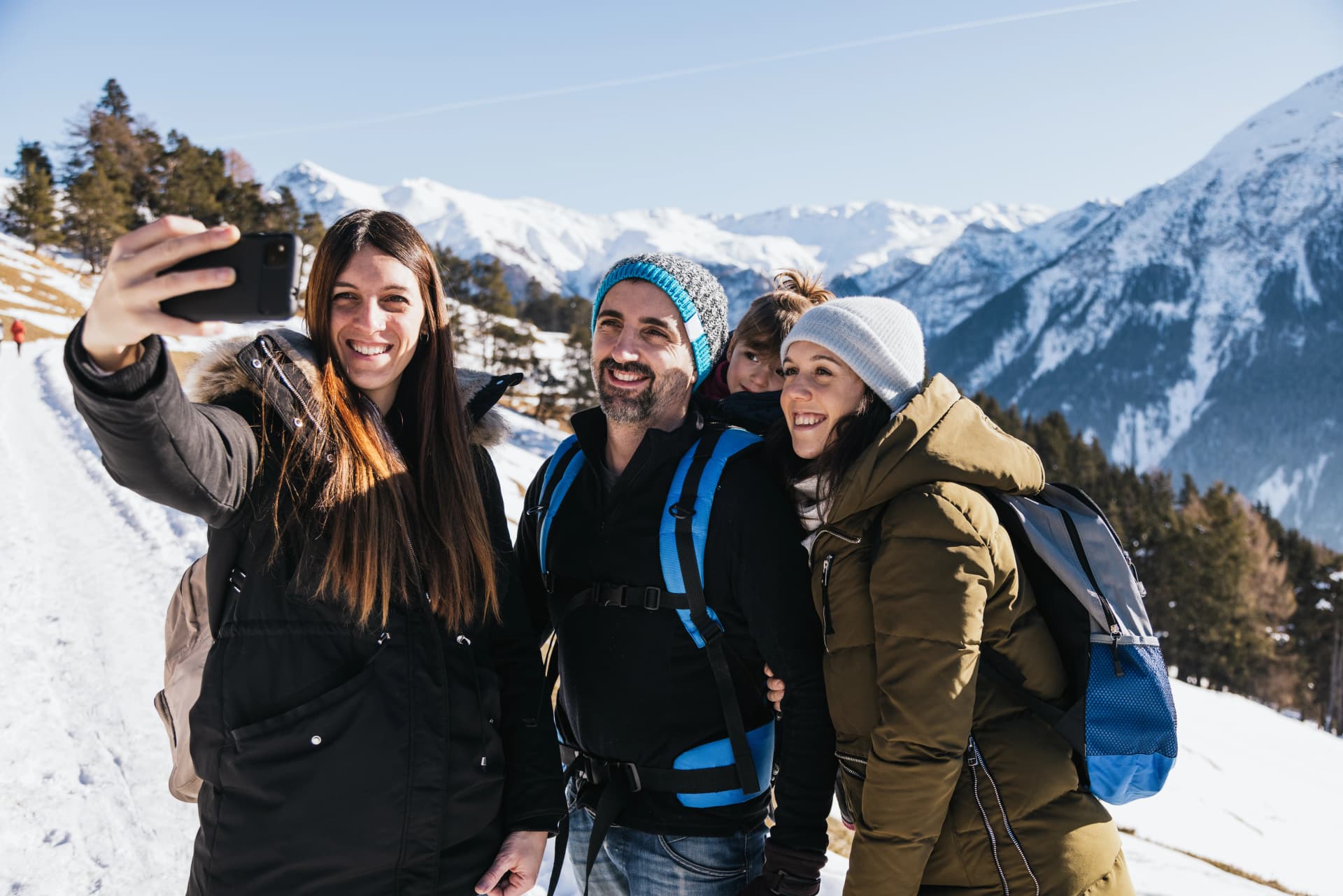
Can you hike in Switzerland in winter? Yes — but the honest answer comes with important context. The high-alpine routes that define Switzerland's summer hiking reputation are firmly closed. The Walker's Haute Route, the Via Alpina, the great pass crossings of the Bernese Oberland — none of these are viable in December, January, or February.
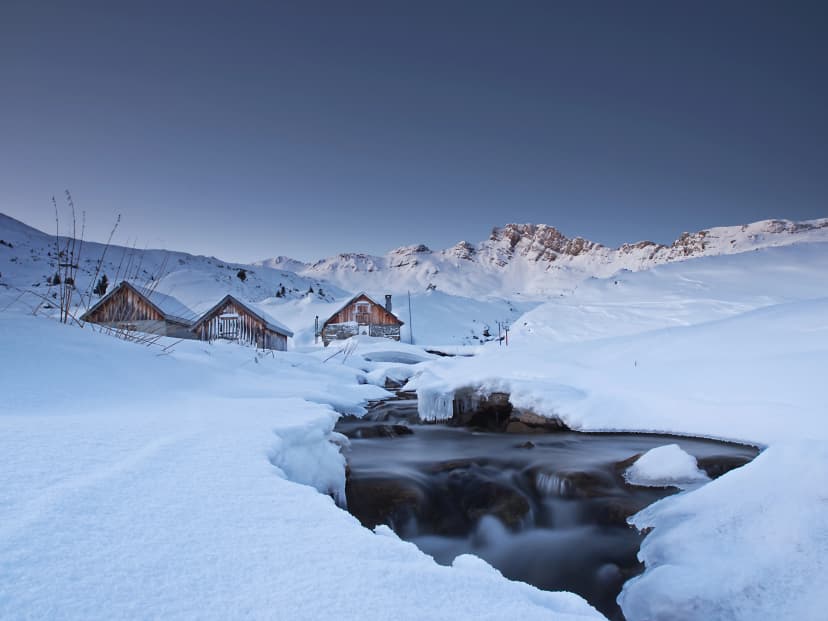
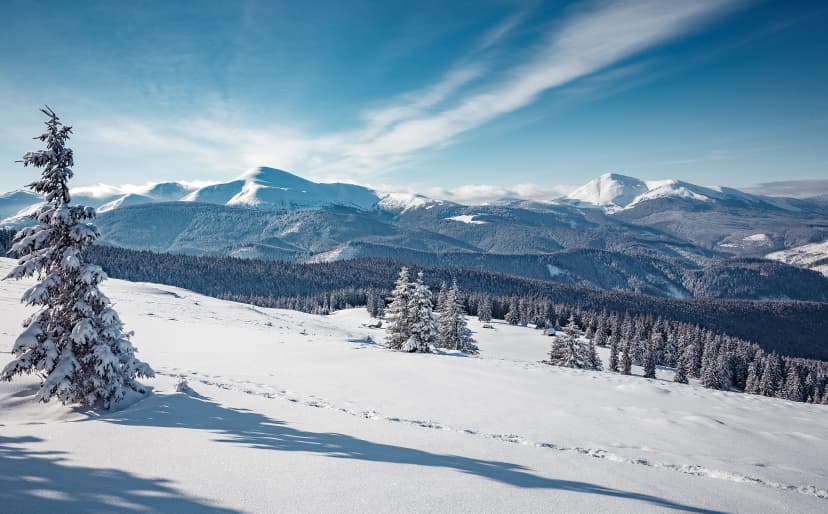
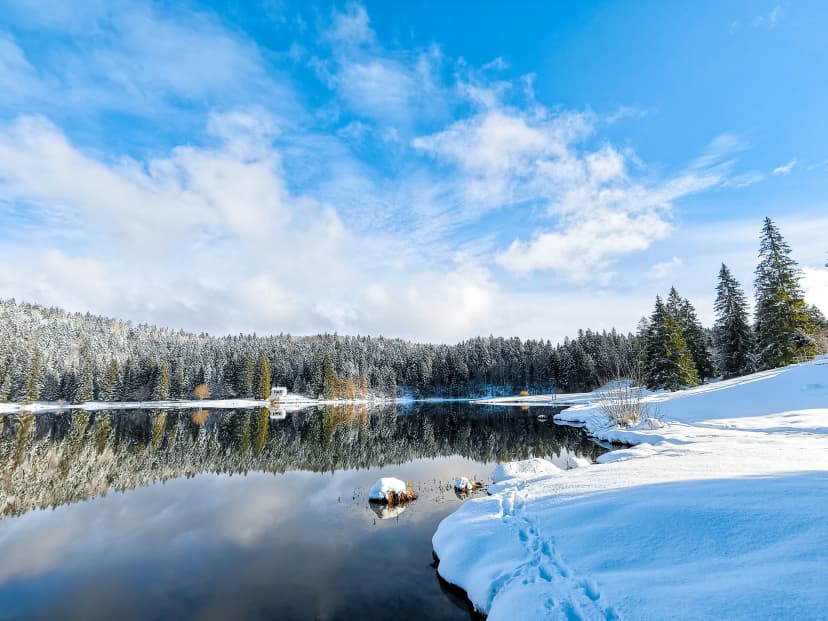
What remains is a genuinely different category of hiking: lower-altitude valley walks, lake circuits, gorge trails, and a well-maintained network of designated snowshoe routes that offer something summer simply cannot.
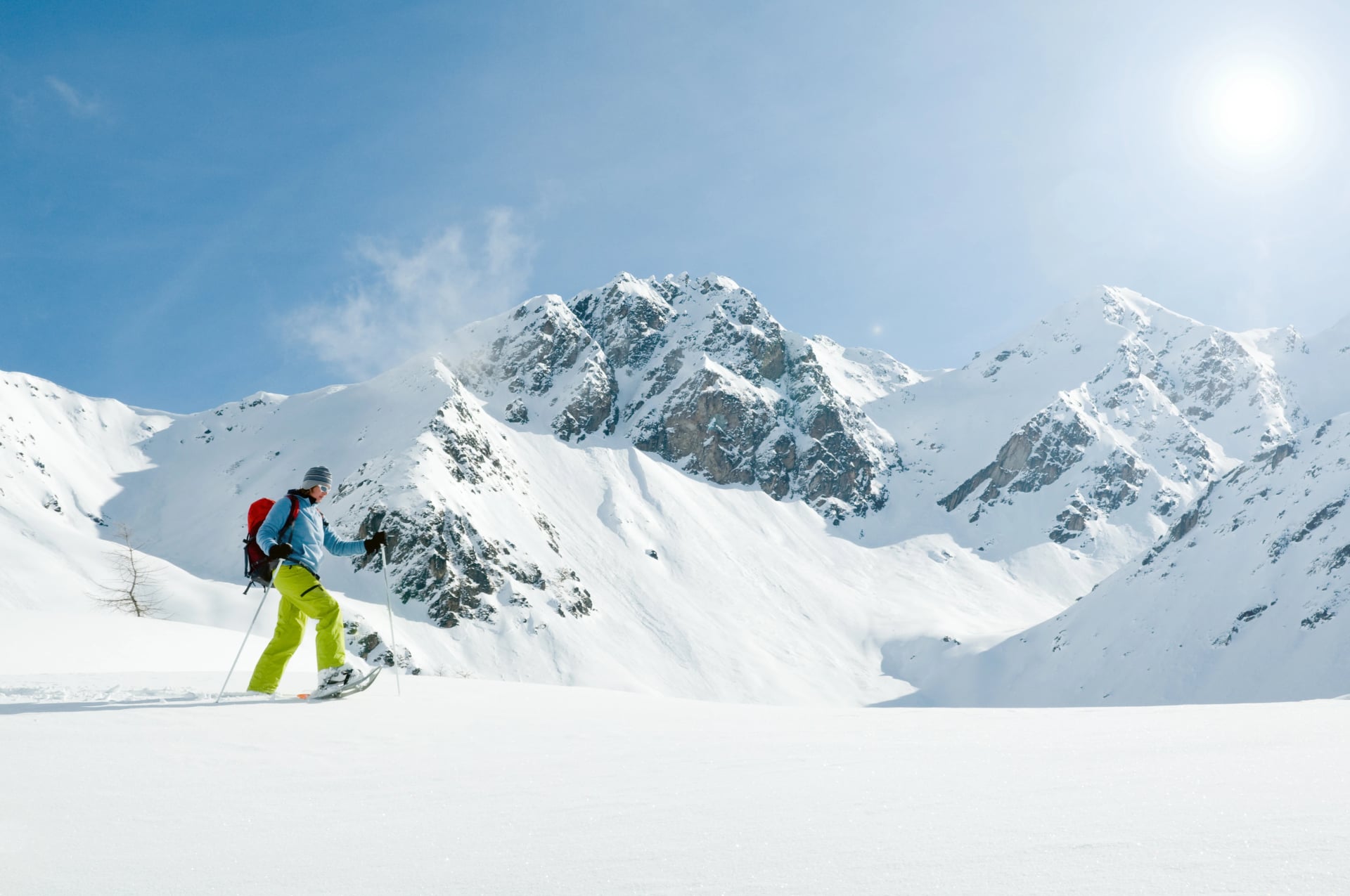
Here is what you are actually working with:
What's open: Low-altitude valley walks (below ~800 m), gorge trails, lake circuits, designated snowshoe routes, some panoramic ridge paths in good conditions
What's closed: All high-altitude alpine passes; most mountain huts (emergency winter rooms only, unmanned); any trail above approximately 1,500–1,800 m in typical conditions
Daylight hours: December and January average 8.5 hours; February rises to around 10 hours — plan stages accordingly
Typical temperatures: 0–5°C in valleys; well below zero above 1,000 m; wind chill significant on exposed paths
Trail marking: Many lower trails are cleared and marked for winter walking; higher trails become unmarked and potentially dangerous under snow cover
Snowshoe trails: A formally designated and well-maintained network exists across most Swiss cantons
Winter hiking in Switzerland is real, rewarding, and completely different from the summer experience. The sections below explain how to approach it by month, where to go, and what to know before you set out.
How December, January, and February Differ
Not all winter months are equal on Swiss trails. Each has its own character, conditions, and rewards:
5 Things That Change in Winter
These are not optional considerations — they are the difference between a good day and a dangerous one.
1. Trail conditions change without warning. A path that was clear at 8am can be icy by 10am as shade clears and meltwater refreezes. Always check Swiss trail condition reports on SchweizMobil before every outing, and treat any conditions report older than 24 hours with caution.
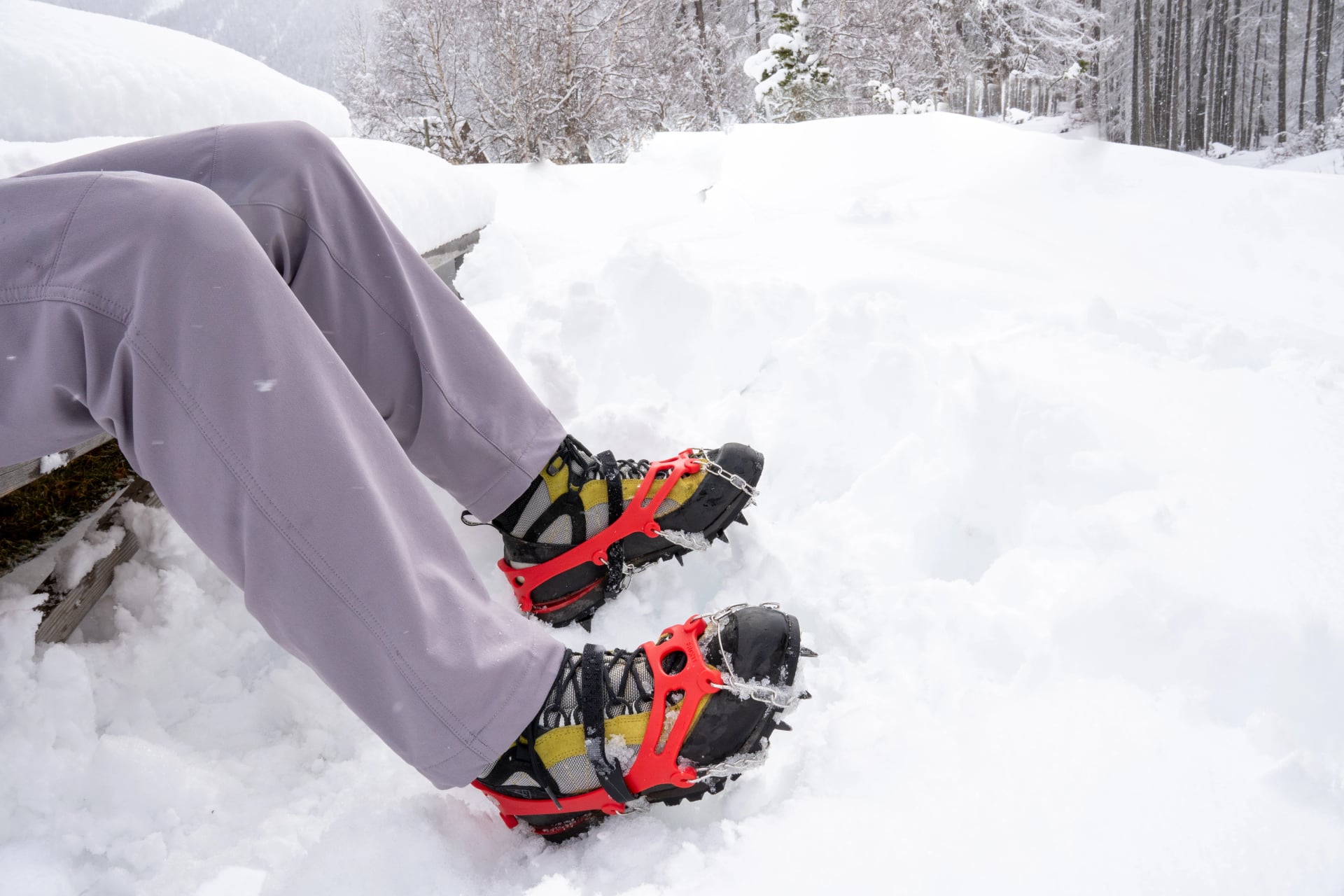
2. Microspikes or snowshoes are non-negotiable above valley level. Poles alone are not sufficient on icy compacted snow. The investment in a pair of microspikes — around CHF 50–80 — is small. The difference between wearing them and not wearing them on a refrozen path above a valley is significant. Snowshoes are necessary for anything off the main cleared trails.
3. Avalanche awareness matters the moment you leave marked trails. You do not need to be planning a mountaineering route to get into trouble. Any untracked terrain above 30 degrees can carry avalanche risk after snowfall. Stick strictly to designated winter walking and snowshoe routes, and check the daily avalanche bulletin published by the SLF — WSL Institute for Snow and Avalanche Research before heading out.
4. Sunset timing shapes your entire day. In December and January you are working with 8–9 hours of usable light at most. Shorter stages and early starts are not suggestions — they are safety-critical. Getting caught on an exposed path after dark in winter is a different situation entirely from a late summer evening descent.
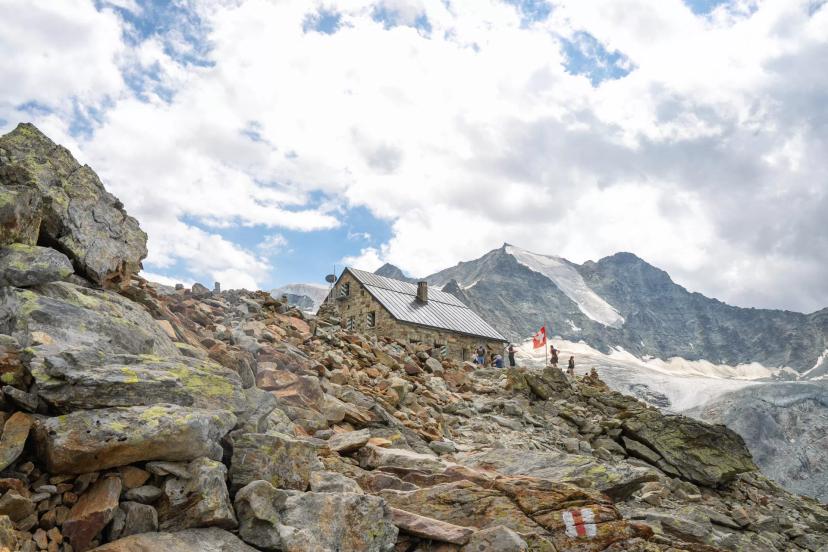
5. Hut culture disappears. The social mountain hut experience that defines summer hiking in Switzerland — the Älplermagronen, the half-board beds, the communal tables — is largely gone in winter. Most huts operate emergency winter rooms only: unmanned, unheated, and stocked for survival rather than comfort. Plan all refreshment and warmth stops around valley restaurants and cable car stations, and carry your own food and hot drinks for anything more than a short outing.
What to Pack That's Different
This is not a full packing list — it is the winter-specific additions that a summer Swiss hiker would be most likely to miss:
Microspikes — mandatory above approximately 800 m in January and February; carry even in December
Snowshoes — required for designated snowshoe routes; available to rent at most major winter hiking destinations
Hand warmers and an extra insulation layer — rest stops cool you down fast; a static rest of five minutes at altitude in January feels nothing like the same rest in July
Headlamp regardless of planned finish time — conditions, pace, and route changes happen; never leave without one in winter
Sun protection — counterintuitive but essential; UV reflection off snow at altitude is severe, and winter sunburn is a genuine risk on clear days
Waterproof gaiters — post-holing through soft snow in trail shoes turns what should be an enjoyable morning into a wet, cold, demoralising slog within the first hour
Where to Actually Hike — Three Reliable Winter Areas
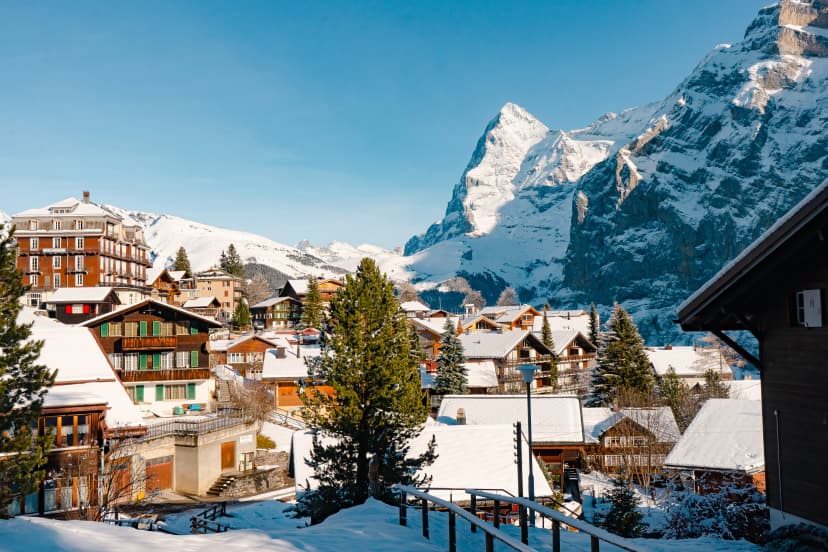
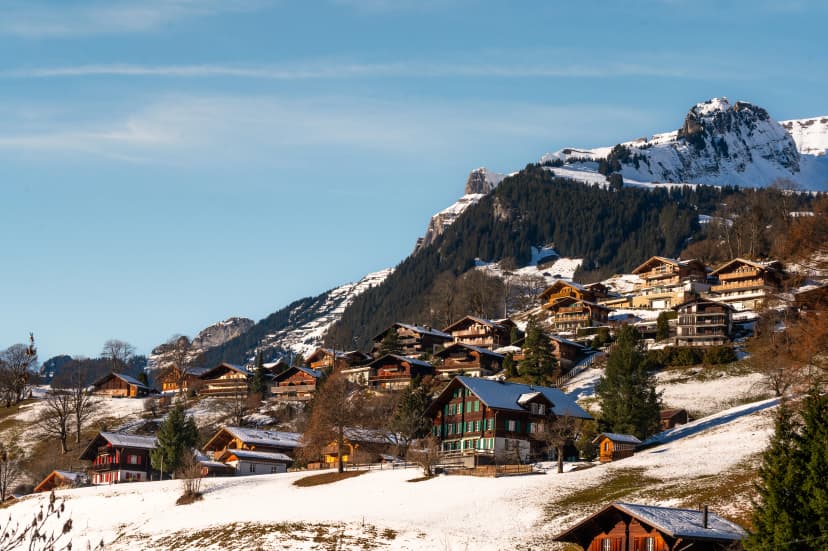
Switzerland has excellent winter walking infrastructure, but it is not evenly distributed. These three areas consistently deliver in the December–February window. Knowing which towns to base yourself in helps — our guide to the main hiking towns of Switzerland covers airports, rail connections, and the best regional bases.
A Note on Guided Tours
We do not offer guided or self-guided tours in winter. The high-alpine routes that form the basis of our tour programme — the Walker's Haute Route, the Via Alpina, and our other multi-day itineraries — require trail and hut conditions that simply do not exist between December and the end of April at the earliest. Winter hiking in Switzerland rewards those who plan carefully and independently; it is not suited to the structured multi-day format our tours provide.
If you are interested in hiking in Switzerland in spring, summer, or autumn, when conditions open up the full trail network, we would be very happy to help you plan.
The Reality Check
Winter hiking in Switzerland is not a consolation prize for missing the summer season. It is its own experience, with its own demands, its own aesthetic, and its own rewards — rewards that are entirely unavailable in the crowded months of July and August. Come prepared, stay on marked trails, check conditions daily, and respect the shortened daylight. Do those things, and the Swiss mountains in December, January, or February will give you something to remember for a long time.
Our tour options cover the major Swiss alpine routes from late June through October, and we can also provide personalised advice for any itinerary outside our standard programme. Get in touch and we will find the right trip for your timing and experience level.